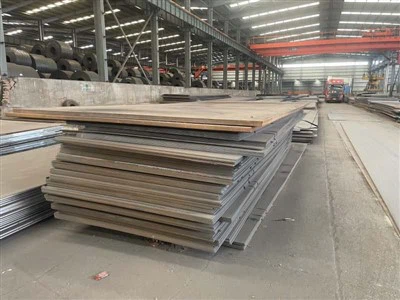
As a supplier of steel plates for shipbuilding, I've witnessed firsthand the complexity and significance of cost factors in this industry. Shipbuilding is a capital - intensive sector, and steel plates are a fundamental component. Understanding the cost factors is crucial for both shipbuilders and suppliers like us to make informed decisions.
Raw Material Costs
The cost of raw materials is the most basic and significant factor. The primary raw material for steel plates is iron ore. The price of iron ore fluctuates greatly in the global market due to various factors such as supply and demand, geopolitical situations, and mining policies. For instance, when there are disruptions in major iron - ore producing regions, the supply tightens, and prices soar.
In addition to iron ore, other alloying elements are also required to produce high - quality shipbuilding steel plates. Elements like manganese, nickel, and chromium are added to enhance the strength, corrosion resistance, and other properties of the steel. The prices of these alloying elements are also subject to market volatility. For example, nickel is known for its significant price swings, which can have a substantial impact on the overall cost of steel plate production.
The quality of the raw materials also matters. Higher - grade raw materials usually cost more but can result in steel plates with better properties. For shipbuilding, where safety and durability are of utmost importance, using high - quality raw materials is often a necessity. Our company always sources the best - quality raw materials to ensure that our ABS Grade B Shipbuilding Steel Plate and CCS Grade B Shipbuilding Steel Plate meet the strict industry standards.


Manufacturing Costs
Manufacturing steel plates for shipbuilding is a complex process that involves multiple steps, each with its own cost implications.
The first step is the smelting of the raw materials in a blast furnace. This process requires a large amount of energy, mainly in the form of coal and electricity. Energy costs are a major part of the manufacturing expenses. Fluctuations in energy prices can directly affect the cost of steel plate production. For example, if there is an increase in the price of coal or electricity, the cost of operating the blast furnace goes up, leading to higher - priced steel plates.
After smelting, the steel is rolled into plates. Rolling mills need to be precisely calibrated and maintained to ensure the proper thickness, flatness, and surface quality of the steel plates. The cost of operating and maintaining these rolling mills includes equipment depreciation, labor, and spare parts. Skilled workers are required to operate the rolling mills, and their wages contribute to the overall manufacturing cost.
Heat treatment is another crucial step in the manufacturing process. It is used to improve the mechanical properties of the steel plates. Heat treatment requires specialized equipment and precise control of temperature and time. The cost of heat - treating equipment, energy consumption during the process, and the cost of quality control all add to the manufacturing cost.
Quality and Certification Costs
Shipbuilding steel plates need to meet strict quality standards and obtain relevant certifications. Different classification societies, such as the American Bureau of Shipping (ABS) and the China Classification Society (CCS), have their own sets of standards for shipbuilding steel plates.
To ensure that our steel plates meet these standards, we need to invest in quality control systems. This includes testing equipment for chemical composition analysis, mechanical property testing, and non - destructive testing. The cost of purchasing and maintaining this testing equipment is significant.
Obtaining certifications from classification societies also incurs costs. There are application fees, inspection fees, and annual renewal fees. For example, to produce FH36 Shipbuilding Steel Plate and FH40 Shipbuilding Steel Plate that meet the requirements of a particular classification society, we need to pay for the inspection and certification process. These costs are ultimately passed on to the customers to some extent.
Transportation and Logistics Costs
Transporting steel plates from the manufacturing plant to the shipyard is another cost factor. The weight and size of steel plates make transportation expensive.
The choice of transportation mode affects the cost. If the shipyard is close to the manufacturing plant, road transportation may be a viable option. However, for long - distance transportation, rail or sea freight may be more cost - effective. Each mode of transportation has its own cost structure, including fuel costs, shipping fees, and handling charges.
Logistics also involves storage. Steel plates need to be stored in a proper environment to prevent corrosion and damage. The cost of storage facilities, including warehouses and their maintenance, is an additional expense.
Market and Supply - Demand Factors
The market situation and supply - demand dynamics play a significant role in determining the cost of shipbuilding steel plates.
When the demand for shipbuilding is high, the demand for steel plates also increases. If the supply of steel plates cannot keep up with the demand, prices will rise. Conversely, when the shipbuilding industry is in a slump, the demand for steel plates decreases, and prices may fall.
Competition in the market also affects prices. There are many suppliers of shipbuilding steel plates, and each tries to offer competitive prices to attract customers. Our company differentiates itself by providing high - quality products and excellent customer service. We believe that in the long run, quality and service are more important than just price competition.
Customization and Special Requirements
Some shipbuilders may have special requirements for steel plates, such as specific dimensions, surface treatments, or performance characteristics. Meeting these customization needs incurs additional costs.
For example, if a shipbuilder needs steel plates with a non - standard thickness or width, we may need to adjust our manufacturing processes, which can be time - consuming and costly. Surface treatments like anti - corrosion coatings also add to the cost. The cost of the coating material, the labor for applying the coating, and the quality control of the coating process all contribute to the overall cost.
In conclusion, the cost factors in using steel plates for shipbuilding are multi - faceted and complex. Raw material costs, manufacturing costs, quality and certification costs, transportation and logistics costs, market and supply - demand factors, and customization requirements all play a role in determining the final price of steel plates.
As a supplier, we are committed to providing high - quality shipbuilding steel plates at a reasonable price. We understand the importance of cost control for shipbuilders, and we strive to optimize our production processes and supply chain to reduce costs without compromising on quality.
If you are in the shipbuilding industry and are looking for reliable steel plate suppliers, we invite you to contact us for procurement discussions. We can provide you with detailed information about our products, including Classification Of Shipbuilding Plates, and work with you to find the most cost - effective solutions for your shipbuilding projects.
References
- "Shipbuilding Technology and Management" by various authors
- Industry reports on the global steel market and shipbuilding industry
- Standards and guidelines from classification societies such as ABS and CCS