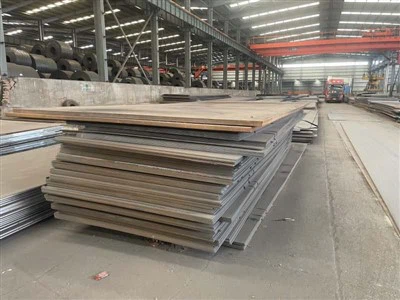
As a seasoned supplier of spring steel, I've witnessed firsthand the widespread use and many advantages of this remarkable material. Spring steel is renowned for its exceptional elasticity, strength, and durability, making it a popular choice in a variety of industries, from automotive to aerospace, and from consumer goods to industrial machinery. However, like any material, spring steel is not without its drawbacks. In this blog post, I'll delve into the disadvantages of spring steel, providing a balanced perspective to help you make informed decisions when selecting materials for your projects.
1. Corrosion Susceptibility
One of the most significant disadvantages of spring steel is its susceptibility to corrosion. Traditional carbon spring steels, such as 65Mn Spring Steel, are particularly vulnerable to rust and oxidation when exposed to moisture, oxygen, and certain chemicals. This corrosion can weaken the spring steel over time, reducing its strength and elasticity and ultimately leading to failure.
In environments where corrosion is a concern, stainless spring steels are often used as an alternative. Stainless Spring Steels contain chromium, which forms a passive oxide layer on the surface of the steel, protecting it from corrosion. However, even stainless spring steels are not completely immune to corrosion, especially in harsh environments or when exposed to certain corrosive substances.
To mitigate the risk of corrosion, spring steel components may need to be coated or treated with protective finishes, such as zinc plating, powder coating, or epoxy coating. These coatings can provide an additional layer of protection against corrosion, but they also add to the cost and complexity of the manufacturing process.
2. High Cost
Spring steel is generally more expensive than other types of steel due to its specialized composition and manufacturing process. The production of spring steel requires precise control of the chemical composition and heat treatment to achieve the desired properties, such as high strength, elasticity, and fatigue resistance. This precision manufacturing process increases the cost of production, which is reflected in the price of the final product.
In addition to the cost of the material itself, the cost of processing and finishing spring steel components can also be significant. Spring steel often requires specialized machining, forming, and heat treatment operations, which can be time-consuming and expensive. The need for protective coatings or treatments to prevent corrosion further adds to the cost.
For applications where cost is a major consideration, alternative materials may be more suitable. For example, in some cases, plastic or composite materials can be used instead of spring steel to achieve similar functionality at a lower cost. However, these alternative materials may not offer the same level of strength, durability, or performance as spring steel.
3. Limited Ductility
Spring steel is designed to have high strength and elasticity, which means it has limited ductility. Ductility is the ability of a material to deform plastically without fracturing. In other words, a material with high ductility can be stretched or bent without breaking, while a material with low ductility is more likely to fracture under stress.
The limited ductility of spring steel can make it difficult to form or shape into complex geometries. Spring steel components often require specialized forming techniques, such as cold forming, hot forging, or stamping, to achieve the desired shape. These forming processes can be challenging and may require expensive tooling and equipment.
In addition, the limited ductility of spring steel can also make it more susceptible to cracking or fracturing during processing or use. If a spring steel component is subjected to excessive stress or deformation, it may crack or break, leading to failure. This can be a particular concern in applications where the spring steel is subjected to dynamic loads or cyclic stress.


4. Fatigue Failure
Spring steel is often subjected to cyclic loading, which means it is repeatedly stressed and relaxed over time. This cyclic loading can cause fatigue failure, which is the progressive damage and eventual fracture of the material due to repeated stress. Fatigue failure is a common problem in spring steel components, especially in applications where the spring is subjected to high loads or frequent cycling.
The fatigue life of spring steel depends on several factors, including the material composition, heat treatment, surface finish, and loading conditions. To improve the fatigue resistance of spring steel, it is important to optimize the material composition and heat treatment process, as well as to ensure a smooth and defect-free surface finish.
In addition, the design of the spring steel component can also have a significant impact on its fatigue life. For example, the shape, size, and geometry of the spring can affect the distribution of stress and the likelihood of fatigue failure. By carefully designing the spring to minimize stress concentrations and ensure uniform stress distribution, the fatigue life of the spring can be extended.
5. Difficult to Weld
Welding spring steel can be challenging due to its high carbon content and specialized properties. The high carbon content of spring steel makes it prone to cracking and embrittlement during welding, especially if the welding process is not carefully controlled. In addition, the heat generated during welding can cause the spring steel to lose its temper and hardness, reducing its strength and elasticity.
To weld spring steel successfully, specialized welding techniques and procedures are required. These techniques often involve preheating the material to reduce the risk of cracking, using low-hydrogen welding electrodes, and controlling the welding parameters to minimize the heat input. Welding spring steel also requires skilled welders with experience in working with high-strength steels.
The difficulty of welding spring steel can limit its use in applications where welding is required. In some cases, alternative joining methods, such as mechanical fastening or adhesive bonding, may be more suitable. However, these alternative joining methods may not offer the same level of strength or durability as welding.
Conclusion
While spring steel offers many advantages, including high strength, elasticity, and durability, it also has several disadvantages that need to be considered when selecting materials for your projects. The susceptibility to corrosion, high cost, limited ductility, fatigue failure, and difficulty in welding are all factors that can affect the performance, cost, and manufacturability of spring steel components.
As a supplier of spring steel, I understand the importance of providing our customers with accurate and comprehensive information about the properties and limitations of our products. By understanding the disadvantages of spring steel, you can make informed decisions about whether it is the right material for your application. If you have any questions or need further assistance in selecting the appropriate spring steel for your project, please don't hesitate to contact us. Our team of experts is here to help you find the best solution for your needs.
References
- ASM Handbook, Volume 1: Properties and Selection: Irons, Steels, and High-Performance Alloys, ASM International
- Metals Handbook Desk Edition, Third Edition, ASM International
- Spring Design Manual, Fifth Edition, The Spring Manufacturers Institute