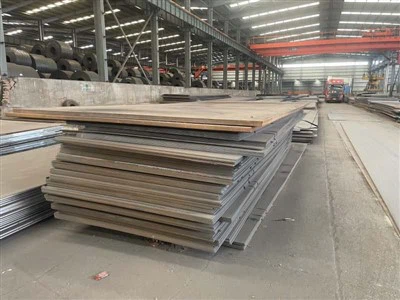
As a supplier of welded steel pipes, I've been deeply involved in this industry for years. Welded steel pipes are widely used in various fields due to their cost - effectiveness and relatively easy manufacturing process. However, like any other product, they come with their own set of disadvantages. In this blog, I'll explore some of the main drawbacks of welded steel pipes.
1. Weld Quality Issues
One of the most significant disadvantages of welded steel pipes is related to the quality of the weld. During the welding process, various defects can occur, which can compromise the integrity of the pipe.
-
Porosity: Porosity is a common welding defect where small holes or voids form in the weld. This can be caused by factors such as improper shielding gas, moisture in the welding area, or incorrect welding parameters. Porous welds reduce the strength of the pipe, making it more susceptible to failure under pressure. For example, in a pipeline system carrying high - pressure fluids, a pipe with porous welds may develop leaks or even burst, leading to significant safety hazards and economic losses.
-
Cracks: Weld cracks can be either hot cracks or cold cracks. Hot cracks occur during the solidification of the weld metal, often due to high levels of impurities in the base metal or the filler material. Cold cracks, on the other hand, develop after the weld has cooled down, usually because of residual stresses and hydrogen embrittlement. Cracks are extremely dangerous as they can propagate quickly under stress, causing the pipe to fail suddenly.
-
Lack of Fusion: This defect happens when the weld metal does not properly fuse with the base metal. It can result from insufficient heat input, improper welding technique, or dirty surfaces. A pipe with lack - of - fusion areas has reduced load - bearing capacity and may not perform as expected in service.
2. Corrosion Susceptibility
Welded steel pipes are generally more prone to corrosion compared to seamless steel pipes.
- Weld Zone Corrosion: The welding process changes the microstructure of the steel in the weld zone. This altered microstructure can have different electrochemical properties from the base metal, creating a potential difference that can lead to galvanic corrosion. For instance, in a water - carrying pipeline, the weld zone may corrode faster than the rest of the pipe, leading to premature failure.
- Residual Stresses and Corrosion: Welding introduces residual stresses in the pipe. These stresses can increase the susceptibility of the steel to stress - corrosion cracking (SCC). SCC is a form of corrosion that occurs when a material is under tensile stress in a corrosive environment. In applications where the welded steel pipes are exposed to aggressive chemicals or high - humidity conditions, SCC can be a major concern.
3. Limited Pressure and Temperature Resistance
Compared to seamless steel pipes, welded steel pipes usually have limitations in terms of the maximum pressure and temperature they can withstand.
- Pressure Limitations: The weld in a welded steel pipe is a potential weak point. Under high - pressure conditions, the stress concentration at the weld can cause the pipe to fail. For applications such as high - pressure oil and gas pipelines, seamless steel pipes are often preferred over welded ones because they can better withstand the internal pressure without the risk of weld failure.
- Temperature Limitations: At high temperatures, the mechanical properties of the weld and the base metal can change. The weld may lose its strength more rapidly than the base metal, leading to a reduction in the overall performance of the pipe. In high - temperature industrial processes, such as power generation plants, the use of welded steel pipes may be restricted due to their limited temperature resistance.
4. Dimensional Tolerance
Welded steel pipes may have larger dimensional tolerances compared to seamless steel pipes.
- Wall Thickness Variation: During the welding process, the heat input can cause some unevenness in the wall thickness of the pipe. This variation can affect the pipe's performance, especially in applications where precise wall thickness is crucial. For example, in heat exchanger tubes, wall thickness variation can lead to uneven heat transfer and reduced efficiency.
- Diameter and Ovality: Welded steel pipes may also have issues with diameter accuracy and ovality. Ovality refers to the deviation of the pipe's cross - section from a perfect circle. Excessive ovality can cause problems during installation, such as difficulty in fitting the pipe into connectors or other components.
5. Aesthetic Limitations
In some applications where the appearance of the pipe is important, welded steel pipes may not be the best choice.


- Visible Welds: The weld seam on a welded steel pipe is often visible, which can be a drawback in architectural or decorative applications. For instance, in the construction of modern buildings where a smooth and seamless appearance is desired, the visible welds on welded steel pipes may not meet the aesthetic requirements.
Types of Welded Steel Pipes and Their Specific Disadvantages
- Submerged Steel Pipe: Submerged Steel Pipe is commonly used in large - diameter pipeline projects. However, the submerged arc welding process used to manufacture these pipes can sometimes result in deeper penetration and wider heat - affected zones. This can lead to more significant residual stresses and potential microstructural changes, increasing the risk of corrosion and cracking.
- Straight Seam Pipe: Straight Seam Pipe has a single straight weld along its length. While this design is relatively simple, the straight seam can be a weak point under certain loading conditions. For example, if the pipe is subjected to bending or torsional forces, the straight seam may be more likely to fail compared to a seamless pipe.
- High Frequency Steel Pipe: High Frequency Steel Pipe is produced using high - frequency induction welding. This process can sometimes result in a narrow heat - affected zone, but it may also introduce high - frequency noise and electromagnetic interference. In addition, the high - frequency welding equipment is complex and requires precise control, which can increase the manufacturing cost and the risk of production defects.
Despite these disadvantages, welded steel pipes still have their place in the market due to their cost - effectiveness and wide availability. At our company, we are committed to minimizing these drawbacks through strict quality control measures and advanced manufacturing techniques. We carefully monitor the welding process to ensure high - quality welds, and we perform various tests on the pipes to detect and eliminate any potential defects.
If you are considering purchasing welded steel pipes for your project, we encourage you to contact us for a detailed discussion. Our team of experts can help you understand the pros and cons of welded steel pipes in the context of your specific application and provide you with the best - suited solutions. We believe that through open communication and collaboration, we can meet your requirements and ensure the success of your project.
References
- ASME Boiler and Pressure Vessel Code.
- API Standards for Oil and Gas Pipelines.
- ISO Standards for Welded Steel Pipes.