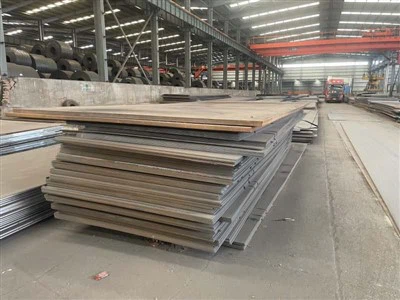
Stainless steel is renowned for its corrosion resistance, making it a popular choice in various industries, from construction to food processing. As a stainless steel supplier, I've witnessed firsthand how different factors can influence the corrosion resistance of this versatile material. In this blog, I'll delve into the key elements that play a role in determining how well stainless steel can withstand corrosion.
Alloy Composition
One of the most fundamental factors affecting the corrosion resistance of stainless steel is its alloy composition. Stainless steel is primarily an alloy of iron, chromium, and nickel, with other elements added in smaller quantities to enhance specific properties.
Chromium is the star player when it comes to corrosion resistance. When chromium is present in stainless steel at a minimum of 10.5%, it forms a thin, invisible oxide layer on the surface of the metal. This layer, known as the passive film, acts as a barrier that protects the underlying metal from corrosion. The passive film is self - healing, meaning that if it is damaged, it can reform in the presence of oxygen. For example, UNS S31254 Stainless Steel contains a high percentage of chromium, along with other alloying elements like molybdenum and nitrogen, which significantly enhance its corrosion resistance in harsh environments such as seawater and chemical processing plants.
Nickel is another important alloying element. It improves the ductility and toughness of stainless steel and also enhances its resistance to certain types of corrosion, particularly in acidic environments. Austenitic stainless steels, which are rich in nickel, are often used in applications where resistance to both corrosion and high - temperature strength is required.
Molybdenum is added to stainless steel to increase its resistance to pitting and crevice corrosion. Pitting corrosion occurs when small holes or pits form on the surface of the metal, while crevice corrosion happens in areas where there are narrow gaps or crevices. For instance, in marine applications, where stainless steel is constantly exposed to saltwater, molybdenum - containing grades are preferred to prevent these types of corrosion.
Surface Finish
The surface finish of stainless steel can have a significant impact on its corrosion resistance. A smooth, polished surface is less likely to trap contaminants and moisture, which can lead to corrosion. Rough surfaces, on the other hand, provide more sites for corrosion to initiate.
There are different types of surface finishes available for stainless steel, ranging from a matte finish to a mirror - like polish. A passivated surface finish is often used to improve corrosion resistance. Passivation is a chemical treatment that removes free iron from the surface of the stainless steel and promotes the formation of a uniform passive film. This process can enhance the natural corrosion - resistant properties of the material.
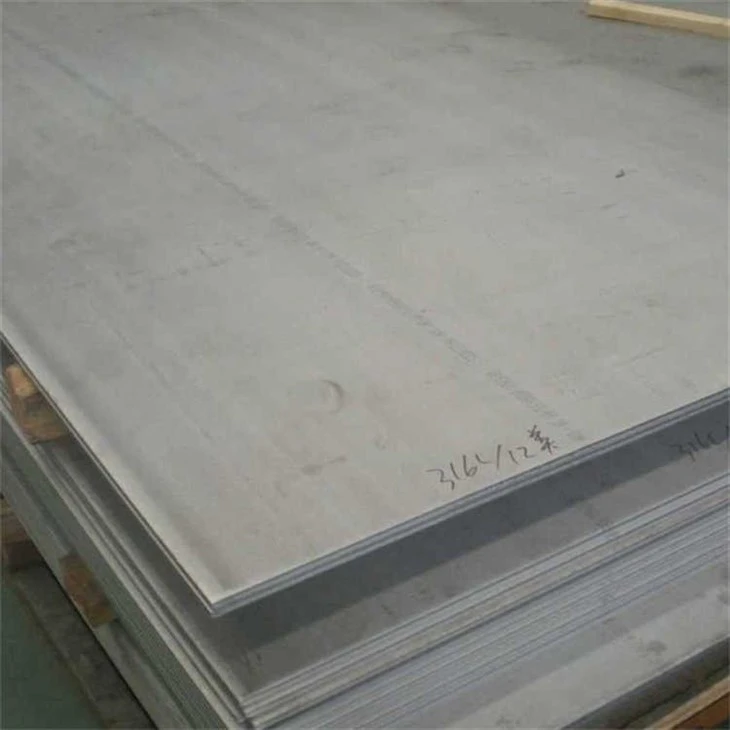

In addition, the presence of surface defects such as scratches, dents, or weld spatter can also compromise the corrosion resistance of stainless steel. These defects can disrupt the passive film and create areas where corrosion can start. Therefore, it is crucial to handle stainless steel carefully during fabrication and installation to avoid surface damage.
Environmental Conditions
The environment in which stainless steel is used plays a major role in determining its corrosion resistance. Different environments present different challenges, and the performance of stainless steel can vary widely depending on the specific conditions.
Temperature
Temperature can have a significant impact on the corrosion rate of stainless steel. In general, as the temperature increases, the rate of corrosion also increases. High temperatures can accelerate chemical reactions and reduce the effectiveness of the passive film. For example, in high - temperature industrial processes such as power generation or chemical manufacturing, special grades of stainless steel with enhanced high - temperature corrosion resistance are required.
Humidity
Humidity is another important factor. In humid environments, moisture can condense on the surface of the stainless steel, providing an electrolyte that can facilitate corrosion. If the humidity is combined with other contaminants such as salts or acids, the corrosion risk increases significantly. Coastal areas, for instance, have high humidity levels and the presence of salt in the air, which can cause pitting and crevice corrosion in stainless steel.
Chemical Exposure
Stainless steel can be exposed to a wide range of chemicals in different industries. Some chemicals are more aggressive than others and can cause rapid corrosion of the material. For example, strong acids such as hydrochloric acid and sulfuric acid can dissolve the passive film and attack the underlying metal. On the other hand, some chemicals can actually enhance the corrosion resistance of stainless steel. For instance, nitric acid is often used in the passivation process to promote the formation of a more stable passive film.
Fabrication and Welding
The way stainless steel is fabricated and welded can also affect its corrosion resistance. During fabrication, processes such as cutting, bending, and machining can introduce stress into the material, which can make it more susceptible to corrosion. Welding, in particular, can have a significant impact on the corrosion resistance of stainless steel.
When stainless steel is welded, the heat affected zone (HAZ) can experience changes in its microstructure and alloy composition. The high temperatures during welding can cause the formation of chromium carbides, which can deplete the chromium content in the HAZ. This can lead to a reduction in the corrosion resistance of the welded area. To mitigate this issue, special welding techniques and filler materials are often used to ensure that the corrosion resistance of the welded joint is maintained.
Heat Treatment
Heat treatment is a process that can be used to modify the microstructure and properties of stainless steel. Different heat treatment processes can have different effects on the corrosion resistance of the material.
Annealing is a common heat treatment process that involves heating the stainless steel to a specific temperature and then cooling it slowly. Annealing can relieve stress in the material and improve its ductility and corrosion resistance. Quenching and tempering, on the other hand, are heat treatment processes that are used to increase the strength and hardness of stainless steel. However, these processes can also make the material more susceptible to corrosion if not carried out correctly.
In conclusion, the corrosion resistance of stainless steel is influenced by a complex interplay of factors, including alloy composition, surface finish, environmental conditions, fabrication and welding, and heat treatment. As a stainless steel supplier, I understand the importance of considering these factors when selecting the right grade of stainless steel for a particular application. By choosing the appropriate grade and taking proper care during fabrication and installation, the corrosion resistance of stainless steel can be maximized, ensuring long - term performance and reliability.
If you are in the market for high - quality stainless steel products and need assistance in selecting the right grade for your specific application, I encourage you to reach out for a procurement discussion. We have a wide range of stainless steel products, including ASTM A179 Carbon Steel Pipe and can provide you with competitive 304 Stainless Steel Coil Price. Contact us today to start the conversation and find the best stainless steel solutions for your needs.
References
- ASM Handbook Volume 13A: Corrosion: Fundamentals, Testing, and Protection. ASM International.
- Stainless Steel: A Guide to Properties, Selection, and Applications. The Nickel Institute.
- Corrosion Resistance of Stainless Steels. National Association of Corrosion Engineers (NACE).