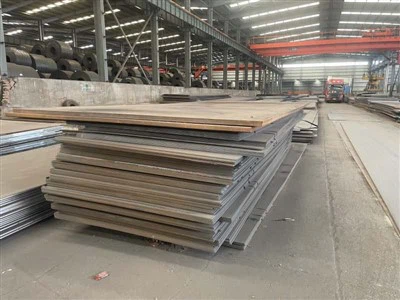
Corten steel, also known as weathering steel, has gained significant popularity in various industries due to its unique properties, especially its hardness characteristics. As a Corten steel supplier, I am well - versed in the hardness properties of this remarkable material and am excited to share in - depth knowledge about it.
1. Understanding Corten Steel
Corten steel is a group of steel alloys that were developed to eliminate the need for painting and to form a stable rust - like appearance when exposed to the elements. This steel typically contains copper, chromium, nickel, and other alloying elements. These elements work together to enhance the steel's corrosion resistance and also influence its hardness.
The formation of a protective patina on Corten steel is a key feature. This patina acts as a barrier, preventing further corrosion of the underlying steel. The process of patina formation is closely related to the steel's hardness and other mechanical properties. When the steel is first exposed to the environment, a thin layer of rust begins to form. Over time, this rust layer becomes more compact and adherent, which not only protects the steel but also has an impact on its surface hardness.
2. Hardness Testing Methods for Corten Steel
There are several methods used to measure the hardness of Corten steel.
Brinell Hardness Test
The Brinell hardness test is one of the oldest and most widely used methods. In this test, a hard, spherical indenter is pressed into the surface of the Corten steel sample with a specific load for a set period. The diameter of the indentation left on the surface is then measured. The Brinell hardness number (BHN) is calculated based on the load and the surface area of the indentation. For Corten steel, the Brinell hardness can vary depending on the specific composition and heat treatment of the steel. Generally, Corten steel has a Brinell hardness in the range that makes it suitable for a variety of applications where moderate to high hardness is required.
Rockwell Hardness Test
The Rockwell hardness test is another common method. It measures the depth of penetration of an indenter under a minor load followed by a major load. The difference in penetration depth is used to determine the Rockwell hardness number. This test is quicker and more convenient than the Brinell test, especially for mass - produced Corten steel products. Different scales are used in the Rockwell test, such as the B scale for softer materials and the C scale for harder materials. Corten steel usually falls within the range that can be accurately measured using these scales, allowing for easy quality control during production.
Vickers Hardness Test
The Vickers hardness test uses a square - based pyramidal indenter. A load is applied to the indenter, which is pressed into the Corten steel surface. The diagonal length of the indentation is measured, and the Vickers hardness number (HV) is calculated. This test is particularly useful for measuring the hardness of thin sections or small areas of Corten steel, as it can provide more accurate results in these cases.
3. Factors Affecting the Hardness of Corten Steel
Alloying Elements
As mentioned earlier, the alloying elements in Corten steel play a crucial role in determining its hardness. Copper is one of the key elements. It helps in the formation of the protective patina and also contributes to the overall strength and hardness of the steel. Chromium is another important element. It forms a passive oxide layer on the surface of the steel, which not only enhances corrosion resistance but also has a positive effect on hardness. Nickel, when present in appropriate amounts, can improve the toughness and hardness of Corten steel, making it more resistant to wear and deformation.
Heat Treatment
Heat treatment processes can significantly alter the hardness of Corten steel. Annealing, for example, is a heat treatment process where the steel is heated to a specific temperature and then slowly cooled. This process can reduce the hardness of Corten steel, making it more ductile and easier to form. On the other hand, quenching and tempering can increase the hardness of the steel. Quenching involves rapid cooling of the heated steel, which results in a hard and brittle structure. Tempering is then carried out to reduce the brittleness and improve the toughness while maintaining a relatively high hardness.
Manufacturing Process
The manufacturing process of Corten steel also affects its hardness. Hot - rolling is a common manufacturing method for Corten steel products such as Hot Rolled Weathering Corten Steel Plate. During hot - rolling, the steel is heated above its recrystallization temperature and then passed through rollers. This process can refine the grain structure of the steel, which in turn affects its hardness. Cold - rolling, on the other hand, can increase the hardness of the steel by work - hardening the material.
4. Hardness and Application of Corten Steel
Structural Applications
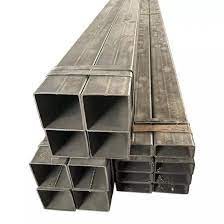
In structural applications, the hardness of Corten steel is of great importance. Buildings, bridges, and other large - scale structures require materials with sufficient hardness to withstand the various loads and stresses they are subjected to. Corten steel's hardness, combined with its corrosion resistance, makes it an ideal choice for these applications. For example, in bridge construction, the steel needs to be hard enough to support the weight of traffic and resist deformation over time. The Q345B Carbon Steel Square Tube and A36 Carbon Steel Square Tube are often used in structural frameworks due to their appropriate hardness and other mechanical properties.
Decorative Applications
Corten steel is also widely used in decorative applications. Its unique rust - like appearance gives it an aesthetic appeal, and its hardness ensures that the decorative elements can maintain their shape and integrity over time. Sculptures, outdoor art installations, and architectural facades made of Corten steel rely on the material's hardness to withstand environmental factors such as wind, rain, and physical impacts.
Industrial Equipment
In industrial settings, Corten steel's hardness makes it suitable for manufacturing equipment that is exposed to harsh conditions. For example, storage tanks, conveyor systems, and mining equipment can benefit from the high - hardness and corrosion - resistant properties of Corten steel. The hardness of the steel helps to resist wear and abrasion, increasing the lifespan of the equipment.
5. Comparison of Corten Steel Hardness with Other Steels
When compared with traditional carbon steels, Corten steel generally has better corrosion resistance and comparable or even higher hardness in some cases. For example, plain carbon steels may require regular painting to prevent corrosion, and their hardness may not be as well - balanced with other properties as Corten steel. Stainless steels, on the other hand, are known for their high corrosion resistance, but Corten steel can offer a more cost - effective solution for applications where the aesthetic of the rust - like patina is acceptable and a certain level of hardness is needed.

6. Quality Control of Corten Steel Hardness
As a Corten steel supplier, ensuring the quality of the hardness of our products is of utmost importance. We use advanced hardness testing equipment to conduct regular inspections during the production process. Every batch of Corten steel is tested to ensure that it meets the specified hardness requirements. This strict quality control process guarantees that our customers receive high - quality Corten steel products that perform well in their intended applications.
7. Contact for Purchase and Negotiation
If you are interested in purchasing Corten steel products for your projects, we are here to assist you. Our team of experts can provide you with detailed information about the hardness properties and other characteristics of our Corten steel. We can also offer customized solutions based on your specific requirements. Whether you need Q345B Carbon Steel Square Tube, Hot Rolled Weathering Corten Steel Plate, or A36 Carbon Steel Square Tube, we have the expertise and resources to meet your needs. Contact us to start the negotiation process and find the best Corten steel solution for your project.
References
- ASM Handbook, Volume 1: Properties and Selection: Irons, Steels, and High - Performance Alloys
- ASTM Standards for Hardness Testing of Metals
- "Corrosion Resistance and Mechanical Properties of Weathering Steels" by various metallurgical research institutions