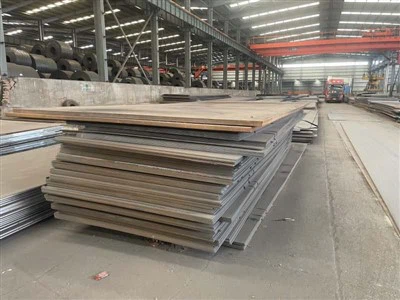
Hey there, folks! As a supplier of ASME 516 GR.70 Plate Pressure Vessels, I've had my fair share of experiences dealing with the ins and outs of these vessels, especially in cryogenic applications. So, I thought I'd share with you what the requirements are for using ASME 516 GR.70 plate in these super - cold settings.
Material Properties
First off, let's talk about the material itself. ASME 516 GR.70 is a carbon steel plate that's commonly used in pressure vessels. In cryogenic applications, the material needs to have excellent toughness at low temperatures. You see, when things get really cold, metals can become brittle, and that's a big no - no when you're dealing with a pressure vessel. The plate should be able to withstand the stresses and strains without cracking or failing.
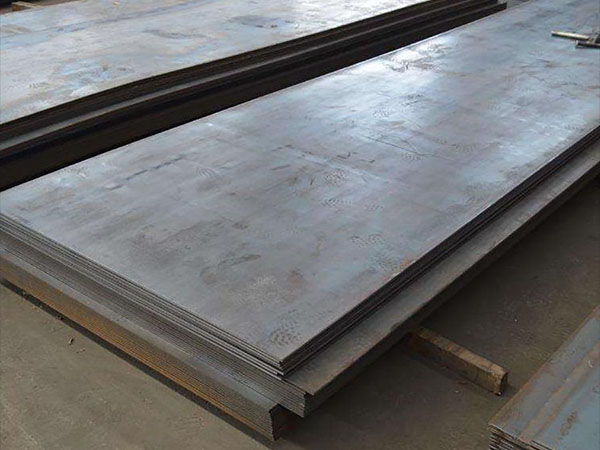
The ASTM A516 GR70 Steel Plate [/pressure - vessel - steel - plates/american - standard - boiler - pressure - vessel/astm - a516 - gr70 - steel - plate.html] has a specified minimum yield strength and tensile strength. In cryogenic applications, we need to ensure that these strength properties are maintained even at extremely low temperatures. The composition of the steel also plays a crucial role. Elements like carbon, manganese, and silicon need to be within certain limits to ensure the right balance of strength and toughness.
Carbon content affects the hardness and strength of the steel. But too much carbon can make the steel more brittle, which is a problem in cryogenic conditions. Manganese helps improve the strength and toughness of the steel, while silicon is used as a deoxidizer. The right combination of these elements gives the ASME 516 GR.70 plate the ability to perform well under cryogenic pressures.
Manufacturing and Testing
The manufacturing process of ASME 516 GR.70 Plate Pressure Vessels for cryogenic applications is a bit more strict than for normal applications. Welding is a critical step. The welds need to be of high quality because they can be potential weak points in the vessel. Special welding procedures are required to ensure that the welds have the same low - temperature toughness as the base metal.
After welding, the vessels go through a series of tests. One of the most important tests is the Charpy V - notch test. This test measures the impact toughness of the material at low temperatures. The vessel needs to meet certain Charpy impact energy requirements at the specified cryogenic temperature. If the vessel fails this test, it means it might not be able to handle the sudden impacts or stresses in a cryogenic environment.
Another test is the ultrasonic testing (UT). This test is used to detect any internal flaws or defects in the plate and the welds. Any cracks or voids could compromise the integrity of the pressure vessel, so UT is essential to make sure the vessel is safe to use.
Design Considerations
When designing an ASME 516 GR.70 Plate Pressure Vessel for cryogenic applications, there are several factors to consider. The vessel needs to be designed to handle the thermal stresses caused by the extreme temperature changes. As the vessel cools down to cryogenic temperatures, it contracts, and this can create significant internal stresses.
The shape and size of the vessel also matter. A well - designed vessel will distribute the stresses evenly across the structure. For example, spherical vessels are often preferred in cryogenic applications because they can handle pressure more uniformly than cylindrical vessels.
Insulation is another key design aspect. Proper insulation helps maintain the low temperature inside the vessel and reduces the heat transfer from the outside environment. This not only helps the vessel operate more efficiently but also reduces the risk of thermal shock to the material.

Comparison with Other Materials
It's also interesting to compare ASME 516 GR.70 with other materials used in pressure vessels. Take the JIS G3116 SG295 Gas Cylinder Steel Coil [/pressure - vessel - steel - plates/japanese - standard - boiler - pressure - vessel/jis - g3116 - sg295 - gas - cylinder - steel - coil.html]. This Japanese - standard steel is mainly used for gas cylinders. While it has its own set of advantages, such as good formability, it might not have the same level of low - temperature toughness as ASME 516 GR.70 in cryogenic applications.
The ASTM A387 Grade 12 Class1(A387GR12CL1) Pressure Vessel And Boiler Steel Plate [/pressure - vessel - steel - plates/american - standard - boiler - pressure - vessel/astm - a387 - grade - 12 - class1 - a387gr12cl1.html] is another option. It's often used in high - temperature and high - pressure applications. However, in cryogenic settings, the composition and properties of ASME 516 GR.70 might be more suitable due to its better low - temperature performance.
The Carbon Steel Plate A516 Gr70 [/pressure - vessel - steel - plates/american - standard - boiler - pressure - vessel/carbon - steel - plate - a516 - gr70.html] and P460QH Pressure Vessel Plate [/pressure - vessel - steel - plates/european - standard - boiler - pressure - vessel/p460qh - pressure - vessel - plate.html] also have their own characteristics. The P460QH is a European - standard steel plate with good mechanical properties, but again, the specific requirements of cryogenic applications might make ASME 516 GR.70 a better choice.
Quality Assurance
Quality assurance is a top priority when it comes to ASME 516 GR.70 Plate Pressure Vessels for cryogenic applications. We follow strict quality control procedures from the moment the raw materials are received until the final product is shipped. All our products are manufactured in accordance with the relevant ASME standards, and we have a team of experienced inspectors who check every step of the process.
We also keep detailed records of all the manufacturing and testing processes. This allows us to trace back any issues that might arise and ensure that our products meet the highest quality standards.
Conclusion and Call to Action
In conclusion, using ASME 516 GR.70 plate in cryogenic applications requires careful consideration of material properties, manufacturing processes, design, and quality assurance. If you're in the market for high - quality ASME 516 GR.70 Plate Pressure Vessels for cryogenic applications, you've come to the right place. We're committed to providing you with the best products that meet all the necessary requirements.
If you're interested in learning more or want to discuss your specific needs, feel free to reach out to us. We're always happy to have a chat and help you find the perfect pressure vessel solution for your cryogenic application.
References
- ASME Boiler and Pressure Vessel Code
- ASTM Standards for Steel Plates
- Technical literature on cryogenic pressure vessel design