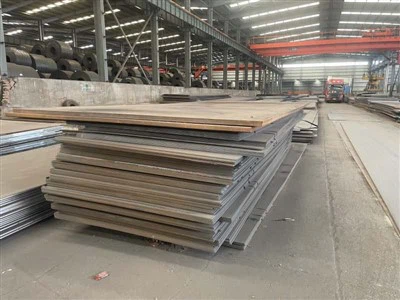
Surface roughness is a critical factor in the manufacturing and application of alloy steel pipes. As a leading supplier of alloy steel pipes, I understand the importance of surface roughness requirements in meeting the diverse needs of our customers. In this blog post, I will delve into the surface roughness requirements for alloy steel pipes, exploring why they matter, how they are measured, and the specific standards for different types of alloy steel pipes.
Why Surface Roughness Matters in Alloy Steel Pipes
The surface roughness of an alloy steel pipe can significantly impact its performance and functionality in various applications. Here are some key reasons why surface roughness is crucial:
Flow Efficiency
In applications where fluids or gases flow through the pipes, such as in oil and gas pipelines or power generation systems, a smooth surface reduces friction. This, in turn, enhances the flow efficiency, reduces energy consumption, and minimizes pressure drops. For example, in a heat exchanger, a smoother internal surface of the alloy steel pipe allows for better heat transfer and more efficient operation.
Corrosion Resistance
A smooth surface finish can improve the corrosion resistance of alloy steel pipes. Rough surfaces provide more areas for corrosion agents to accumulate and initiate corrosion. By reducing the surface roughness, we can minimize the risk of corrosion, extending the service life of the pipes, especially in harsh environments where they are exposed to corrosive substances.
Weldability
When alloy steel pipes need to be welded together, the surface roughness can affect the quality of the weld. A smooth surface ensures better contact between the pipes during welding, reducing the likelihood of weld defects such as porosity and lack of fusion. This is particularly important in critical applications where the integrity of the weld is essential for the safety and performance of the overall system.
Fatigue Resistance
In applications where the pipes are subjected to cyclic loading, such as in mechanical engineering and automotive industries, a smooth surface can enhance the fatigue resistance of the alloy steel pipes. Rough surfaces can act as stress concentrators, increasing the likelihood of crack initiation and propagation under cyclic loading.
Measuring Surface Roughness
Surface roughness is typically measured using profilometers, which are instruments that trace the surface profile of the pipe. The most common parameters used to quantify surface roughness are Ra (arithmetical mean deviation of the roughness profile) and Rz (mean height of the roughness profile).
- Ra: This parameter represents the average deviation of the surface profile from the mean line within a specified sampling length. It provides a general indication of the overall surface roughness. A lower Ra value indicates a smoother surface.
- Rz: Rz measures the average of the five largest peak-to-valley heights within the sampling length. It gives more emphasis to the larger irregularities on the surface.
Surface Roughness Requirements for Different Types of Alloy Steel Pipes
The surface roughness requirements for alloy steel pipes can vary depending on the specific type of alloy steel, the application, and the relevant industry standards. Here are some common types of alloy steel pipes and their typical surface roughness requirements:
A199 T11 Alloy Steel Tube
The A199 T11 Alloy Steel Tube is widely used in heat exchanger applications due to its excellent heat resistance and mechanical properties. For this type of tube, the internal surface roughness is often required to be relatively low, typically with an Ra value of less than 3.2 µm. This smooth surface helps to improve the heat transfer efficiency and prevent fouling inside the tube.
A199 T22 Alloy Steel Tube
The A199 T22 Alloy Steel Tube is another popular choice for high-temperature applications, such as in power plants. Similar to the A199 T11 tube, the internal surface roughness of the A199 T22 tube should be carefully controlled. An Ra value of around 2.5 - 3.2 µm is commonly specified to ensure good flow characteristics and corrosion resistance.
Astm A213 T22 Alloy Steel Pipe
The Astm A213 T22 Alloy Steel Pipe is used in various industries, including oil and gas, chemical, and power generation. The surface roughness requirements for this pipe can vary depending on the specific application. For example, in applications where the pipe is used for transporting fluids, a smoother internal surface with an Ra value of less than 3.2 µm is preferred. However, in some structural applications, the surface roughness requirements may be less stringent.
Meeting Surface Roughness Requirements in Manufacturing
As a supplier of alloy steel pipes, we take several measures to ensure that our products meet the required surface roughness standards:
Precision Machining
We use advanced machining techniques, such as turning, grinding, and honing, to achieve the desired surface finish. These processes allow us to control the surface roughness with high precision, ensuring that the pipes meet the strict requirements of our customers.
Quality Control
We have a comprehensive quality control system in place to monitor the surface roughness of our alloy steel pipes. Our quality control team uses state-of-the-art profilometers to measure the surface roughness at multiple points along the pipe, ensuring that the values are within the specified range.
Process Optimization
We continuously optimize our manufacturing processes to improve the surface finish of our pipes. By adjusting the machining parameters, such as cutting speed, feed rate, and depth of cut, we can reduce the surface roughness and improve the overall quality of the pipes.
Contact Us for Your Alloy Steel Pipe Needs
If you are in the market for high-quality alloy steel pipes that meet strict surface roughness requirements, look no further. Our company is committed to providing you with the best products and services. Whether you need A199 T11 Alloy Steel Tube, A199 T22 Alloy Steel Tube, or Astm A213 T22 Alloy Steel Pipe, we have the expertise and resources to meet your needs. Contact us today to discuss your specific requirements and start a partnership that will deliver outstanding results.

References
- ASME Boiler and Pressure Vessel Code
- ASTM International Standards for Alloy Steel Pipes
- ISO Standards for Surface Texture (Surface Roughness, Waviness, and Lay)