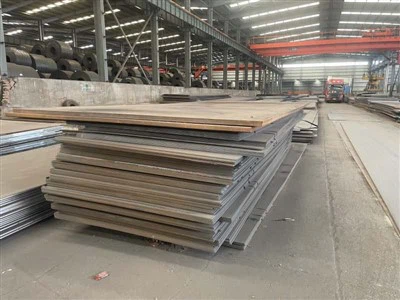
Spring steel is a specialized type of steel that offers high yield strength, excellent elasticity, and remarkable fatigue resistance. These properties make it an invaluable material in various industries, and the construction industry is no exception. As a leading spring steel supplier, I've witnessed firsthand how this versatile material is transforming the way we build. In this blog, I'll explore the diverse uses of spring steel in the construction industry.
Structural Reinforcement
One of the primary applications of spring steel in construction is structural reinforcement. Buildings are constantly subjected to various forces, including wind, earthquakes, and the weight of the structure itself. Spring steel's high strength and elasticity make it an ideal material for reinforcing concrete structures.
When embedded in concrete, spring steel bars, also known as rebars, help to distribute loads more evenly and prevent cracking. The steel's ability to deform elastically under stress allows it to absorb and dissipate energy, reducing the risk of structural failure during extreme events. For instance, in earthquake - prone regions, buildings reinforced with spring steel are more likely to withstand seismic forces and protect the lives and property of the occupants.
Moreover, spring steel can be used in the form of pre - stressed cables. Pre - stressing involves applying an initial tension to the steel cables before the concrete is loaded. This pre - stressing force counteracts the tensile stresses that occur during service, increasing the overall strength and durability of the structure. Bridges, high - rise buildings, and large - span structures often utilize pre - stressed spring steel cables to achieve greater stability and longer service lives.
Expansion Joints
Expansion joints are crucial components in construction that allow structures to expand and contract due to temperature changes, seismic activity, or settlement. Spring steel is commonly used in the manufacture of expansion joints because of its excellent elasticity.
Spring - based expansion joints can effectively absorb the movement of the structure without causing damage. They are designed to compress and expand as needed, maintaining a watertight and airtight seal. This is particularly important in buildings where preventing water infiltration and air leakage is essential for energy efficiency and the protection of the interior environment.
In addition to buildings, expansion joints made of spring steel are also used in bridges. Bridges are exposed to significant temperature variations, and without proper expansion joints, the thermal expansion and contraction could lead to structural damage. Spring steel expansion joints ensure that the bridge can accommodate these movements safely, reducing maintenance costs and extending the bridge's lifespan.
Fasteners and Connectors
Fasteners and connectors are the unsung heroes of the construction industry, holding everything together. Spring steel is widely used in the production of various fasteners, such as screws, bolts, and clips.
The high strength and corrosion resistance of spring steel make it suitable for outdoor and high - stress applications. Spring steel screws and bolts can provide a secure connection even in harsh environments. For example, in coastal areas where buildings are exposed to saltwater and high humidity, stainless spring steels, such as those found at Stainless Spring Steels, are often used to prevent corrosion and ensure the long - term integrity of the structure.
Spring - loaded clips are another important application of spring steel in construction. These clips are used to secure panels, pipes, and other components in place. Their elasticity allows for easy installation and removal, making them a convenient choice for both construction and maintenance work.
Vibration Dampers
Buildings and structures can experience vibrations from various sources, such as machinery, traffic, or wind. Excessive vibrations can cause discomfort to the occupants, damage to the structure, and even affect the performance of sensitive equipment. Spring steel is an effective material for vibration dampers.


Vibration dampers made of spring steel work by absorbing and dissipating the vibrational energy. They are designed to have a specific natural frequency that can be tuned to match the frequency of the incoming vibrations. When the vibrations occur, the spring steel damper deforms, converting the kinetic energy of the vibrations into heat energy, which is then dissipated.
In industrial buildings where heavy machinery is used, vibration dampers made of spring steel can protect the structure from the harmful effects of vibrations. In high - rise buildings, they can also be used to reduce the sway caused by wind, improving the comfort and safety of the occupants.
Architectural Features
Spring steel can also be used to create unique architectural features. Its malleability and ability to hold complex shapes make it a favorite among architects and designers.
For example, spring steel can be formed into decorative screens, partitions, and balustrades. These features not only add aesthetic value to the building but also provide functional benefits, such as privacy and security. The 65Mn spring steel, available at 65Mn Spring Steel, is often used for these applications due to its good formability and strength.
In addition, spring steel can be used in the design of movable architectural elements, such as retractable roofs and folding walls. The elasticity of the spring steel allows these elements to move smoothly and reliably, adding a dynamic and functional aspect to the building.
Seismic Isolation Systems
Seismic isolation is a technique used to protect structures from the damaging effects of earthquakes. Spring steel plays a vital role in seismic isolation systems.
Seismic isolation systems typically consist of bearings and dampers that separate the building from the ground. Spring steel bearings can support the weight of the structure while allowing it to move horizontally during an earthquake. The elasticity of the spring steel helps to reduce the transfer of seismic forces to the building, protecting the structure and its contents.
Combined with other damping elements, spring steel - based seismic isolation systems can significantly improve the seismic performance of buildings. They are especially useful in areas with high seismic activity, where traditional building designs may not be sufficient to withstand strong earthquakes.
Contact Us for Your Spring Steel Needs
As a reliable spring steel supplier, we offer a wide range of spring steel products to meet the diverse needs of the construction industry. Whether you're working on a small residential project or a large - scale commercial development, our high - quality spring steel can provide the strength, durability, and performance you require.
If you're interested in learning more about our spring steel products or have specific requirements for your construction project, please don't hesitate to contact us. Our team of experts is ready to assist you in selecting the right spring steel solution for your needs. We can provide technical support, product samples, and competitive pricing to ensure that your project is a success.
References
- "Steel Construction Manual", American Institute of Steel Construction
- "Construction Materials: Types, Properties, and Selection", CRC Press
- "Seismic Design and Retrofit of Buildings", John Wiley & Sons