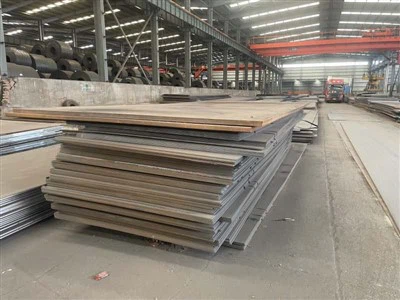
When it comes to working with thin carbon steel plates, selecting the appropriate cutting method is crucial for achieving high - quality results and maximizing efficiency. As a carbon steel plate supplier, I have witnessed firsthand the diverse needs of our customers and the importance of matching the right cutting technique to the job at hand. In this blog, I will explore several cutting methods suitable for thin carbon steel plates, discussing their advantages, limitations, and ideal applications.


1. Laser Cutting
Laser cutting is one of the most popular and effective methods for cutting thin carbon steel plates. This technology uses a high - powered laser beam to melt, burn, or vaporize the material along a predefined path.
Advantages
- High Precision: Laser cutting can achieve extremely precise cuts with a narrow kerf width, typically ranging from 0.1mm to 0.3mm. This makes it ideal for applications that require intricate designs or tight tolerances, such as in the production of electronic components or decorative items.
- Smooth Edges: The laser beam creates a clean and smooth cut edge, reducing the need for post - processing operations like grinding or deburring. This not only saves time but also improves the overall quality of the finished product.
- Fast Cutting Speeds: Laser cutting machines can operate at high speeds, especially when cutting thin carbon steel plates. This results in increased productivity and shorter lead times, which is beneficial for large - scale production runs.
Limitations
- High Initial Investment: The cost of purchasing and setting up a laser cutting machine is relatively high. This can be a significant barrier for small - scale manufacturers or businesses with limited budgets.
- Thickness Limitations: While laser cutting is excellent for thin carbon steel plates, its effectiveness decreases as the material thickness increases. Generally, laser cutting is most suitable for plates with a thickness of up to 6mm.
Ideal Applications
- Precision parts manufacturing, such as gears, brackets, and frames for electronic devices.
- Architectural and decorative elements, including metal art, signage, and interior partitions.
Carbon Steel Hollow Bar can also be processed using laser cutting for high - precision applications.
2. Plasma Cutting
Plasma cutting is another widely used method for cutting thin carbon steel plates. It works by creating a high - temperature plasma arc that melts the material and blows away the molten metal using a jet of compressed gas.
Advantages
- Versatility: Plasma cutting can be used to cut a wide range of materials, including carbon steel, stainless steel, aluminum, and copper. It is also suitable for cutting materials with varying thicknesses, from very thin sheets to thicker plates.
- Good Cutting Speeds: Plasma cutting machines can cut at relatively high speeds, especially when compared to some traditional cutting methods like oxy - fuel cutting. This makes it a cost - effective option for medium - to large - scale production.
- Lower Initial Cost: The equipment required for plasma cutting is generally less expensive than laser cutting machines, making it more accessible for small and medium - sized businesses.
Limitations
- Less Precision than Laser Cutting: Plasma cutting has a wider kerf width compared to laser cutting, typically ranging from 1mm to 3mm. This can result in less precise cuts, especially for intricate designs.
- Dross Formation: During the cutting process, dross (molten metal that solidifies on the cut edge) may form. This requires additional post - processing to remove, which can add to the overall production time and cost.
Ideal Applications
- Automotive manufacturing, for cutting body panels, chassis components, and exhaust systems.
- Fabrication of structural steel parts, such as beams, columns, and trusses.
S45C Carbon Steel Plate can be effectively cut using plasma cutting for general - purpose structural applications.
3. Waterjet Cutting
Waterjet cutting is a non - thermal cutting method that uses a high - pressure stream of water mixed with abrasive particles to cut through the material.
Advantages
- No Heat - Affected Zone (HAZ): Since waterjet cutting is a non - thermal process, there is no heat generated during the cutting operation. This means that the material properties of the thin carbon steel plate remain unchanged, and there is no risk of distortion or hardening in the cut area.
- Ability to Cut Complex Shapes: Waterjet cutting can easily cut complex shapes and contours, including curves, angles, and holes. It is also suitable for cutting materials with different hardness levels, making it a versatile option for various applications.
- Environmentally Friendly: Waterjet cutting uses water and abrasive particles, which are relatively environmentally friendly compared to some other cutting methods that may produce harmful fumes or waste.
Limitations
- Slower Cutting Speeds: Waterjet cutting is generally slower than laser and plasma cutting, especially when cutting thicker materials. This can result in longer production times and lower productivity for large - scale projects.
- Higher Operating Costs: The cost of water, abrasive materials, and equipment maintenance can be relatively high, which may increase the overall production cost.
Ideal Applications
- Cutting heat - sensitive materials, such as some special - grade carbon steel plates used in high - precision engineering applications.
- Production of custom - made parts with complex geometries, such as jewelry, prototypes, and artistic sculptures.
Cold Rolled Galvanized Steel Sheet Galvanized Steel Coil Cold Rolled can also be cut using waterjet cutting to avoid damage to the galvanized coating.
4. Shearing
Shearing is a mechanical cutting method that uses a pair of blades to cut through the thin carbon steel plate. The upper blade moves downward against the lower blade, applying a shearing force to the material.
Advantages
- Simple and Cost - Effective: Shearing is a relatively simple and inexpensive cutting method. The equipment required is less complex and costly compared to laser, plasma, or waterjet cutting machines.
- High Production Rates for Straight Cuts: Shearing is very efficient for making straight cuts on thin carbon steel plates. It can cut large quantities of material quickly, making it suitable for mass production of rectangular or square parts.
Limitations
- Limited to Straight Cuts: Shearing is mainly used for making straight cuts and is not suitable for cutting complex shapes or curves.
- Edge Quality: The cut edges produced by shearing may have some deformation or burrs, which may require additional finishing operations.
Ideal Applications
- Manufacturing of standard - sized sheets and strips for construction, automotive, and packaging industries.
- Cutting blanks for simple stamping or forming operations.
In conclusion, the choice of cutting method for thin carbon steel plates depends on various factors, including the required precision, cutting speed, material thickness, and production volume. As a carbon steel plate supplier, we are committed to providing our customers with the best advice on cutting methods to meet their specific needs. Whether you are a small - scale workshop or a large - scale manufacturing company, we can offer high - quality carbon steel plates and guidance on the most suitable cutting techniques.
If you are interested in purchasing carbon steel plates or have any questions about cutting methods, please feel free to contact us for further discussion and procurement negotiation. We look forward to working with you to achieve your production goals.
References
- Kalpakjian, S., & Schmid, S. R. (2008). Manufacturing Engineering and Technology. Pearson Prentice Hall.
- ASM Handbook Committee. (1994). ASM Handbook: Volume 6: Welding, Brazing, and Soldering. ASM International.