Hey there! As a supplier of stainless steel bars, I often get asked about the bending radius of these bars. It's a crucial factor, especially for those looking to use stainless steel bars in various applications, from construction to manufacturing. So, let's dive right in and explore what the bending radius of a stainless steel bar is all about.
What's the Deal with Bending Radius?
First off, the bending radius is the minimum radius at which a stainless steel bar can be bent without causing any damage like cracking or excessive deformation. Think of it as the tightest curve you can make with the bar while still keeping it in good shape.
There are a bunch of things that can affect the bending radius. One of the main factors is the type of stainless steel. For example, 201 Stainless Steel Bar has different properties compared to 304 Stainless Steel Bar. 201 stainless steel is a bit more cost - effective but might have a different bending behavior due to its chemical composition. It contains less nickel than 304, which can influence its ductility and thus the bending radius.
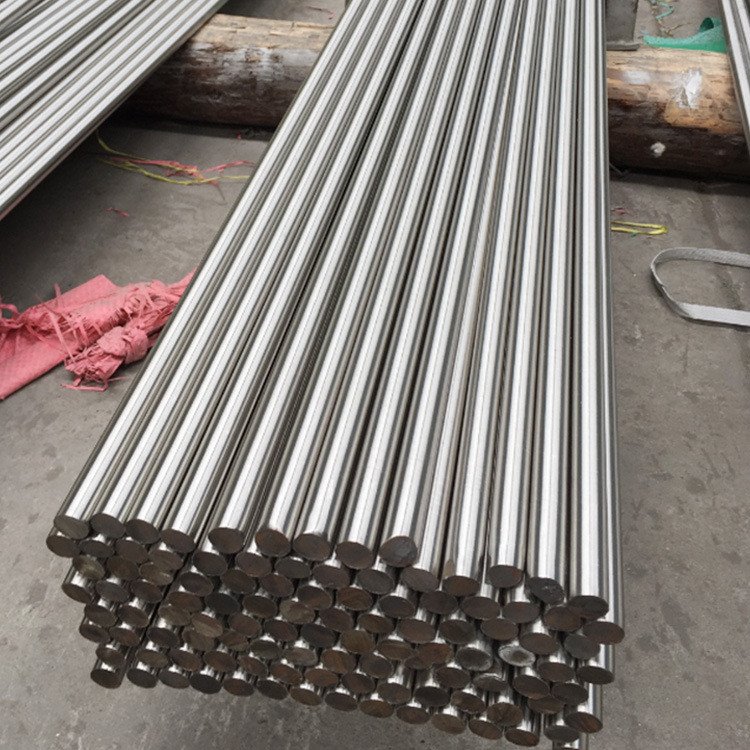
The diameter of the bar also plays a huge role. Generally, the larger the diameter of the stainless steel bar, the larger the bending radius needs to be. A small - diameter Stainless Steel Round Bar can be bent into a tighter curve compared to a thick one. This is because a larger bar has more material to bend, and forcing it into a small radius can lead to internal stresses that cause the bar to fail.
Measuring the Bending Radius
Measuring the bending radius isn't too complicated, but it does require some attention to detail. You'll need a few tools, like a flexible measuring tape and a protractor. First, mark the point where the bend starts and ends on the bar. Then, use the measuring tape to measure the arc length of the bend. The protractor comes in handy to measure the angle of the bend.
Once you have these measurements, you can use a simple formula to calculate the bending radius. The formula is (R=\frac{L}{\theta}), where (R) is the bending radius, (L) is the arc length of the bend, and (\theta) is the angle of the bend in radians. If you measured the angle in degrees, you'll need to convert it to radians first. To convert degrees to radians, use the formula (\theta_{radians}=\frac{\pi}{180}\times\theta_{degrees}).
Why Does the Bending Radius Matter?
The bending radius is super important for several reasons. In construction, if you're using stainless steel bars for things like handrails or support structures, getting the right bending radius ensures that the bars can withstand the loads they'll be subjected to. A bar bent with too small a radius might develop weak points that could lead to failure over time.
In manufacturing, especially in the automotive or aerospace industries, precise bending radii are essential for parts to fit together correctly. For example, if a stainless steel bar is part of a complex engine component, even a slight deviation in the bending radius can cause the whole system to malfunction.
Working with Different Stainless Steel Grades
As I mentioned earlier, different grades of stainless steel have different bending characteristics. 304 stainless steel is one of the most commonly used grades. It's known for its good corrosion resistance and relatively high ductility, which means it can be bent into a relatively small radius compared to some other grades.
On the other hand, 201 stainless steel, while more budget - friendly, might require a slightly larger bending radius. This is because it's not as ductile as 304 in some cases. When working with 201, it's important to be a bit more cautious during the bending process to avoid cracking.
Tips for Bending Stainless Steel Bars
If you're planning to bend stainless steel bars, here are some tips to keep in mind. First, make sure you're using the right equipment. A hydraulic bender is often a good choice as it can provide a consistent and controlled bending force.
Pre - heating the bar can also make the bending process easier, especially for larger - diameter bars or less ductile grades. However, you need to be careful not to overheat the bar as this can change its properties.
It's also a good idea to do some test bends on scrap pieces of the same grade and diameter of stainless steel bar. This way, you can figure out the optimal bending radius and process before working on the actual project.
Our Role as a Supplier
As a stainless steel bar supplier, we understand the importance of providing our customers with accurate information about bending radii. We can offer guidance on which grade of stainless steel is best suited for your specific bending needs. Whether you're looking for a 201 Stainless Steel Bar for a cost - effective solution or a 304 Stainless Steel Bar for its superior properties, we've got you covered.
We source our stainless steel bars from high - quality manufacturers and ensure that they meet all the necessary standards. Our team of experts can also help you with any technical questions you might have about bending, such as the best way to achieve a particular bending radius or how to deal with potential issues during the bending process.
Conclusion
In conclusion, the bending radius of a stainless steel bar is a critical factor that depends on various elements like the grade of stainless steel and the diameter of the bar. Understanding the bending radius is essential for ensuring the success of your projects, whether it's in construction, manufacturing, or any other industry.

If you're in the market for stainless steel bars and need more information about bending radii or want to discuss your specific requirements, don't hesitate to reach out. We're here to help you make the right choice and get the best - quality stainless steel bars for your needs. Let's work together to ensure your projects are a success!
References
- ASM Handbook, Volume 1: Properties and Selection: Irons, Steels, and High - Performance Alloys
- The Stainless Steel Book, 4th Edition by David A. Woodford