Hey there! As a supplier of galvanized steel, I've seen firsthand how crucial proper storage is to maintain the quality of this versatile material. Galvanized steel is steel that's been coated with a layer of zinc to prevent rusting, making it super popular in construction, automotive, and many other industries. But if you don't store it right, all that protection can go down the drain. So, what's the best way to store galvanized steel? Let's dive in.
Understanding Galvanized Steel
Before we talk about storage, it's important to understand what galvanized steel is and how it works. The zinc coating on galvanized steel acts as a sacrificial anode, meaning it corrodes before the steel underneath does. This provides long - term protection against rust and corrosion. However, certain environmental conditions can speed up the corrosion of the zinc coating, so proper storage is essential.
Ideal Storage Conditions
Temperature
The temperature of the storage area plays a big role. Galvanized steel should be stored in a place where the temperature is relatively stable. Extreme temperature fluctuations can cause condensation to form on the steel surface. Condensation is bad news because it can lead to the formation of white rust, a powdery zinc corrosion product. A temperature range of around 10 - 30°C (50 - 86°F) is generally ideal.
Humidity
Humidity is another major factor. High humidity levels can also cause condensation and accelerate the corrosion process. The relative humidity in the storage area should be kept below 60%. If the humidity can't be controlled naturally, you might want to consider using dehumidifiers. These devices can help maintain a dry environment and protect your galvanized steel from moisture - related damage.
Ventilation
Good ventilation is key. Proper air circulation helps prevent the buildup of moisture and fumes. Storing galvanized steel in a well - ventilated area can reduce the risk of corrosion. You can use fans or open windows and doors to ensure that fresh air is constantly flowing through the storage space.
Storage Location
Indoor Storage
Indoor storage is usually the best option for galvanized steel. It provides protection from the elements, such as rain, snow, and direct sunlight. A warehouse or a covered shed is a great choice. Make sure the storage area is clean and free from any chemicals or substances that could react with the zinc coating.
Outdoor Storage
If you have to store galvanized steel outdoors, you need to take extra precautions. First, the steel should be placed on a raised platform to prevent contact with the ground. The ground can hold moisture, which can transfer to the steel. You can use wooden pallets or concrete blocks for this purpose. Also, cover the steel with a waterproof tarp. But make sure the tarp is breathable to prevent condensation from getting trapped inside.
Storage Arrangement
Stacking
When stacking galvanized steel, be careful not to stack it too high. Over - stacking can cause deformation, especially if the steel is in the form of sheets or coils. The weight of the upper layers can press down on the lower ones, leading to dents and other damage. Also, make sure there is enough space between the stacks to allow for proper air circulation.
Separation
It's a good idea to separate different types of galvanized steel products. For example, if you're storing S350GD+AZ Galvanised Steel Coil and Hot Dipped Galvanized Square Tube, keep them in different areas. This helps prevent any potential damage that could occur if they rub against each other during storage.
Protection During Storage
Coating
Some galvanized steel products come with an additional protective coating. This coating can provide extra protection during storage. If your galvanized steel has such a coating, make sure not to damage it when handling or storing the material.
Inspection
Regular inspections are a must. Check the galvanized steel for any signs of damage, corrosion, or deformation. If you notice any issues early on, you can take steps to prevent further damage. For example, if you see a small area of white rust, you can clean it off and apply a protective coating.


Handling During Storage
Lifting
When moving galvanized steel in storage, use proper lifting equipment. Forklifts or cranes should have padded attachments to prevent scratching the zinc coating. Scratches can expose the underlying steel to the elements, increasing the risk of corrosion.
Cleaning
Keep the storage area clean. Any dirt, debris, or chemicals on the floor or shelves can transfer to the galvanized steel. Regularly sweep and mop the storage area, and make sure to clean up any spills immediately.
Special Considerations for Different Galvanized Steel Products
Coils
Galvanized steel coils should be stored horizontally on a flat surface. This helps prevent the coils from deforming. Also, make sure the coils are properly secured to prevent them from rolling or shifting.
Tubes and Pipes
For Hot Dipped Galvanized Square Tube and other types of tubes and pipes, they can be stored in racks. The racks should be designed to support the weight of the tubes evenly and prevent them from touching each other.
Sheets
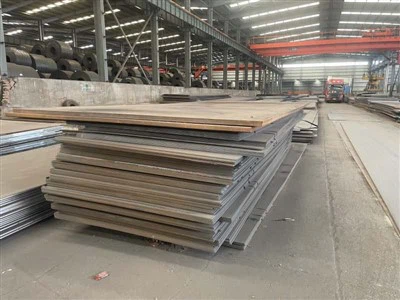
Galvanized steel sheets should be stored flat. You can stack them, but make sure to use spacers between the sheets to prevent scratching.
Conclusion
Proper storage of galvanized steel is essential to maintain its quality and extend its lifespan. By following these guidelines on temperature, humidity, ventilation, storage location, arrangement, protection, and handling, you can ensure that your galvanized steel stays in top - notch condition.
As a galvanized steel supplier, I'm always here to help you with any questions you might have about storage or our products like S350GD+AZ Galvanised Steel Coil, Hot Dipped Galvanized Square Tube, and DX51D+Z, SGCC, Prepainted Galvanised Steel. If you're interested in purchasing galvanized steel for your project, don't hesitate to reach out for a chat. We can discuss your specific needs and find the best solutions for you.
References
- "Galvanizing Handbook" by the International Zinc Association
- "Corrosion of Metals" by Uhlig and Revie