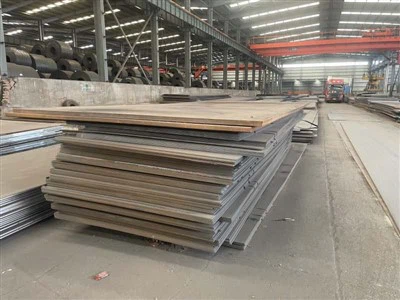
Hey there! As a spring steel supplier, I often get asked about the difference between spring steel and regular steel. It's a great question, and one that's important to understand if you're in the market for steel products. So, let's dive in and explore the ins and outs of these two types of steel.
What is Regular Steel?
First off, let's talk about regular steel. Regular steel, also known as carbon steel, is one of the most commonly used materials in the world. It's made primarily from iron and carbon, with small amounts of other elements like manganese, sulfur, phosphorus, and silicon. The carbon content in regular steel typically ranges from 0.05% to 2.0%, which gives it its strength and hardness.
Regular steel comes in a variety of forms, including mild steel, medium carbon steel, and high carbon steel. Mild steel, which has a low carbon content (less than 0.3%), is soft and ductile, making it easy to form and weld. It's commonly used in construction, automotive manufacturing, and general engineering applications. Medium carbon steel, with a carbon content between 0.3% and 0.6%, is stronger and harder than mild steel, but still retains some ductility. It's often used in machinery parts, gears, and shafts. High carbon steel, with a carbon content above 0.6%, is very hard and strong, but also brittle. It's used in cutting tools, springs, and high-strength wires.
What is Spring Steel?
Now, let's turn our attention to spring steel. Spring steel is a type of high-carbon or alloy steel that's specifically designed to have excellent elasticity and resilience. These properties allow it to be bent or stretched and then return to its original shape without permanent deformation. Spring steel is used in a wide range of applications, including automotive suspension systems, industrial springs, and household appliances.
One of the key characteristics of spring steel is its high yield strength. Yield strength is the amount of stress a material can withstand before it starts to deform permanently. Spring steel has a much higher yield strength than regular steel, which means it can be subjected to greater forces without losing its shape. This makes it ideal for applications where elasticity and resilience are crucial.
Another important property of spring steel is its fatigue resistance. Fatigue is the weakening of a material caused by repeated loading and unloading. Spring steel is designed to withstand millions of cycles of bending and stretching without breaking or losing its elasticity. This makes it suitable for applications where the material is subjected to repeated stress, such as in springs and suspension systems.
Differences in Composition
The main difference between spring steel and regular steel lies in their composition. While regular steel is primarily made from iron and carbon, spring steel often contains additional alloying elements to enhance its properties. These alloying elements can include chromium, nickel, vanadium, and molybdenum, among others.
Chromium is a common alloying element in spring steel. It improves the steel's corrosion resistance, hardness, and strength. Nickel is another important alloying element. It increases the steel's toughness and ductility, making it more resistant to cracking and breaking. Vanadium and molybdenum are used to improve the steel's strength and hardness at high temperatures.
The addition of these alloying elements gives spring steel its unique properties, such as high elasticity, resilience, and fatigue resistance. However, it also makes spring steel more expensive than regular steel.
Differences in Heat Treatment
Another significant difference between spring steel and regular steel is the heat treatment process. Heat treatment is a crucial step in the manufacturing of spring steel, as it helps to develop the desired properties.
The heat treatment of spring steel typically involves a process called quenching and tempering. Quenching is the rapid cooling of the steel from a high temperature to room temperature. This process hardens the steel by forming a martensitic structure. However, quenching also makes the steel brittle. To reduce the brittleness and improve the toughness of the steel, it is then tempered. Tempering involves heating the steel to a lower temperature and holding it there for a specific period of time. This process allows the martensite to transform into a more ductile structure, while still maintaining the high strength and hardness of the steel.

Regular steel, on the other hand, may not undergo the same heat treatment process. Mild steel, for example, is often used in its as-rolled or normalized condition, which means it is not quenched and tempered. Medium and high carbon steels may be heat treated, but the heat treatment process is usually less complex than that of spring steel.
Differences in Applications
The differences in properties between spring steel and regular steel also lead to different applications. Regular steel is used in a wide range of applications where strength and durability are important, but elasticity and resilience are not critical. Some common applications of regular steel include:
- Construction: Regular steel is used in the construction of buildings, bridges, and other infrastructure. It provides the structural support needed to withstand the weight and forces of the structure.
- Automotive Manufacturing: Regular steel is used in the manufacturing of automotive parts, such as frames, body panels, and engine components. It provides the strength and durability needed to withstand the stresses of daily use.
- General Engineering: Regular steel is used in a variety of general engineering applications, such as machinery parts, tools, and equipment. It provides the strength and hardness needed to perform the required functions.
Spring steel, on the other hand, is used in applications where elasticity and resilience are crucial. Some common applications of spring steel include:
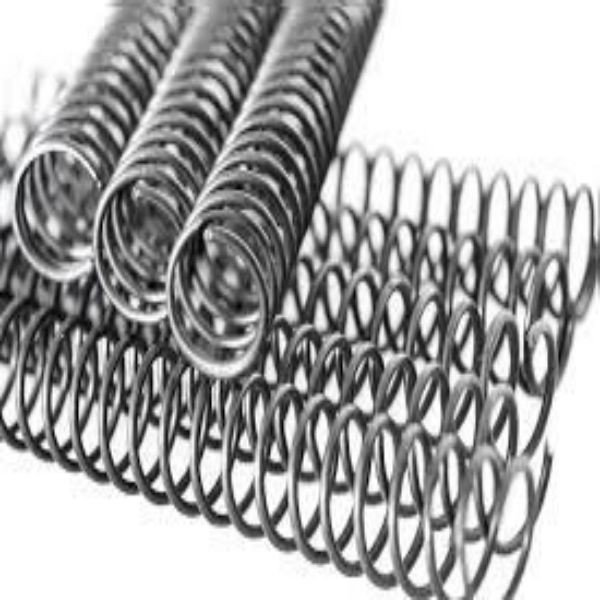
- Automotive Suspension Systems: Spring steel is used in the manufacturing of automotive suspension springs, such as coil springs and leaf springs. These springs provide the cushioning and support needed to absorb the shocks and vibrations of the road.
- Industrial Springs: Spring steel is used in the manufacturing of industrial springs, such as compression springs, extension springs, and torsion springs. These springs are used in a variety of industrial applications, such as machinery, equipment, and tools.
- Household Appliances: Spring steel is used in the manufacturing of household appliances, such as washing machines, dryers, and refrigerators. These springs are used to provide the tension and support needed to operate the appliance.
Where to Find Spring Steel
If you're in the market for spring steel, there are a few options available to you. You can find spring steel at your local hardware store or metal supplier. However, if you're looking for a wider selection of spring steel products, you may want to consider purchasing from an online supplier.
One online supplier that offers a variety of spring steel products is Stainless Spring Steels. They offer a range of stainless spring steels, including 301, 302, 304, and 316. These steels are known for their excellent corrosion resistance and high strength.
Another option is 65Mn Spring Steel. 65Mn is a high-carbon manganese spring steel that's known for its excellent elasticity and fatigue resistance. It's commonly used in the manufacturing of springs, wires, and other high-strength components.
Conclusion
In conclusion, the main difference between spring steel and regular steel lies in their composition, heat treatment, and applications. Spring steel is a type of high-carbon or alloy steel that's specifically designed to have excellent elasticity and resilience. It contains additional alloying elements and undergoes a more complex heat treatment process than regular steel. These properties make it suitable for applications where elasticity and resilience are crucial, such as in springs and suspension systems. Regular steel, on the other hand, is a more general-purpose material that's used in a wide range of applications where strength and durability are important, but elasticity and resilience are not critical.
If you're in the market for spring steel, I encourage you to reach out and discuss your specific needs with us. As a spring steel supplier, we have the expertise and experience to help you find the right product for your application. Whether you're looking for a small quantity of spring steel for a DIY project or a large order for an industrial application, we can provide you with the high-quality products and excellent customer service you deserve.
References
- ASM Handbook Volume 1: Properties and Selection: Irons, Steels, and High-Performance Alloys. ASM International.
- Metals Handbook Desk Edition, Third Edition. ASM International.
- Spring Design Manual. Associated Spring.