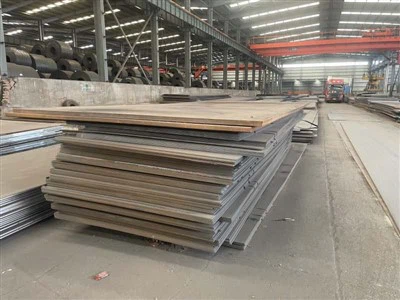
Hey there! As a spring steel supplier, I often get asked about the fatigue life of spring steel. It's a crucial topic, especially for those in industries where springs are used extensively. So, let's dive right in and explore what the fatigue life of spring steel is all about.
What is Fatigue Life?
First things first, we need to understand what fatigue life means. Fatigue life refers to the number of loading cycles a material can endure before it fails due to fatigue. In the case of spring steel, it's the number of times a spring can be compressed, extended, or flexed before it breaks or loses its elasticity.
Think of it like this: If you keep bending a paperclip back and forth, eventually, it'll break. That's fatigue failure. For spring steel, the conditions are more complex, but the basic concept is the same. Springs in real - world applications are subjected to repeated stress, and the fatigue life tells us how long they can handle that stress.
Factors Affecting the Fatigue Life of Spring Steel
There are several factors that can influence the fatigue life of spring steel. Let's take a look at some of the most important ones.
Material Composition
The composition of the spring steel plays a huge role. Different types of spring steel have different chemical compositions, which can affect their fatigue resistance. For example, Stainless Spring Steels are known for their corrosion resistance in addition to their good fatigue properties. They contain elements like chromium and nickel, which form a protective layer on the surface of the steel, preventing rust and other forms of corrosion that could reduce the fatigue life.
On the other hand, 65Mn Spring Steel is a high - carbon manganese steel. It has high strength and good hardenability, which can contribute to a relatively long fatigue life in certain applications. The manganese in 65Mn helps to improve the steel's toughness and strength, making it suitable for springs that need to withstand high - stress cycles.
Heat Treatment
Heat treatment is another critical factor. Proper heat treatment can significantly improve the fatigue life of spring steel. Processes like quenching and tempering can change the microstructure of the steel, making it stronger and more resistant to fatigue.
When spring steel is quenched, it's rapidly cooled from a high temperature, which forms a hard martensitic structure. However, this structure can be brittle. That's where tempering comes in. Tempering involves heating the quenched steel to a lower temperature and holding it there for a period of time. This reduces the brittleness and improves the toughness of the steel, enhancing its fatigue resistance.
Surface Finish
The surface finish of the spring steel also matters. A smooth surface finish can reduce stress concentrations, which are points where the stress is higher than the average stress in the material. Stress concentrations can act as initiation sites for fatigue cracks.
For example, if the surface of a spring has scratches or rough spots, these areas are more likely to experience higher stress during loading. Over time, these stress concentrations can lead to the formation of cracks, which can then propagate and cause the spring to fail. So, ensuring a good surface finish through processes like grinding or polishing can extend the fatigue life of the spring.
Loading Conditions
The way a spring is loaded has a direct impact on its fatigue life. Factors such as the magnitude of the load, the frequency of loading, and the type of loading (e.g., cyclic, shock) all play a role.

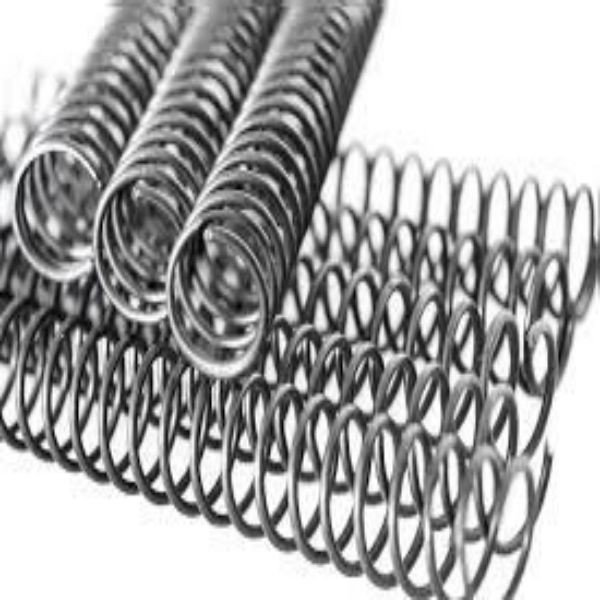
If a spring is subjected to a high - magnitude load, it will experience more stress, which can reduce its fatigue life. Similarly, a high - frequency loading cycle means that the spring is being stressed more often, increasing the likelihood of fatigue failure. Shock loading, where the spring is suddenly subjected to a large load, can also be particularly damaging to the fatigue life of the spring.
Measuring the Fatigue Life of Spring Steel
So, how do we measure the fatigue life of spring steel? There are several methods, but one of the most common is the fatigue testing.
In fatigue testing, a sample of the spring steel is subjected to a cyclic load in a controlled environment. The load is applied at a specific frequency and magnitude, and the number of cycles the sample can endure before failure is recorded. This data is then used to create a fatigue curve, which shows the relationship between the stress level and the number of cycles to failure.
The fatigue curve can be used to predict the fatigue life of a spring under different loading conditions. However, it's important to note that real - world conditions can be more complex than those in a laboratory test. Factors like environmental conditions and variations in the manufacturing process can affect the actual fatigue life of a spring.
Improving the Fatigue Life of Spring Steel
As a spring steel supplier, I'm always looking for ways to help my customers get the most out of their springs. Here are some tips on how to improve the fatigue life of spring steel.
Select the Right Material
Choosing the appropriate spring steel for the application is crucial. Consider factors like the operating environment, the loading conditions, and the required performance. For example, if the spring will be used in a corrosive environment, stainless spring steel might be a better choice. If high strength is the main requirement, 65Mn spring steel could be a good option.
Optimize Heat Treatment
Work with a reputable heat treatment provider to ensure that the spring steel is heat - treated correctly. This might involve adjusting the quenching and tempering parameters based on the specific requirements of the application.
Control Surface Finish
Pay attention to the surface finish of the spring. Use proper manufacturing processes to achieve a smooth surface. If necessary, additional surface treatments like shot peening can be used to improve the surface integrity and reduce stress concentrations.
Design the Spring Properly
The design of the spring also affects its fatigue life. Consider factors like the spring's geometry, the pitch, and the number of coils. A well - designed spring will distribute the stress more evenly, reducing the likelihood of fatigue failure.
Why Choose Our Spring Steel?
At our company, we take pride in providing high - quality spring steel with excellent fatigue life. We carefully select the raw materials, ensuring that they meet the strictest quality standards. Our state - of - the - art manufacturing processes, including precise heat treatment and surface finishing, help to maximize the fatigue resistance of our spring steel.
We also offer a wide range of spring steel products, including Stainless Spring Steels and 65Mn Spring Steel, to meet the diverse needs of our customers. Whether you're in the automotive, aerospace, or industrial sector, we have the right spring steel for your application.
If you're looking for spring steel with a long fatigue life, don't hesitate to get in touch with us. We're here to help you find the best solution for your specific requirements. Contact us today to start a conversation about your spring steel needs, and let's work together to ensure the success of your projects.
References
-ASM Handbook Volume 19: Fatigue and Fracture. ASM International.
- Metals Handbook Desk Edition, 3rd Edition. ASM International.
- Spring Design Manual. Associated Spring - Barnes Group Inc.