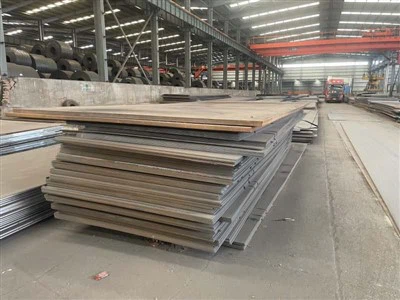
As a seasoned rebar steel supplier deeply involved in numerous construction projects, I've frequently encountered a common question from project managers, engineers, and contractors: What is the inspection frequency for rebar steel in a project? In this blog, I'll share insights based on industry standards, project requirements, and best practices.


Understanding the Significance of Rebar Steel Inspection
Rebar steel is the backbone of many construction projects, providing crucial reinforcement to concrete structures. Ensuring the quality and integrity of rebar steel is essential for the long - term safety and durability of the building. Regular inspections can detect issues such as corrosion, improper sizing, or defects in the steel, allowing for timely corrective actions.
Factors Influencing Inspection Frequency
Project Size and Complexity
Larger and more complex projects typically require more frequent inspections. For example, a high - rise building with a large - scale foundation and intricate structural design demands more attention to rebar steel. In contrast, a small - scale residential project may have a lower inspection frequency. In a multi - story commercial building project, rebar inspections might be carried out weekly or even bi - weekly during the foundation and framing stages. This is because any failure in the rebar at these critical junctures can have far - reaching consequences for the overall stability of the structure.
Environmental Conditions
The environment where the construction project is located plays a significant role in determining inspection frequency. In coastal areas where the air is highly saline, the risk of corrosion is much higher. As a result, rebar steel should be inspected more often. Similarly, in industrial areas with high levels of pollutants or in areas with extreme temperature variations, the inspection intervals should be reduced. For instance, in a construction project near a chemical plant, the rebar could be inspected every two to three weeks to ensure its quality is not compromised by the harsh environmental conditions.
Type of Rebar Steel
Different types of rebar steel have varying levels of durability and resistance to external factors. High - strength rebars like HRB 400E and HRB 500E are designed to provide enhanced performance, but they still need regular checks. Some specialized rebars with anti - corrosion coatings may have longer inspection intervals compared to uncoated rebars, as the coating provides an additional layer of protection against rust. However, it's important to note that the coating itself should also be inspected for any signs of damage.
Construction Schedule
The pace of construction can also affect inspection frequency. During peak construction periods when large volumes of rebar are being installed rapidly, more frequent inspections are necessary to catch any potential issues early. For example, if a project is on an aggressive construction schedule and multiple floors are being built simultaneously, daily or at least every - other - day inspections of the rebar installation may be required to ensure compliance with the design and safety standards.
Industry Standards for Inspection Frequency
In general, most construction industry standards recommend an initial inspection of rebar steel upon delivery to the construction site. This inspection verifies the quantity, size, and quality of the delivered rebar against the purchase order and specifications. After installation, the frequency can be adjusted based on the factors mentioned above.
For many standard building projects, a monthly inspection of the installed rebar during the construction phase is a good starting point. This allows for timely identification of any issues that may have arisen during the installation process or due to environmental exposure. However, for critical structures such as bridges, dams, or nuclear power plants, more stringent inspection schedules are required. These may involve inspections every few days or even continuous monitoring in some cases.
Inspection Procedures
When conducting rebar inspections, several key aspects should be examined. Firstly, the physical appearance of the rebar is checked for signs of corrosion, such as rust spots or flaking. The dimensions of the rebar, including its diameter and length, are measured to ensure they meet the design requirements. Additionally, the installation pattern, spacing between rebars, and the overlap length at joints are verified to comply with the engineering drawings.
Non - destructive testing methods, such as ultrasonic testing and magnetic particle inspection, can be used to detect internal defects in the rebar without causing damage. These tests are particularly useful for ensuring the integrity of high - quality rebars used in critical applications.
Our Role as a Rebar Steel Supplier
As a reliable rebar steel supplier, we understand the importance of providing high - quality products and supporting our customers in the inspection process. We ensure that all our rebars, including HRB 400E and HRB 500E, are manufactured to the highest industry standards. Our quality control team conducts rigorous inspections at every stage of production, from raw material sourcing to the final product.
We also offer technical support to our customers. If you have questions about the inspection frequency for a specific project or need guidance on rebar installation and quality control, our experts are here to assist you. We can provide detailed product specifications, inspection guidelines, and even on - site training if necessary.
Contact Us for Purchasing and Consultation
If you're in the market for high - quality rebar steel for your next project, or if you want to learn more about our products and services, we encourage you to get in touch with us. We're committed to providing you with the best rebar solutions and helping you ensure the success of your construction project. Whether you need advice on inspection frequency, product selection, or any other related issues, our team is ready to engage in a productive conversation.
References
- ACI 318 - Building Code Requirements for Structural Concrete and Commentary.
- ASTM A615/A615M - Standard Specification for Deformed and Plain Carbon - Steel Bars for Concrete Reinforcement.
- BS 4449 - Specification for carbon steel bars for the reinforcement of concrete.