Hey there! I'm a supplier of rebar steel, and I've been in this industry for quite some time. One of the most crucial aspects that often gets overlooked but is super important is the quality control during the transportation of rebar steel. Let's dive right into it.
First off, why is quality control during transportation so important? Well, rebar steel is a key construction material. It's used in buildings, bridges, and all sorts of infrastructure projects. If the rebar gets damaged during transportation, it can seriously affect its performance and the safety of the structures it's used in. So, ensuring its quality from the moment it leaves our warehouse until it reaches the construction site is a must.
Packaging and Loading
The first step in quality control starts with proper packaging. We use special wrapping materials to protect the rebar from scratches, rust, and other forms of damage. For instance, we often use plastic sleeves or coatings that act as a barrier against moisture and physical impacts. This is especially important when the rebar is going to be transported over long distances or in harsh weather conditions.


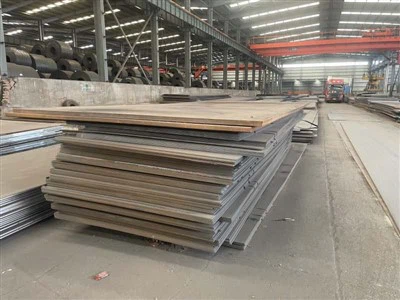
When it comes to loading, we make sure that the rebar is stacked correctly. We use appropriate equipment like cranes and forklifts to handle the rebar carefully. Overloading the trucks or containers is a big no - no. Each vehicle has a specified weight limit, and we always adhere to it. If we overload, it can cause the rebar to shift during transit, leading to potential damage.
Transportation Conditions
The environment during transportation plays a huge role in maintaining the quality of rebar steel. Temperature and humidity are two major factors. High humidity can lead to rust formation on the rebar, which weakens its strength. So, if we're transporting the rebar in a humid climate, we might use sealed containers or add desiccants to absorb the moisture.
Similarly, extreme temperatures can also have an impact. For example, if it's too hot, the rebar might expand, and if it cools down rapidly, it can develop internal stresses. We try to choose the right time of the day for transportation to avoid such extreme temperature changes. If possible, we also use insulated trucks to keep the temperature inside relatively stable.
Securing the Rebar
Once the rebar is loaded onto the vehicle, it needs to be secured properly. We use straps, chains, or other fastening devices to prevent the rebar from moving around. Loose rebar can collide with each other or with the sides of the vehicle, causing dents, bends, or even breakage. We check and double - check the security of the rebar before the vehicle departs.
Monitoring the Shipment
Thanks to modern technology, we can now monitor the shipment in real - time. We use GPS trackers to know the exact location of the vehicle at all times. This helps us in case of any delays or unexpected events. We can also install sensors to monitor factors like temperature, humidity, and vibration inside the container. If any of these parameters go out of the acceptable range, we can take immediate action. For example, if the humidity inside the container is rising, we can redirect the vehicle to a place where we can take steps to reduce it.
Inspection at the Destination
When the rebar arrives at the construction site, a final inspection is carried out. This is a crucial step to ensure that the quality has been maintained throughout the transportation process. We check for any visible signs of damage such as bends, scratches, or rust. We also perform some basic tests like checking the diameter and length of the rebar to make sure they meet the specifications.
Now, let's talk about the different types of rebar steel we supply. We have some great options like HRB 500E and HRB 400E. These are high - quality rebar steels that are widely used in construction projects. They have excellent strength and ductility, which makes them ideal for withstanding the stresses in buildings and infrastructure.
In conclusion, quality control during the transportation of rebar steel is a multi - step process that involves packaging, loading, monitoring the transportation conditions, securing the rebar, and final inspection. By paying attention to these details, we can ensure that the rebar reaches the construction site in top - notch condition.
If you're in the market for high - quality rebar steel and want to ensure that it's transported with the best quality control measures, don't hesitate to get in touch. We're always ready to discuss your needs and provide you with the best solutions.
References
- Construction Materials Handbook
- Steel Industry Best Practices Guide