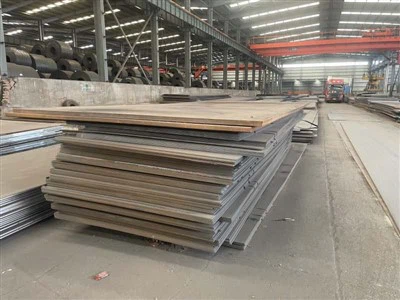
Hey there! As a supplier of stainless steel bars, I often get asked about the best welding methods for these materials. Stainless steel bars are super versatile and used in a ton of different industries, from construction to manufacturing. But welding them can be a bit tricky because you gotta pick the right method to make sure the joint is strong and corrosion - resistant. So, let's dive into what welding methods are suitable for stainless steel bars.
TIG Welding (Gas Tungsten Arc Welding - GTAW)
TIG welding is one of my top recommendations for welding stainless steel bars. It's a precise method that gives you a high - quality weld. In TIG welding, a non - consumable tungsten electrode creates an arc to melt the stainless steel. You also use a shielding gas, usually argon, to protect the weld area from contaminants in the air.
One of the biggest advantages of TIG welding is that it allows for excellent control over the heat input. This is crucial when working with stainless steel because too much heat can cause issues like distortion and the formation of chromium carbides, which can reduce the corrosion resistance of the steel. With TIG welding, you can make small, precise welds, which is great for thin stainless steel bars or when you need a clean, aesthetically pleasing finish.
For example, if you're working on a project that involves 201 Stainless Steel Bar, TIG welding can help you maintain the integrity of the material. The 201 grade is a cost - effective option, but it's also more prone to corrosion compared to some other grades. By using TIG welding, you can minimize the heat - affected zone and reduce the risk of corrosion.
However, TIG welding is a relatively slow process, and it requires a high level of skill. You need to have good hand - eye coordination to feed the filler metal (if needed) while controlling the arc. But if you're willing to put in the time to learn, it can produce some really great results.
MIG Welding (Gas Metal Arc Welding - GMAW)
MIG welding is another popular choice for welding stainless steel bars. It's faster than TIG welding, which makes it a great option for larger projects or when you need to weld thick bars. In MIG welding, a consumable wire electrode is fed through a welding gun, and an arc is created between the electrode and the stainless steel. A shielding gas, usually a mixture of argon and carbon dioxide, is used to protect the weld.
One of the benefits of MIG welding is its ease of use. It's generally easier to learn than TIG welding, especially for beginners. You can also achieve high deposition rates, which means you can weld more material in less time. This is really useful when you're working on a production - line setting.
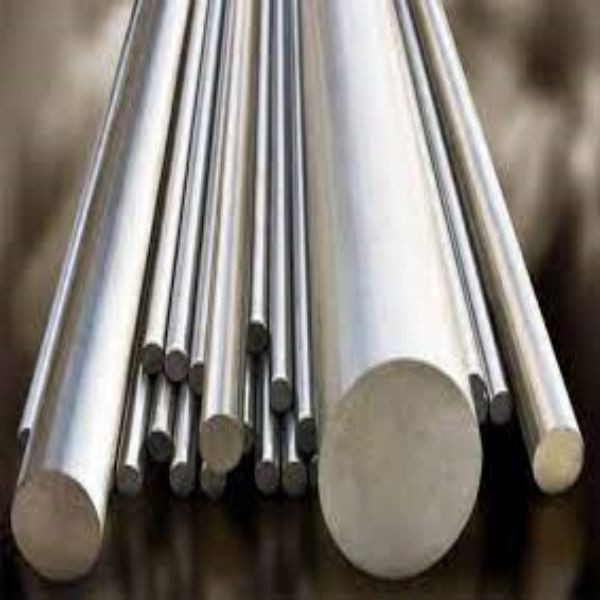
When it comes to Stainless Steel Round Bar, MIG welding can be a great option. The round shape can sometimes make it a bit challenging to weld evenly, but MIG welding's ability to deposit metal quickly can help you get a good, strong weld. You just need to make sure you adjust the welding parameters correctly, such as the wire feed speed and the voltage, to ensure a proper weld.
However, MIG welding can produce more spatter compared to TIG welding, and it may not be as precise. The heat input is also higher, which can lead to more distortion in thin materials. But with the right techniques and equipment, you can still get good results with MIG welding.
Stick Welding (Shielded Metal Arc Welding - SMAW)
Stick welding is a tried - and - true method that's been around for a long time. It's a relatively simple process that uses a consumable electrode coated in flux. When the electrode is struck against the stainless steel, an arc is created, and the electrode melts, depositing filler metal into the weld joint. The flux on the electrode creates a shielding gas to protect the weld from oxidation.
Stick welding is great for outdoor applications or when you don't have access to a shielding gas supply. It's also very versatile and can be used on a variety of stainless steel grades, including 316 Stainless Steel Bar. The 316 grade is known for its excellent corrosion resistance, especially in harsh environments, and stick welding can be used to join these bars effectively.
One of the advantages of stick welding is its portability. You don't need a complex setup like you do with MIG or TIG welding. You just need a welding machine and some electrodes, and you're good to go. However, stick welding can be a bit messy, and it requires a fair amount of skill to control the arc and prevent issues like porosity in the weld. The welds also tend to be less smooth compared to TIG and MIG welding.
Plasma Arc Welding (PAW)
Plasma arc welding is a more advanced welding method that's similar to TIG welding but with some key differences. In plasma arc welding, a constricted arc is created between a tungsten electrode and the workpiece. The arc is then forced through a small orifice, which creates a high - velocity plasma jet. This plasma jet can melt the stainless steel and create a weld.
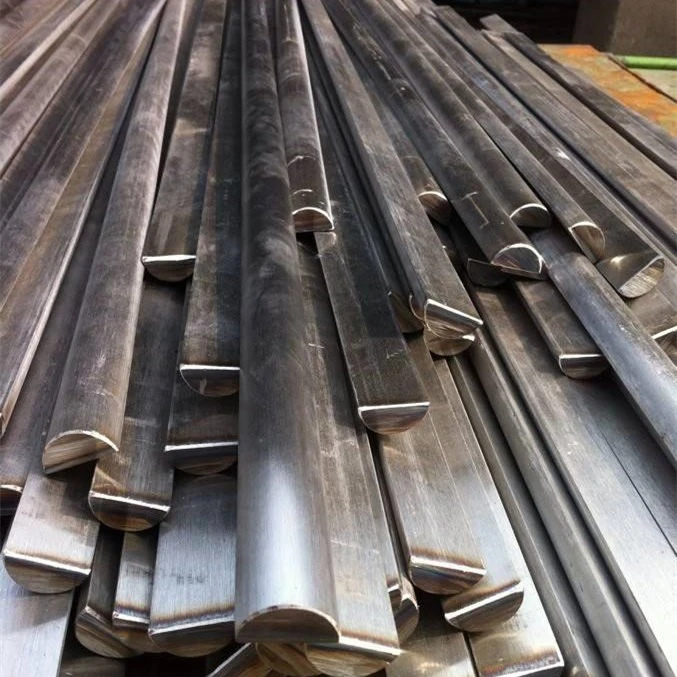
Plasma arc welding offers several advantages. It has a higher energy density compared to TIG welding, which means it can weld faster and penetrate deeper. It also provides better control over the arc and the weld pool, resulting in more precise welds. This method is particularly useful for welding thin stainless steel bars with high precision requirements.
However, plasma arc welding requires specialized equipment, which can be expensive. It also requires a high level of skill to operate correctly. But if you're working on high - end projects where precision and quality are of the utmost importance, it can be a great option.
Factors to Consider When Choosing a Welding Method
When deciding which welding method to use for your stainless steel bars, there are several factors you need to consider.
First, think about the thickness of the bars. For thin bars, TIG or plasma arc welding may be the best choice because they offer better control over the heat input and can minimize distortion. For thicker bars, MIG or stick welding may be more suitable as they can deposit more metal quickly.
The grade of the stainless steel is also important. Different grades have different properties, such as corrosion resistance and strength. Some grades may be more sensitive to heat, so you need to choose a welding method that minimizes the heat - affected zone.
The application of the welded bars is another factor. If the bars will be used in a corrosive environment, you need to make sure the welding method doesn't compromise the corrosion resistance of the steel. If aesthetics are important, you may want to choose a method that produces a clean, smooth weld, like TIG welding.
Finally, consider your skill level and the available equipment. Some methods, like TIG and plasma arc welding, require more skill and specialized equipment. If you're a beginner, you may want to start with a simpler method like MIG or stick welding.
Conclusion
In conclusion, there are several welding methods suitable for stainless steel bars, each with its own advantages and disadvantages. TIG welding offers precision and high - quality welds, MIG welding is fast and relatively easy to learn, stick welding is portable and versatile, and plasma arc welding provides high - precision and high - speed welding.
As a stainless steel bar supplier, I'm here to help you choose the right welding method for your project. Whether you're working on a small DIY project or a large - scale industrial application, we can provide you with the best quality stainless steel bars and offer advice on the welding process.
If you're interested in purchasing stainless steel bars or have any questions about welding them, feel free to reach out. We're always happy to have a chat and help you find the best solutions for your needs. Let's work together to make your project a success!
References
- AWS Welding Handbook, Volume 1: Welding Science and Technology
- Welding Metallurgy of Stainless Steels by John C. Lippold and David J. Kotecki
- The Welding Institute (TWI) - Technical Reports on Stainless Steel Welding