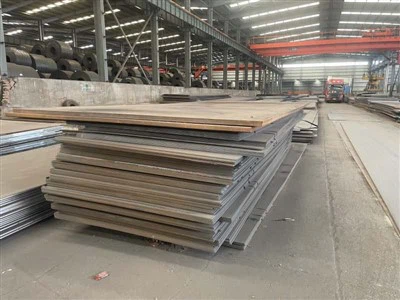
Can I weld a stainless steel bar? This is a question that often pops up among DIY enthusiasts, professional welders, and those involved in construction and manufacturing projects. As a trusted Stainless Steel Bar supplier, I'm here to shed light on this topic and provide you with comprehensive insights.
Understanding Stainless Steel Bars
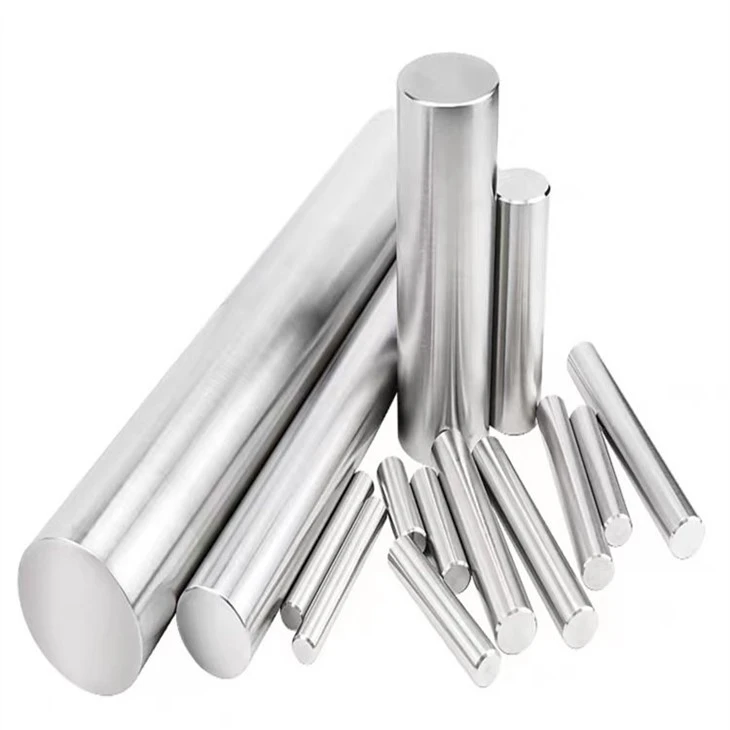
Before we delve into the welding aspect, let's first understand what stainless steel bars are. Stainless steel bars are solid metal rods made from stainless steel, an alloy primarily composed of iron, chromium, and nickel. The chromium content in stainless steel forms a protective oxide layer on the surface, which gives it its corrosion - resistant properties.
There are different types of stainless steel bars available in the market, each with its own unique characteristics and applications. For instance, Stainless Steel Round Bar is one of the most common types. It has a circular cross - section and is widely used in various industries due to its versatility.
Another popular type is the 316 Stainless Steel Bar. It contains molybdenum, which enhances its corrosion resistance, especially in environments with high chloride content such as coastal areas or chemical processing plants.
The 304 Stainless Steel Bar is also a widely used option. It is known for its good formability, weldability, and general corrosion resistance, making it suitable for a wide range of applications, from kitchen equipment to architectural structures.
Weldability of Stainless Steel Bars
The short answer to the question "Can I weld a stainless steel bar?" is yes, you can. However, welding stainless steel bars is not as straightforward as welding some other metals. There are several factors to consider to ensure a successful weld.
Material Compatibility
One of the most important factors is the compatibility of the stainless steel bar with the welding filler material. Different grades of stainless steel have different chemical compositions, and using the wrong filler material can lead to poor weld quality, such as cracking or reduced corrosion resistance. For example, when welding a 304 stainless steel bar, it is recommended to use a 308 or 309 filler material, which has similar chemical properties to 304 stainless steel.
Heat Input
Stainless steel has a relatively low thermal conductivity compared to other metals. This means that during welding, heat can build up quickly in the welded area, leading to issues such as distortion, grain growth, and the formation of undesirable phases. Controlling the heat input is crucial to prevent these problems. Welders can use techniques such as pulse welding or adjusting the welding current and speed to manage the heat input effectively.
Shielding Gas
Shielding gas is used in welding to protect the molten weld pool from atmospheric contamination. When welding stainless steel bars, argon or a mixture of argon and carbon dioxide is commonly used as the shielding gas. The shielding gas helps to prevent oxidation and the formation of weld defects, ensuring a clean and strong weld.
Welding Processes for Stainless Steel Bars
There are several welding processes that can be used to weld stainless steel bars, each with its own advantages and limitations.
TIG Welding (Tungsten Inert Gas Welding)
TIG welding is a popular choice for welding stainless steel bars, especially when high - quality welds are required. In TIG welding, a non - consumable tungsten electrode is used to create an arc, and a separate filler rod can be added to the weld pool if needed. TIG welding allows for precise control of the heat input and the weld bead, resulting in clean and aesthetically pleasing welds. It is suitable for thin and thick stainless steel bars alike.

MIG Welding (Metal Inert Gas Welding)
MIG welding is a faster welding process compared to TIG welding. In MIG welding, a consumable wire electrode is fed continuously into the weld pool, and a shielding gas is used to protect the weld. MIG welding is relatively easy to learn and can be used for welding larger stainless steel bars. However, it may require more skill to achieve high - quality welds, especially when dealing with thin materials.
Stick Welding (Shielded Metal Arc Welding)
Stick welding is a versatile welding process that can be used in various environments. It uses a consumable electrode coated with a flux that provides the shielding gas during welding. Stick welding is suitable for welding thicker stainless steel bars and can be used outdoors or in dirty environments. However, the weld quality may not be as high as that of TIG or MIG welding, and it requires more post - welding cleaning.
Pre - welding and Post - welding Considerations
Pre - welding
Before welding a stainless steel bar, it is important to prepare the surface properly. This includes cleaning the bar to remove any dirt, oil, grease, or oxide layers. A wire brush or a chemical cleaner can be used for this purpose. Additionally, pre - heating the stainless steel bar may be necessary in some cases, especially when welding thick sections or high - carbon stainless steel grades.
Post - welding
After welding, the welded area should be cleaned to remove any slag or spatter. It is also recommended to perform a post - weld heat treatment (PWHT) to relieve residual stresses and improve the corrosion resistance of the weld. PWHT involves heating the welded area to a specific temperature and then cooling it slowly.
Applications of Welded Stainless Steel Bars
Welded stainless steel bars are used in a wide range of applications across various industries. In the construction industry, they are used for structural components, handrails, and architectural features. In the food and beverage industry, welded stainless steel bars are used for equipment such as tanks, pipes, and conveyor systems due to their corrosion resistance and hygienic properties. In the automotive and aerospace industries, welded stainless steel bars are used for parts that require high strength and corrosion resistance.
Conclusion
In conclusion, welding a stainless steel bar is indeed possible, but it requires careful consideration of several factors such as material compatibility, heat input, shielding gas, and the choice of welding process. By following the proper procedures and taking the necessary precautions, you can achieve high - quality welds on stainless steel bars.
As a leading Stainless Steel Bar supplier, we offer a wide range of high - quality stainless steel bars to meet your specific needs. Whether you are a professional welder or a DIY enthusiast, we can provide you with the right materials and technical support. If you are interested in purchasing stainless steel bars or have any questions about welding them, please feel free to contact us for further discussion and procurement negotiations.
References
- ASME Boiler and Pressure Vessel Code, Section IX - Welding and Brazing Qualifications
- AWS D1.6: Structural Welding Code - Stainless Steel
- Welding Metallurgy and Weldability of Stainless Steels by John C. Lippold and David J. Kotecki