Hey there! As a supplier of stainless pipes, I often get asked if stainless pipes can be used in the HVAC (Heating, Ventilation, and Air Conditioning) industry. Well, let me tell you, the answer is a big yes! In this blog, I'll dive deep into why stainless pipes are a great choice for HVAC systems, their benefits, and some key considerations.
First off, let's talk about what makes stainless pipes so special. Stainless steel is an alloy that contains chromium, which forms a passive oxide layer on the surface of the metal. This layer acts as a shield, protecting the pipe from corrosion, rust, and staining. It's this unique property that makes stainless pipes highly durable and long - lasting, even in harsh environments.
One of the main reasons stainless pipes are suitable for the HVAC industry is their corrosion resistance. HVAC systems often deal with moisture, humidity, and sometimes even chemicals. For example, in cooling towers, where water is constantly circulating and exposed to the atmosphere, there's a high risk of corrosion. Stainless pipes can withstand these conditions without deteriorating, ensuring the integrity of the system over time.
Another advantage is their strength. Stainless steel has a high strength - to - weight ratio, which means it can handle high pressures and mechanical stresses. In HVAC systems, pipes need to transport air and fluids under various pressures. Whether it's the high - pressure refrigerant lines in an air - conditioning unit or the ductwork that distributes heated or cooled air throughout a building, stainless pipes can handle the job.
Now, let's touch on the heat transfer properties. Stainless steel has decent heat transfer capabilities. In HVAC, efficient heat transfer is crucial for the proper functioning of heating and cooling systems. For instance, in a heat exchanger, where heat is transferred between two fluids, stainless pipes can help facilitate this process effectively.
In addition to these technical benefits, stainless pipes are also easy to install and maintain. They come in a variety of sizes and shapes, making it easy to fit them into different HVAC system designs. And when it comes to maintenance, a simple cleaning routine can keep them in good condition for years.
But it's not all sunshine and rainbows. There are a few things to consider when using stainless pipes in the HVAC industry. Cost is one factor. Stainless steel pipes are generally more expensive than some other materials like carbon steel. However, when you factor in their long lifespan and low maintenance requirements, the cost - effectiveness becomes more apparent in the long run.
Another consideration is the welding process. Welding stainless steel requires some expertise because improper welding can affect the corrosion resistance of the pipes. It's important to use the right welding techniques and filler materials to ensure a strong and corrosion - resistant joint.
Now, let's look at some specific applications of stainless pipes in the HVAC industry. In commercial buildings, stainless steel ductwork is often used to distribute air. It can be customized to fit the layout of the building, and its smooth surface reduces air resistance, which helps in energy efficiency.
In industrial HVAC systems, stainless pipes are used for refrigerant lines. The high - pressure and corrosive nature of refrigerants make stainless steel an ideal choice. It can prevent leaks and ensure the safe and efficient operation of the refrigeration cycle.
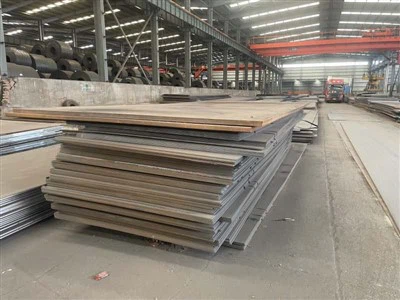
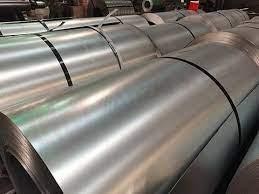
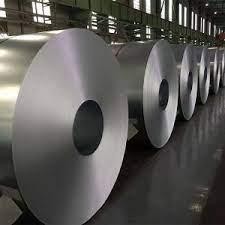
Let's also mention some related products that might be of interest. If you're looking for high - strength steel products, you might want to check out Q960D. And for those in need of carbon steel plates suitable for high - temperature applications, High Temperature Carbon Steel Plate could be a great option. Also, S350GD+AZ Galvanised Steel Coil has its own uses in the construction and HVAC - related industries.
In conclusion, stainless pipes are definitely a viable option for the HVAC industry. Their corrosion resistance, strength, heat transfer properties, and ease of installation and maintenance make them a great choice for various applications. While there are some considerations like cost and welding requirements, the benefits far outweigh the drawbacks.
If you're in the market for stainless pipes for your HVAC project, I'd love to have a chat with you. Whether you're a contractor, an engineer, or a facility manager, I can help you find the right stainless pipes for your specific needs. Let's start a conversation about how we can make your HVAC system more efficient and reliable with our high - quality stainless pipes.
References:
- "Stainless Steel Handbook"
- Industry reports on HVAC system materials and applications