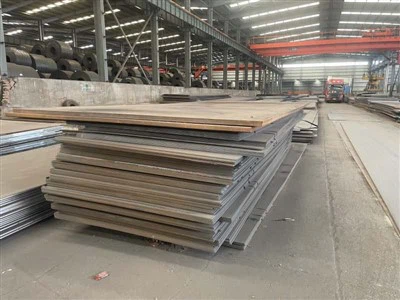
Corten steel, also known as weathering steel, has gained significant popularity in various industries due to its unique aesthetic appeal and excellent corrosion resistance. As a Corten steel supplier, I often receive inquiries from customers regarding whether Corten steel stains surrounding materials. In this blog post, I will delve into this topic and provide a comprehensive analysis based on scientific knowledge and practical experience.
Understanding Corten Steel
Corten steel is a group of steel alloys that were developed to eliminate the need for painting and to form a stable rust - like appearance when exposed to the elements. The corrosion resistance of Corten steel comes from the formation of a protective oxide layer on its surface. This layer, known as patina, is a complex mixture of iron oxides and other compounds that gradually develops over time as the steel is exposed to oxygen, moisture, and other environmental factors.
The patina acts as a barrier that slows down the further corrosion of the steel. It adheres tightly to the steel surface and provides long - term protection, making Corten steel suitable for outdoor applications such as architectural facades, sculptures, and bridges.

Factors Affecting Staining of Surrounding Materials
1. Environmental Conditions
The staining potential of Corten steel on surrounding materials is highly influenced by environmental conditions. In areas with high humidity, frequent rainfall, or industrial pollution, the patina formation process may be accelerated. The water that runs off the Corten steel surface can carry iron oxide particles, which may deposit on nearby materials. For example, in a coastal area where the air is salty and humid, the salt can react with the steel and increase the amount of runoff containing iron oxides. If there are porous materials such as concrete, stone, or wood in the vicinity, these iron oxide particles can penetrate the surface and cause staining.
2. Proximity and Contact
The distance between Corten steel and surrounding materials also plays a crucial role. If the surrounding materials are in direct contact with Corten steel or are located very close to it, the likelihood of staining is higher. For instance, when Corten steel is used as a cladding material on a building and there are windowsills or adjacent walls made of lighter - colored materials, the runoff from the Corten steel may splash or drip onto these surfaces, leaving behind visible stains.
3. Material Properties of Surroundings
The porosity and absorbency of the surrounding materials are important factors. Porous materials like uncoated concrete, natural stone, and untreated wood are more prone to staining compared to non - porous materials such as glass, metal with a protective coating, or plastic. The iron oxide particles in the runoff can easily penetrate the pores of porous materials and become embedded, resulting in permanent stains.
Case Studies and Real - World Observations
In many architectural projects where Corten steel has been used, there have been instances of staining on surrounding materials. For example, in a public plaza where Corten steel sculptures were installed, the nearby concrete benches and walkways started to show signs of staining after a few months. The runoff from the sculptures, especially during heavy rain, carried iron oxide particles that adhered to the concrete surface.
On the other hand, in a project where Corten steel was used for a building facade and the adjacent windows were made of glass, there was no visible staining on the glass. This is because glass is a non - porous material, and the iron oxide particles simply washed off the surface without causing any permanent marks.
Preventive Measures
1. Proper Design and Installation
During the design and installation phase, it is essential to consider the potential for staining. Adequate drainage systems should be incorporated to direct the runoff away from surrounding materials. For example, installing drip edges or gutters on Corten steel structures can prevent water from running directly onto adjacent surfaces.
2. Protective Coatings
Applying protective coatings to the surrounding materials can significantly reduce the risk of staining. For porous materials like concrete and wood, a sealant can be used to create a barrier that prevents the penetration of iron oxide particles. Similarly, a clear protective coating can be applied to Corten steel itself to reduce the amount of runoff.
3. Maintenance
Regular maintenance can also help minimize staining. Cleaning the surrounding materials periodically can remove any iron oxide deposits before they become permanent stains. For Corten steel, gentle washing with water can help keep the patina layer in good condition and reduce the amount of loose iron oxide particles.
Our Corten Steel Products
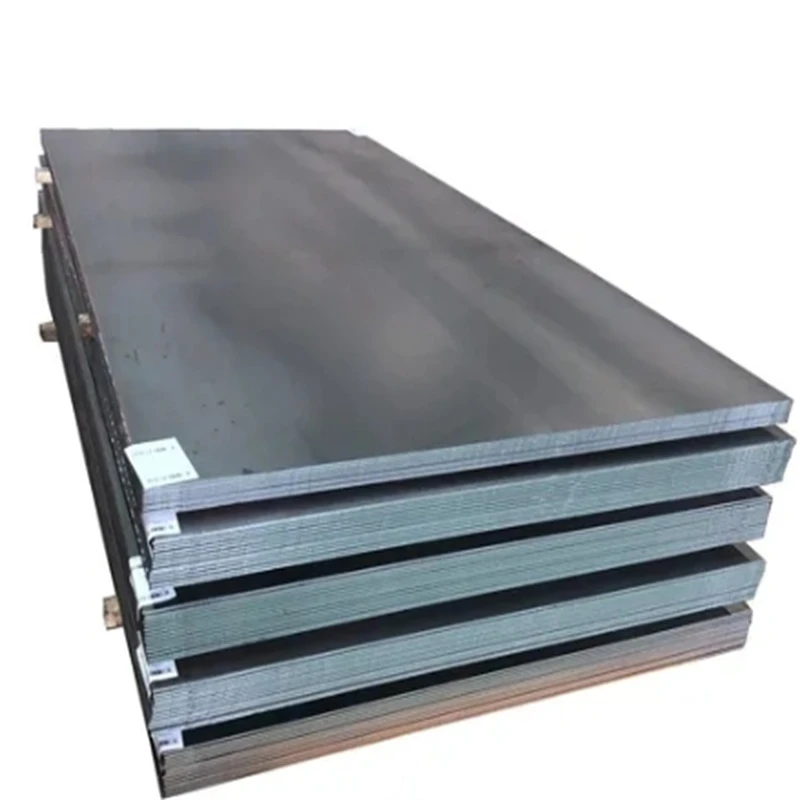
As a Corten steel supplier, we offer a wide range of high - quality Corten steel products. Our Q235NH Weathering Steel Large Inventory is known for its excellent corrosion resistance and is available in large quantities to meet your project needs. We also provide Q345B Carbon Steel Square Tube, which is suitable for various structural applications. And our Hot Rolled Weathering Corten Steel Plate is ideal for architectural and industrial uses.
Conclusion
In conclusion, Corten steel has the potential to stain surrounding materials, especially in certain environmental conditions and when in close proximity to porous materials. However, with proper design, installation, protective measures, and maintenance, the risk of staining can be effectively managed. As a Corten steel supplier, we are committed to providing our customers with high - quality products and professional advice to ensure the success of their projects. If you are interested in our Corten steel products or have any questions regarding staining prevention, please feel free to contact us for procurement and further discussion.
References
- "Corrosion of Metals in the Atmosphere" by Leygraf, C., & Graedel, T. E.
- "Architectural Metals: A Guide to Specification" by Sullivan, D.