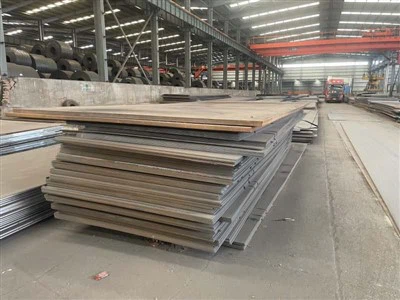
Hey there! As a supplier of U - Rib Steel Plate, I've had my fair share of experiences in this industry. Today, I'm gonna share with you the key design considerations when using U - Rib Steel Plate.
1. Structural Requirements
First off, we gotta think about the structural needs of the project. U - Rib Steel Plates are often used in bridges, especially in orthotropic steel decks. The shape of the U - rib provides excellent stiffness and strength, which is crucial for handling heavy loads. For instance, in a large - span bridge, the U - rib steel plates need to be designed to withstand the dynamic loads from traffic, wind, and even seismic activities.
The spacing between U - ribs is a vital factor. If the spacing is too large, the steel plate may experience excessive deflection under load, leading to potential fatigue cracks. On the other hand, if the spacing is too small, it can increase the weight of the structure and the cost of materials and fabrication. A proper balance must be struck based on the specific load conditions and the overall design of the structure.
Another aspect is the thickness of the U - rib and the steel plate. Thicker plates can generally handle higher loads, but they also add to the weight. So, engineers need to carefully calculate the required thickness to ensure the safety and durability of the structure while keeping the weight in check.
2. Material Selection
The choice of steel material for U - Rib Steel Plates is super important. Different types of steel have different mechanical properties, such as yield strength, tensile strength, and ductility. High - strength steels are often preferred for large - scale projects as they can provide the necessary strength with less material, reducing the overall weight of the structure.
However, high - strength steels may also have some drawbacks. They can be more difficult to weld, and they may be more susceptible to brittle fracture under certain conditions. So, it's essential to consider the welding process and the service environment when selecting the steel material. For example, if the bridge is located in a cold region, a steel with good low - temperature toughness should be chosen to prevent brittle fracture during cold weather.
We also need to pay attention to the quality of the steel. The steel should be free from defects such as cracks, inclusions, and porosity. Regular inspections and quality control measures should be in place during the manufacturing process to ensure the quality of the U - Rib Steel Plates.
3. Welding Design
Welding is a critical process in the fabrication of U - Rib Steel Plates. The welding joints need to be designed to ensure high - strength and good fatigue resistance. The type of welding joint, such as butt joints or fillet joints, should be selected based on the specific requirements of the structure.
The welding process parameters, such as welding current, voltage, and welding speed, need to be carefully controlled. Improper welding parameters can lead to welding defects, such as lack of fusion, porosity, and cracks. These defects can significantly reduce the strength and durability of the U - Rib Steel Plates.
In addition, the arrangement of welding seams should be designed to minimize stress concentration. Stress concentration can occur at the ends of welding seams or at the intersections of multiple welding seams. By optimizing the welding seam arrangement, we can reduce the risk of fatigue cracks and improve the overall performance of the structure.


4. Corrosion Protection
Corrosion is a major concern when using U - Rib Steel Plates, especially in environments where they are exposed to moisture, salt, and other corrosive substances. A proper corrosion protection system should be designed to ensure the long - term durability of the plates.
One common method is to apply a protective coating on the surface of the U - Rib Steel Plates. The coating can act as a barrier between the steel and the corrosive environment, preventing direct contact and reducing the rate of corrosion. There are different types of coatings available, such as epoxy coatings, zinc - rich coatings, and polyurethane coatings. The choice of coating depends on the service environment, the expected service life, and the cost.
Another approach is to use corrosion - resistant steels. These steels contain alloying elements such as chromium, nickel, and copper, which can form a passive oxide layer on the surface of the steel, providing some degree of corrosion resistance. However, corrosion - resistant steels are usually more expensive than ordinary steels, so the cost - effectiveness needs to be considered.
5. Fabrication and Installation
The fabrication and installation processes of U - Rib Steel Plates also need to be carefully considered in the design stage. The plates need to be fabricated with high precision to ensure proper fit and alignment during installation. Any dimensional errors can lead to difficulties in installation and may affect the performance of the structure.
During installation, the handling and lifting of U - Rib Steel Plates should be carried out with care to avoid damage. Special lifting equipment and techniques may be required to ensure the safety of the plates and the workers. In addition, the installation sequence should be planned in advance to ensure the smooth progress of the project.
6. Aesthetic Considerations
Although the primary function of U - Rib Steel Plates is structural, aesthetic considerations can also play a role in some projects. For example, in some urban bridges, the appearance of the bridge is an important factor. The design of the U - Rib Steel Plates can be optimized to create a more visually appealing structure.
The shape and arrangement of the U - ribs can be adjusted to achieve different visual effects. For example, a regular and uniform arrangement of U - ribs can give a sense of order and stability, while an irregular arrangement can create a more dynamic and modern look.
Why Choose Our U - Rib Steel Plates
As a U - Rib Steel Plate supplier, we take pride in providing high - quality products that meet all the above design considerations. Our U - Rib Steel Plates are made from top - quality steel materials, and we use advanced manufacturing processes to ensure precision and quality.
We have a team of experienced engineers and technicians who can work closely with you to understand your specific project requirements and provide customized design solutions. Whether you need U - Rib Steel Plates for a small - scale bridge or a large - scale infrastructure project, we can meet your needs.
If you're interested in our Bridge U - Shaped Reinforcing Rib, or if you have any questions about the design and application of U - Rib Steel Plates, don't hesitate to contact us. We're here to help you with your procurement and provide you with the best products and services.
References
- "Steel Bridge Design Handbook" by AASHTO
- "Design and Construction of Orthotropic Steel Decks" by various authors in the field of bridge engineering
- Industry standards and guidelines related to steel structures and bridge construction.