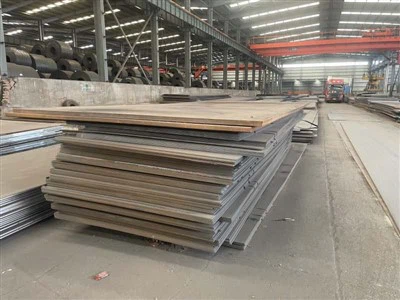
Hey there! As an alloy steel pipe supplier, I'm super stoked to chat about how new alloy steel pipe materials are being developed. It's a wild ride in the world of metallurgy, and I'm here to break it down for you.
Understanding the Basics
First off, let's get a grip on what alloy steel is. It's basically steel that has other elements mixed in besides carbon. These elements can include things like chromium, nickel, molybdenum, and vanadium. Each of these elements brings its own unique properties to the table. For example, chromium can improve corrosion resistance, while molybdenum can enhance strength at high temperatures.
The development of new alloy steel pipe materials starts with a clear understanding of what the end - user needs. Are they looking for pipes that can withstand extremely high pressures in an oil and gas pipeline? Or maybe they need pipes for a power plant that can handle high - temperature steam. Once we know the requirements, the real fun begins.
Research and Development
The R & D phase is where the magic happens. Scientists and engineers in the metallurgy field start by looking at existing alloy steel compositions. They study how different elements interact with each other and how they affect the overall properties of the steel. This involves a ton of testing in the lab.
One of the common methods used is called computational materials science. This is where computers are used to simulate how different alloy compositions will behave under various conditions. It's like having a virtual test bed. By running these simulations, researchers can quickly narrow down the list of potential alloy compositions without having to physically make and test every single one.
Once a few promising compositions are identified, it's time to move on to physical testing. Samples of the new alloy steel are made in small quantities. These samples are then put through a battery of tests. Tensile tests are done to measure the strength and ductility of the steel. Hardness tests are also carried out to see how resistant the steel is to indentation.
Manufacturing and Scale - up
After the lab testing shows that a new alloy composition has the desired properties, it's time to think about manufacturing. Making alloy steel pipes on a large scale is a whole different ballgame compared to making small samples in the lab.
The first step in the manufacturing process is melting. The raw materials, including iron and the alloying elements, are melted in a large furnace. The temperature and the composition of the melt need to be carefully controlled to ensure that the final product has the right properties. Once the melt is ready, it's cast into billets or blooms.
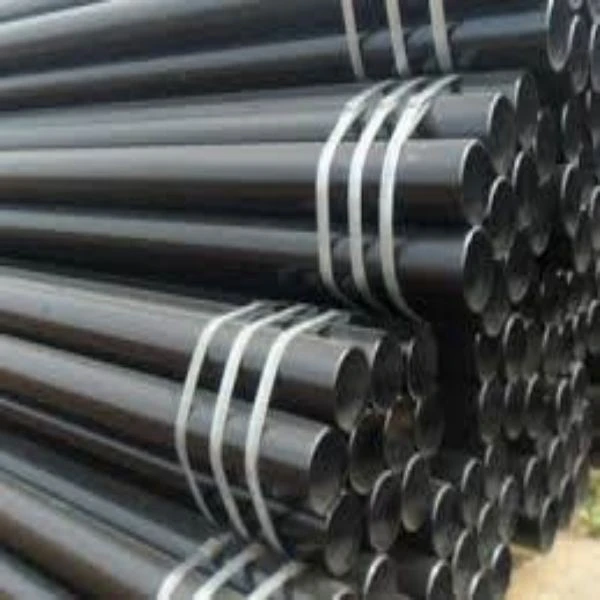
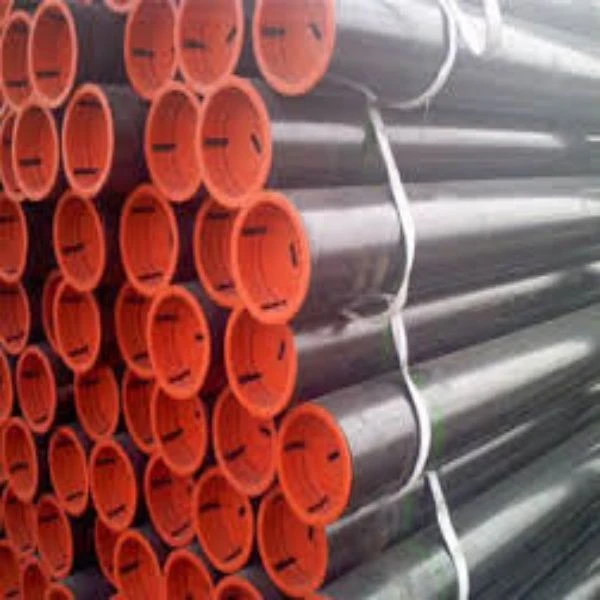
These billets or blooms are then further processed into pipes. There are different methods for making pipes, such as seamless pipe manufacturing and welded pipe manufacturing. Seamless pipes are made by piercing a solid billet and then rolling it into a pipe shape. Welded pipes, on the other hand, are made by welding together flat steel sheets.
During the manufacturing process, quality control is crucial. Samples are taken at different stages to make sure that the pipes meet the required standards. Non - destructive testing methods, like ultrasonic testing and X - ray testing, are used to detect any internal defects in the pipes.
Real - World Applications and Feedback
Once the new alloy steel pipes are manufactured, they are ready to be used in real - world applications. This is where the rubber meets the road. The pipes are installed in various industries, such as oil and gas, power generation, and chemical processing.
As the pipes are in use, feedback is collected from the end - users. They let us know how the pipes are performing. Maybe they notice that the pipes are corroding faster than expected in a certain environment, or perhaps they find that the pipes are not strong enough to handle the pressure. This feedback is invaluable as it helps us to further improve the alloy composition and the manufacturing process.
Examples of New Alloy Steel Pipe Materials
There are some really cool new alloy steel pipe materials out there. For instance, the Astm A213 T5 Alloy Steel Pipe is known for its excellent high - temperature strength and corrosion resistance. It's often used in power plants and refineries.
The A199 T22 Alloy Steel Tube is another great example. It has good weldability and is used in applications where high - temperature and high - pressure resistance are required.
And then there's the Astm A213 T22 Alloy Steel Pipe, which is widely used in the oil and gas industry due to its strength and corrosion resistance.
The Future of Alloy Steel Pipe Material Development
The future looks bright for the development of new alloy steel pipe materials. With the advancement of technology, we can expect even more precise control over the alloy composition and the manufacturing process.
Nanotechnology is one area that holds a lot of promise. By manipulating materials at the nanoscale, it may be possible to create alloy steel pipes with even better properties, such as higher strength and better corrosion resistance.
Another trend is the focus on sustainability. There's a growing demand for alloy steel pipes that are more energy - efficient to produce and have a lower environmental impact. This means using more recycled materials and developing manufacturing processes that consume less energy.
Contact for Procurement
If you're in the market for high - quality alloy steel pipes, whether it's one of the new materials we've been talking about or something more traditional, I'd love to have a chat with you. We've got a wide range of options to meet your specific needs. Drop me a line, and we can start discussing your requirements and how we can provide the best solution for you.
References
- ASM Handbook Volume 1: Properties and Selection: Irons, Steels, and High - Performance Alloys
- "Materials Science and Engineering: An Introduction" by William D. Callister, Jr. and David G. Rethwisch
- Various industry reports on alloy steel pipe development and applications.