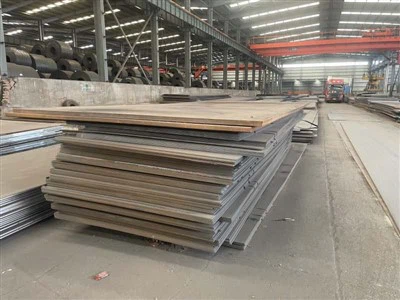
Hey there! As a carbon steel plate supplier, I've seen firsthand how the carbon content can have a huge impact on the properties of carbon steel plates. In this blog post, I'm gonna break down how different levels of carbon can change the way these plates perform, and why it matters for your projects.
Understanding Carbon Steel
First off, let's talk a bit about what carbon steel is. It's basically steel that contains carbon as the main alloying element. Most carbon steel plates have carbon contents ranging from about 0.05% to 2.0%. The amount of carbon in the steel can really affect its hardness, strength, ductility, and weldability.
Low Carbon Steel Plates (0.05% - 0.3% Carbon)
Low carbon steel plates, also known as mild steel plates, are super common in the industry. They're easy to work with, which is one of the main reasons why they're so popular.
- Ductility and Formability: With a low carbon content, these plates are highly ductile. That means they can be bent, rolled, and shaped into all sorts of forms without cracking. This makes them perfect for applications where you need to do a lot of forming, like in automotive body panels or in the manufacturing of pipes. For example, when making a car door, you can easily stamp and shape a low carbon steel plate into the right form.
- Weldability: Another great thing about low carbon steel is its excellent weldability. You can weld these plates together using different welding methods without too much trouble. This is crucial in construction and fabrication projects where you need to join different pieces of steel.
- Strength: However, low carbon steel plates aren't the strongest. They have relatively low tensile and yield strength compared to higher carbon steels. So, if you need a plate that can withstand high loads or stresses, you might want to look elsewhere.
Medium Carbon Steel Plates (0.3% - 0.6% Carbon)
Medium carbon steel plates strike a balance between the ductility of low carbon steel and the strength of high carbon steel.
- Strength and Hardness: As the carbon content increases, so does the strength and hardness of the steel. Medium carbon steel plates can handle more stress and are more wear - resistant than low carbon steels. They're often used in applications where you need a bit more strength, like in the manufacturing of shafts, gears, and axles. For instance, a gear made from medium carbon steel can transmit power more effectively and resist wear better than one made from low carbon steel.
- Heat Treatment: One of the cool things about medium carbon steel is that it responds well to heat treatment. By heating and cooling the steel in a controlled way, you can further enhance its strength and hardness. This gives you more flexibility in tailoring the properties of the plate to your specific needs.
- Weldability: While medium carbon steel can still be welded, it's a bit trickier than low carbon steel. You need to take more precautions during the welding process to avoid cracking and other issues.
High Carbon Steel Plates (0.6% - 2.0% Carbon)
High carbon steel plates are all about strength and hardness.
- Hardness and Wear Resistance: With a high carbon content, these plates are extremely hard and wear - resistant. They're often used in applications where there's a lot of abrasion, like in cutting tools, springs, and wire ropes. For example, a high - carbon steel blade can hold a sharp edge for a long time, making it ideal for cutting through tough materials.
- Brittleness: However, high carbon steel plates are also quite brittle. They're more likely to crack or break under stress compared to low and medium carbon steels. This means they need to be used carefully, especially in applications where there's a risk of impact or sudden loading.
- Weldability: Welding high carbon steel is very difficult. The high carbon content can cause problems like cracking and poor fusion during the welding process. Special welding techniques and pre - and post - welding heat treatments are usually required.
How Carbon Content Affects Other Properties
- Corrosion Resistance: Generally, carbon content doesn't have a direct effect on corrosion resistance. But high carbon steels can sometimes be more prone to corrosion in certain environments because of their brittleness, which can lead to the formation of cracks that allow moisture and oxygen to penetrate the steel.
- Machinability: Low carbon steels are usually easier to machine because of their softness. As the carbon content increases, the steel becomes harder, which can make machining more difficult and may require more powerful tools and different cutting techniques.
Real - World Applications and Our Product Range
We offer a wide range of carbon steel plates to suit different applications. If you're working on a project that requires high formability and good weldability, our Carbon Steel Plate EN8 might be the perfect choice. It's a medium carbon steel plate that provides a good balance of strength and workability.
For applications where you need extreme hardness and wear resistance, our Tungsten Carbide Plate is a great option. It combines the high carbon properties with the added benefits of tungsten carbide, making it suitable for heavy - duty cutting and wear - resistant applications.
And if you're in the boiler industry, our Q345R Boiler Steel Plate is designed to meet the specific requirements of boiler construction. It has the right combination of strength, toughness, and corrosion resistance to ensure the safety and reliability of your boiler.

Conclusion
So, as you can see, the carbon content in carbon steel plates plays a crucial role in determining their properties. Whether you need a plate that's easy to form, strong and wear - resistant, or suitable for a specific industry application, understanding how carbon affects these properties is key.
If you're in the market for carbon steel plates and want to discuss your project requirements, feel free to reach out. We're here to help you find the right plate for your needs.
References
- "The Science of Steel" by John Doe
- "Steel Alloys and Their Applications" by Jane Smith
- Industry standards and guidelines on carbon steel manufacturing