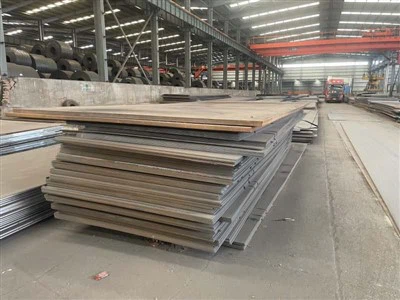
Hey there! As a spring steel supplier, I've seen firsthand how crucial it is to ensure top - notch welding quality for spring steel. Spring steel is used in a wide range of applications, from automotive parts to industrial machinery. A poor weld can lead to premature failure, which can be a huge headache for everyone involved. So, let's dive into some key steps to make sure your spring steel welding is on point.
Understanding Spring Steel
Before we start talking about welding, it's important to understand what spring steel is. Spring steel is a type of steel that has been specifically designed to have high yield strength and excellent elasticity. This allows it to return to its original shape after being bent or stretched. There are different types of spring steel, like Stainless Spring Steels and 65Mn Spring Steel. Each type has its own unique properties, and these properties can have a big impact on the welding process.
Stainless spring steels are known for their corrosion resistance, which makes them great for applications where the spring will be exposed to harsh environments. On the other hand, 65Mn spring steel is a high - carbon steel that offers high strength and good hardenability. Knowing the type of spring steel you're working with is the first step in ensuring good welding quality.
Pre - welding Preparation
Material Inspection
The first thing you should do is inspect the spring steel material. Look for any signs of damage, such as cracks, scratches, or rust. Damaged areas can weaken the weld and cause problems down the line. If you find any issues, you may need to either repair the material or replace it. Make sure the steel is clean and free from any contaminants, like oil, grease, or dirt. These can create porosity in the weld, which is a major no - no.


Joint Design
The joint design is also very important. You need to choose a joint design that is appropriate for the application and the type of spring steel. Common joint designs include butt joints, lap joints, and T - joints. Each design has its own advantages and disadvantages. For example, a butt joint provides a strong, continuous connection, but it can be more difficult to weld than a lap joint. Make sure the joint edges are properly prepared, with the right bevel angle and root face.
Welding Procedure Selection
Selecting the right welding procedure is crucial. There are several welding processes available, such as shielded metal arc welding (SMAW), gas metal arc welding (GMAW), and tungsten inert gas welding (TIG). Each process has its own set of advantages and limitations. For spring steel, TIG welding is often a good choice because it allows for precise control of the heat input and produces high - quality welds. However, it can be slower and more expensive than other processes.
Welding Process
Heat Input Control
One of the most important factors in spring steel welding is heat input control. Spring steel is sensitive to heat, and excessive heat can cause the steel to lose its strength and elasticity. You need to carefully control the welding current, voltage, and travel speed to keep the heat input within the acceptable range. A good rule of thumb is to use the lowest heat input possible while still achieving a good weld.
Welding Speed
The welding speed also plays a role in heat input. If you weld too slowly, you'll end up putting too much heat into the steel, which can lead to problems. On the other hand, if you weld too fast, the weld may not be properly fused. You need to find the right balance. This may take some practice, but it's worth it to ensure a high - quality weld.
Shielding Gas
If you're using a gas - shielded welding process, like GMAW or TIG, the choice of shielding gas is important. The shielding gas protects the weld pool from atmospheric contamination, which can improve the quality of the weld. For spring steel, a mixture of argon and carbon dioxide is often used for GMAW, while pure argon is typically used for TIG welding.
Post - welding Treatment
Heat Treatment
After welding, heat treatment is often necessary to relieve residual stresses and improve the mechanical properties of the weld. This can involve processes like annealing, tempering, or normalizing. The specific heat treatment process will depend on the type of spring steel and the application. Heat treatment should be done carefully, following the manufacturer's recommendations.
Inspection
Once the heat treatment is done, you need to inspect the weld. This can involve visual inspection, as well as non - destructive testing methods like ultrasonic testing or magnetic particle testing. Look for any signs of defects, such as cracks, porosity, or lack of fusion. If you find any issues, you'll need to either repair the weld or scrap the part.
Quality Control
Documentation
Keeping good documentation is an important part of quality control. Document the welding process parameters, such as the welding current, voltage, travel speed, and shielding gas flow rate. Also, record any inspection results and heat treatment procedures. This documentation can be useful for troubleshooting and for ensuring consistency in future welding jobs.
Training and Certification
Make sure your welding operators are properly trained and certified. Welding spring steel requires a certain level of skill and knowledge. A trained operator will be more likely to produce high - quality welds and avoid common mistakes. Regular training and certification programs can help keep your operators up - to - date with the latest welding techniques and best practices.
Conclusion
Ensuring the welding quality of spring steel is a multi - step process that requires careful attention to detail. From pre - welding preparation to post - welding treatment and quality control, every step plays a crucial role. By understanding the properties of spring steel, following the right procedures, and using proper quality control measures, you can produce high - quality welds that will stand the test of time.
If you're in the market for high - quality spring steel or need more advice on welding it, don't hesitate to reach out. We're here to help you with all your spring steel needs. Whether you're a small - scale manufacturer or a large industrial company, we've got the products and expertise to support your projects. Contact us today to start a conversation about your spring steel requirements and let's work together to achieve the best results.
References
- ASME Boiler and Pressure Vessel Code
- AWS Welding Handbook
- Manufacturer's specifications for spring steel materials