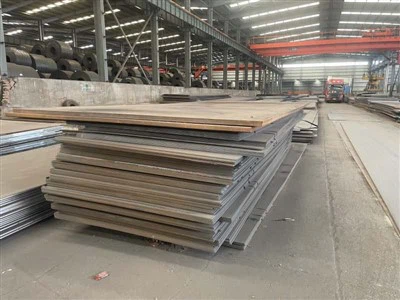
Cutting cold rolled steel is a crucial process in various industries, from construction to automotive manufacturing. As a supplier of high - quality cold rolled steel, I've witnessed firsthand the importance of using the right cutting techniques to achieve precise results. In this blog, I'll share some valuable insights on how to cut cold rolled steel effectively.
Understanding Cold Rolled Steel
Before delving into the cutting methods, it's essential to understand what cold rolled steel is. Cold rolled steel is processed at room temperature, which gives it a smoother finish, tighter tolerances, and greater strength compared to hot rolled steel. This makes it a popular choice for applications where precision and a high - quality surface finish are required. For more information on our Steel Plate Cold Rolled, you can visit our website.
Factors to Consider Before Cutting
Thickness of the Steel
The thickness of the cold rolled steel plays a significant role in determining the appropriate cutting method. Thinner sheets, typically less than 1/8 inch (3.2 mm), can be cut using different techniques than thicker plates. For instance, thin sheets can often be cut with handheld tools, while thicker plates may require more heavy - duty machinery.
Desired Finish
The end - use of the cut steel also affects the cutting process. If a smooth, burr - free edge is required, certain cutting methods may be more suitable than others. For example, laser cutting generally produces a cleaner edge compared to some mechanical cutting methods.
Quantity of Cuts
If you need to make a large number of identical cuts, automated cutting systems may be more efficient. On the other hand, for small - scale or custom projects, manual or semi - automated methods might be a better choice.


Cutting Methods for Cold Rolled Steel
Shearing
Shearing is a common method for cutting cold rolled steel sheets. It works by applying a shearing force to the steel, causing it to separate along a straight line. There are two main types of shearing: manual shears for thin sheets and power - operated shears for thicker materials.
Manual shears are relatively inexpensive and easy to use. They are suitable for small - scale projects or for cutting thin sheets up to about 18 gauge (1.2 mm). Power - operated shears, such as guillotine shears, can handle thicker sheets and are more precise. They are often used in industrial settings where large quantities of steel need to be cut.
One of the advantages of shearing is its speed and cost - effectiveness. However, it may produce a slightly rough edge, and there is a risk of the steel deforming if the shearing force is not applied evenly.
Sawing
Sawing is another effective way to cut cold rolled steel. There are several types of saws that can be used, including band saws, circular saws, and hacksaws.
Band saws are versatile and can cut through a wide range of steel thicknesses. They use a continuous band of toothed metal to make the cut. Band saws can be adjusted to cut at different angles, making them suitable for both straight and curved cuts.
Circular saws are commonly used for cutting thin to medium - thickness steel. They are available in both handheld and stationary models. Handheld circular saws are convenient for on - site work, while stationary circular saws offer more precision and stability.
Hacksaws are a simple and inexpensive option for cutting thin steel sheets or small pieces. They are manual tools that require physical effort but can be very effective for small - scale projects.
The advantage of sawing is that it can produce relatively smooth edges, especially when using a fine - toothed blade. However, sawing can be a slow process, especially when cutting thick steel.
Laser Cutting
Laser cutting is a high - precision cutting method that uses a focused laser beam to melt, burn, or vaporize the steel. It is capable of cutting through a wide range of thicknesses with extreme accuracy.
One of the main advantages of laser cutting is its ability to produce very fine cuts with minimal heat - affected zones. This means that the steel retains its strength and integrity around the cut area. Laser cutting can also be used to create complex shapes and patterns, making it ideal for custom - made parts.
However, laser cutting equipment is expensive to purchase and maintain. It also requires skilled operators to ensure proper operation and safety.
Plasma Cutting
Plasma cutting is a process that uses a high - velocity jet of ionized gas (plasma) to melt and blow away the steel. It is suitable for cutting thick cold rolled steel plates.
Plasma cutting is faster than some other methods, such as sawing, and can be used to cut through a variety of shapes. It is also relatively inexpensive compared to laser cutting.
The main drawback of plasma cutting is that it can produce a rougher edge compared to laser cutting. There is also a risk of warping the steel due to the high heat generated during the process.
Safety Precautions
Regardless of the cutting method you choose, safety should always be your top priority. Here are some general safety precautions to follow when cutting cold rolled steel:
- Wear Protective Gear: Always wear safety glasses, gloves, and appropriate clothing to protect yourself from flying debris, sharp edges, and heat.
- Use Proper Equipment: Make sure your cutting equipment is in good working condition and is suitable for the thickness and type of steel you are cutting.
- Follow Manufacturer's Instructions: Read and follow the manufacturer's instructions for all cutting equipment. This includes proper setup, operation, and maintenance procedures.
- Ventilate the Area: If using cutting methods that generate fumes, such as plasma cutting or laser cutting, ensure that the area is well - ventilated to prevent the inhalation of harmful gases.
Tips for a Successful Cut
- Mark Your Cuts: Use a straightedge and a marker to clearly mark the cutting line on the steel. This will help you make more accurate cuts.
- Secure the Steel: Make sure the steel is firmly secured before cutting to prevent it from moving or vibrating during the process.
- Choose the Right Blade or Tool: Select the appropriate blade or cutting tool for the thickness and type of steel you are cutting. A dull or inappropriate blade can result in a poor - quality cut and may damage the steel.
Conclusion
Cutting cold rolled steel requires careful consideration of the thickness, desired finish, and quantity of cuts. By choosing the right cutting method and following the proper safety precautions, you can achieve precise and high - quality cuts. As a cold rolled steel supplier, we are committed to providing you with the best - quality steel and the knowledge to work with it effectively.
If you are interested in purchasing cold rolled steel for your projects or have any questions about the cutting process, please don't hesitate to contact us. We are here to assist you with your procurement needs and provide expert advice.
References
- ASM Handbook, Volume 6: Welding, Brazing, and Soldering, ASM International.
- Machinery's Handbook, Industrial Press Inc.
- Steel Construction Manual, American Institute of Steel Construction.