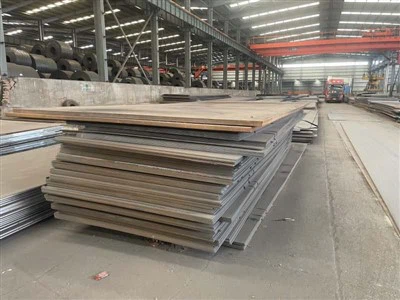
Stainless steel is a versatile and widely used material known for its corrosion resistance, durability, and aesthetic appeal. As a stainless steel supplier, I have witnessed firsthand how the density of stainless steel plays a crucial role in determining its suitability for various applications. In this blog post, I will delve into the relationship between the density of stainless steel and its applications, exploring how this fundamental property influences the performance and functionality of the material.
Understanding the Density of Stainless Steel
Density is defined as the mass per unit volume of a substance. In the case of stainless steel, the density can vary depending on its composition, including the presence of alloying elements such as chromium, nickel, and molybdenum. The density of stainless steel typically ranges from approximately 7,500 to 8,000 kilograms per cubic meter (kg/m³), with variations based on the specific grade and type of stainless steel.
The density of stainless steel is influenced by several factors, including the atomic structure of the alloying elements, the packing density of the atoms in the crystal lattice, and the presence of any voids or porosity in the material. For example, stainless steels with a higher proportion of heavy elements such as nickel and molybdenum tend to have a higher density, while those with a lower proportion of these elements may have a lower density.
Impact of Density on Mechanical Properties
The density of stainless steel has a significant impact on its mechanical properties, including its strength, stiffness, and toughness. Generally, stainless steels with a higher density tend to have higher strength and stiffness, making them suitable for applications where high load-bearing capacity is required. For example, in structural applications such as building construction and bridge engineering, stainless steels with a high density are often preferred due to their ability to withstand heavy loads and resist deformation.
On the other hand, stainless steels with a lower density may offer advantages in applications where weight reduction is a priority. For instance, in the aerospace and automotive industries, where fuel efficiency and performance are critical, stainless steels with a lower density can be used to reduce the overall weight of the components without sacrificing strength and durability. This can lead to improved fuel economy, increased payload capacity, and enhanced performance of the vehicles or aircraft.
Influence on Corrosion Resistance
The density of stainless steel can also affect its corrosion resistance. In general, stainless steels with a higher density tend to have a more compact and uniform structure, which can provide better protection against corrosion. This is because the dense structure of the material reduces the porosity and permeability of the surface, making it more difficult for corrosive agents such as moisture, oxygen, and chemicals to penetrate and attack the underlying metal.

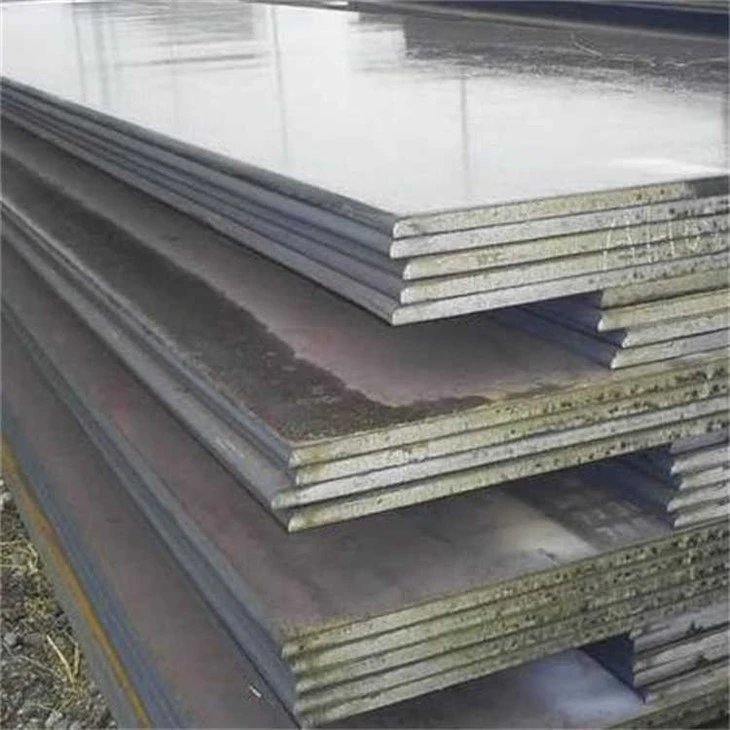
However, it is important to note that the corrosion resistance of stainless steel is not solely determined by its density. Other factors such as the composition of the alloy, the presence of protective oxide layers, and the environmental conditions also play a crucial role in determining the corrosion resistance of the material. Therefore, while density can have an influence on corrosion resistance, it is just one of many factors that need to be considered when selecting stainless steel for a particular application.
Applications Based on Density
The density of stainless steel makes it suitable for a wide range of applications across various industries. Here are some examples of how the density of stainless steel influences its application:
- Heavy Machinery and Equipment: In the manufacturing of heavy machinery and equipment, stainless steels with a high density are often used due to their strength and durability. For example, in the construction of industrial presses, hydraulic cylinders, and mining equipment, stainless steels with a high density can withstand the high pressures and loads associated with these applications.
- Transportation: In the transportation industry, stainless steels with a lower density are increasingly being used to reduce the weight of vehicles and improve fuel efficiency. For example, in the automotive industry, stainless steels with a lower density are used in the manufacturing of exhaust systems, body panels, and structural components. In the aerospace industry, stainless steels with a lower density are used in the construction of aircraft frames, wings, and landing gear.
- Food and Beverage Industry: In the food and beverage industry, stainless steels with a high density are commonly used due to their corrosion resistance and hygienic properties. For example, in the manufacturing of food processing equipment, storage tanks, and piping systems, stainless steels with a high density can withstand the harsh cleaning and sanitization procedures required in this industry.
- Medical and Pharmaceutical Industry: In the medical and pharmaceutical industry, stainless steels with a high density are used in the manufacturing of surgical instruments, implants, and medical devices. The high density of the material provides the necessary strength and durability for these applications, while its corrosion resistance ensures the safety and reliability of the products.
Conclusion
In conclusion, the density of stainless steel is a critical factor that influences its mechanical properties, corrosion resistance, and suitability for various applications. As a stainless steel supplier, I understand the importance of selecting the right grade and type of stainless steel based on its density and other properties to meet the specific requirements of each application.
Whether you are looking for 304 Series Stainless Steel Quality Is Excellent, 304 3mm Stainless Steel Sheet, or 400 Alloy Stainless Steel, I can provide you with high-quality stainless steel products that are tailored to your needs. If you have any questions or would like to discuss your stainless steel requirements, please feel free to contact me. I look forward to working with you and helping you find the perfect stainless steel solution for your application.
References
- ASM Handbook, Volume 1: Properties and Selection: Irons, Steels, and High-Performance Alloys. ASM International, 1990.
- Stainless Steel: A Technical Guide. The Nickel Institute, 2002.
- Corrosion Resistance of Stainless Steels. NACE International, 2003.