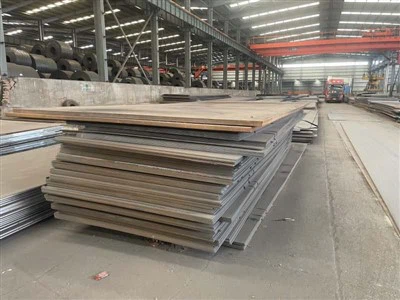
Hey there! As a supplier of carbon steel plates, I often get asked, "Is carbon steel plate safe for food contact?" It's a crucial question, especially when you're dealing with materials that come into direct contact with what we eat. Let's dive into this topic and find out the answers.
First off, let's understand what carbon steel is. Carbon steel is an alloy made primarily of iron and carbon, with small amounts of other elements like manganese, silicon, and sulfur. It's known for its strength, durability, and affordability, which makes it a popular choice in many industries, including food processing.
One of the main concerns people have about using carbon steel for food contact is the potential for corrosion. When carbon steel comes into contact with moisture, oxygen, and certain chemicals, it can rust. Rust is not only unsightly but can also contaminate food. However, not all carbon steel is prone to rusting. There are different grades and types of carbon steel, and some are more resistant to corrosion than others.
For example, Q420E Carbon Steel Round [/carbon-steel-plate/q420e-carbon-steel-round.html] is a high - strength, low - alloy steel. It has good mechanical properties and can be used in various applications, including those where it might come into contact with food. The alloying elements in this type of steel help improve its corrosion resistance, making it a safer option for food - related uses.
Another factor to consider is the surface finish of the carbon steel plate. A smooth, polished surface is less likely to harbor bacteria and is easier to clean. When carbon steel plates are used in food processing equipment, they are often treated with special coatings or finishes to enhance their hygiene and corrosion resistance.
Now, let's talk about the regulations. In many countries, there are strict regulations regarding the materials that can be used in food contact applications. These regulations ensure that the materials do not leach harmful substances into the food. Carbon steel plates that are intended for food contact must meet certain standards. For instance, they should not contain excessive amounts of heavy metals like lead, mercury, or cadmium.
ASTM A106 GR.A Carbon Steel Pipe [/carbon-steel-plate/astm-a106-gr-a-carbon-steel-pipe.html] and ASTM A333 GR.6 Pipe Carbon Steel Pipe [/carbon-steel-plate/astm-a333-gr-6-pipe-carbon-steel-pipe.html] are two types of carbon steel pipes that are commonly used in the food and beverage industry. These pipes are designed to meet specific ASTM standards, which ensure their quality and safety for food contact. The standards specify the chemical composition, mechanical properties, and testing requirements for these pipes, making sure they are suitable for transporting food and beverages.
When it comes to cleaning carbon steel plates used in food contact, it's important to use the right methods. Mild detergents and non - abrasive cleaners are usually recommended. Avoid using harsh chemicals that can damage the surface of the steel and potentially contaminate the food. Regular cleaning and maintenance can help prevent the buildup of bacteria and ensure the long - term safety of the carbon steel plates.
In addition to corrosion and hygiene, we also need to think about the reaction between carbon steel and different types of food. Some acidic or alkaline foods can react with the steel, causing discoloration or the release of small amounts of iron. While small amounts of iron are actually beneficial for our health, excessive amounts can affect the taste and quality of the food. However, this can be minimized by using the appropriate grade of carbon steel and proper surface treatments.


Overall, carbon steel plates can be safe for food contact if the right precautions are taken. Choosing the right grade of steel, ensuring proper surface treatment, following cleaning and maintenance procedures, and complying with relevant regulations are all essential steps.
As a carbon steel plate supplier, I'm committed to providing high - quality products that meet the safety requirements for food contact applications. Our carbon steel plates are carefully selected and tested to ensure they are suitable for use in the food industry. Whether you need Q420E Carbon Steel Round, ASTM A106 GR.A Carbon Steel Pipe, or ASTM A333 GR.6 Pipe Carbon Steel Pipe, we've got you covered.
If you're in the market for carbon steel plates for food contact applications, don't hesitate to reach out. We can provide you with detailed information about our products, including their specifications, certifications, and how they can be used safely in your food processing operations. Let's have a chat and see how we can meet your needs.
References:
- ASTM International standards for carbon steel products
- Food safety regulations in relevant countries