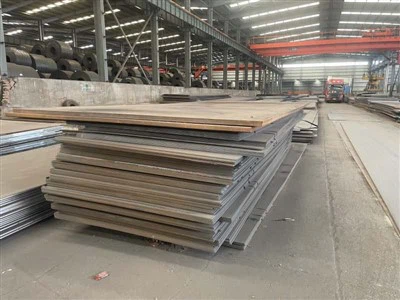
Rust is a persistent enemy in the world of metals, gradually corroding and weakening structures over time. Among the various solutions to combat rust, zinc-plated steel has emerged as a reliable and widely used option. As a supplier of Zinc-Plated Steel, I've witnessed firsthand the effectiveness of this material in withstanding the test of time and environmental challenges. In this blog, I'll delve into the science behind how zinc-plated steel resists rust, exploring the mechanisms at play and the benefits it offers.
Understanding Rust and Corrosion
Before we explore how zinc-plated steel resists rust, it's essential to understand what rust is and how it forms. Rust is the common term for iron oxide, which forms when iron or steel reacts with oxygen and water in the presence of an electrolyte, such as salt or acid. This electrochemical reaction, known as corrosion, gradually eats away at the metal, weakening its structure and reducing its lifespan.
Corrosion is a natural process that occurs in many metals, but it can be accelerated by factors such as humidity, temperature, and exposure to chemicals. In environments with high levels of moisture or salt, such as coastal areas or industrial settings, the risk of corrosion is particularly high. To protect metals from rust and corrosion, various methods are employed, including painting, coating, and galvanizing.
The Process of Zinc Plating
Zinc plating, also known as galvanizing, is a process in which a thin layer of zinc is applied to the surface of steel or iron to protect it from rust and corrosion. There are two main methods of zinc plating: hot-dip galvanizing and electroplating.
Hot-Dip Galvanizing: In hot-dip galvanizing, the steel is immersed in a bath of molten zinc at a temperature of around 450°C (842°F). The zinc reacts with the steel to form a series of zinc-iron alloy layers, which provide a durable and protective coating. The thickness of the zinc coating can vary depending on the application, but it typically ranges from 40 to 100 microns.
Electroplating: Electroplating is a process in which a thin layer of zinc is deposited on the surface of the steel using an electric current. The steel is placed in an electrolyte solution containing zinc ions, and a direct current is passed through the solution. The zinc ions are attracted to the steel surface and form a thin layer of zinc. The thickness of the zinc coating in electroplating is typically thinner than in hot-dip galvanizing, ranging from 5 to 25 microns.
How Zinc-Plated Steel Resists Rust
The primary mechanism by which zinc-plated steel resists rust is through a process called sacrificial protection. Zinc is more reactive than iron, which means that it will corrode preferentially to the steel. When the zinc coating is exposed to oxygen and water, it forms a layer of zinc oxide and zinc hydroxide on the surface, which acts as a barrier to prevent further corrosion.
If the zinc coating is damaged or scratched, exposing the underlying steel, the zinc will continue to corrode instead of the steel. This is because the zinc acts as a sacrificial anode, providing a source of electrons to the steel and preventing it from oxidizing. As the zinc corrodes, it forms a layer of zinc carbonate, which further protects the steel from rust and corrosion.
In addition to sacrificial protection, zinc-plated steel also offers other benefits that contribute to its rust resistance. The zinc coating provides a physical barrier between the steel and the environment, preventing moisture, oxygen, and other corrosive agents from reaching the steel surface. The zinc coating also has excellent adhesion to the steel, which helps to prevent it from peeling or flaking off over time.
Benefits of Zinc-Plated Steel
Zinc-plated steel offers several benefits that make it a popular choice for a wide range of applications. Some of the key benefits include:
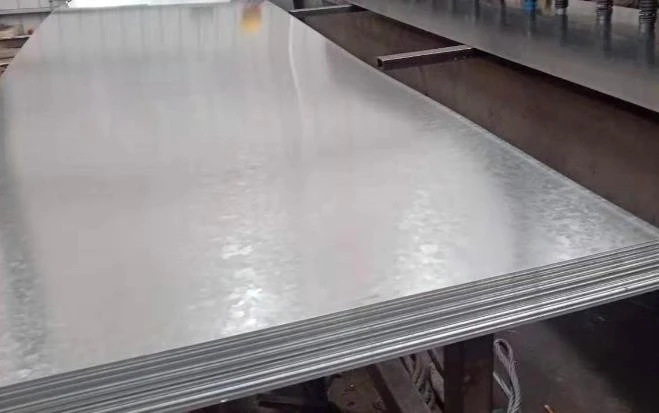
Rust Resistance: As discussed earlier, zinc-plated steel provides excellent rust resistance, making it suitable for use in harsh environments where corrosion is a concern.
Durability: The zinc coating provides a durable and long-lasting protection for the steel, extending its lifespan and reducing the need for frequent maintenance and replacement.
Cost-Effective: Zinc plating is a cost-effective method of protecting steel from rust and corrosion compared to other methods, such as painting or coating.
Versatility: Zinc-plated steel can be used in a wide range of applications, including construction, automotive, electrical, and marine industries.
Aesthetics: Zinc-plated steel has a clean and attractive appearance, making it suitable for use in applications where aesthetics are important.
Applications of Zinc-Plated Steel
Zinc-plated steel is used in a wide range of applications across various industries. Some of the common applications include:
Construction: Zinc-plated steel is used in the construction industry for roofing, siding, fencing, and structural components. It provides excellent rust resistance and durability, making it suitable for use in both residential and commercial buildings.
Automotive: Zinc-plated steel is used in the automotive industry for body panels, chassis components, and exhaust systems. It helps to protect the vehicle from rust and corrosion, extending its lifespan and reducing maintenance costs.
Electrical: Zinc-plated steel is used in the electrical industry for wiring, conduits, and electrical enclosures. It provides a reliable and cost-effective solution for protecting electrical components from rust and corrosion.
Marine: Zinc-plated steel is used in the marine industry for boat hulls, decks, and other components. It provides excellent rust resistance in saltwater environments, making it suitable for use in boats and other marine vessels.
Our Zinc-Plated Steel Products
As a supplier of Zinc-Plated Steel, we offer a wide range of products to meet the needs of our customers. Our products include Zinc Plate For Container, Colored Galvanized Steel Sheet, and DC51D Galvanized Steel Sheet.
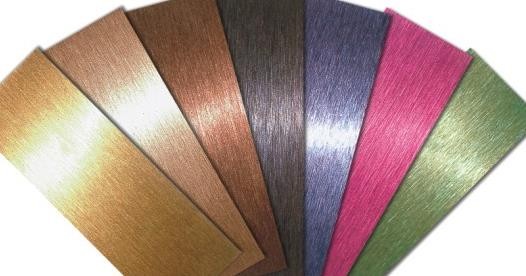
Our Zinc Plate For Container is designed for use in shipping containers, providing excellent rust resistance and durability in harsh marine environments. Our Colored Galvanized Steel Sheet is available in a variety of colors, making it suitable for use in architectural and decorative applications. Our DC51D Galvanized Steel Sheet is a high-quality product that meets the strictest industry standards, providing reliable rust protection for a wide range of applications.
Conclusion
Zinc-plated steel is a reliable and cost-effective solution for protecting steel from rust and corrosion. The sacrificial protection provided by the zinc coating, combined with its physical barrier properties, makes it an ideal choice for use in harsh environments where corrosion is a concern. As a supplier of Zinc-Plated Steel, we are committed to providing our customers with high-quality products and excellent service. If you are interested in learning more about our zinc-plated steel products or have any questions, please don't hesitate to contact us. We look forward to discussing your needs and helping you find the right solution for your project.
References
- Jones, D. A. (1992). Principles and Prevention of Corrosion. Prentice Hall.
- Uhlig, H. H., & Revie, R. W. (1985). Corrosion and Corrosion Control: An Introduction to Corrosion Science and Engineering. Wiley.
- ASTM International. (2017). Standard Specification for Zinc Coating (Hot-Dip) on Iron and Steel Products. ASTM A123/A123M-17.