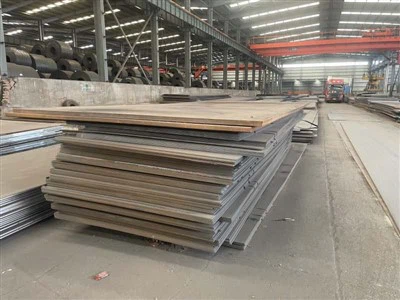
Hey there! As an angle steel plate supplier, I often get asked about how to check the quality of angle steel plates on - site. It's a crucial step, especially for those who are about to make a significant purchase. In this blog, I'll share some practical tips based on my years of experience in the industry.
1. Visual Inspection
The first thing you can do is a simple visual check. Start by looking at the surface of the angle steel plate. A high - quality plate should have a smooth finish without any obvious cracks, scratches, or dents. Cracks can significantly weaken the structural integrity of the plate, and scratches might lead to corrosion over time.
If you notice any rust spots, it's a red flag. Rust can spread quickly and compromise the strength of the steel. Sometimes, light surface rust can be removed, but if it's deep - seated, it's a sign of poor storage conditions or low - quality steel.
Also, pay attention to the edges of the angle steel plate. They should be straight and well - defined. Any irregularities in the edges can indicate problems during the manufacturing process. For example, if the edges are jagged, it might mean that the cutting process was not precise.
2. Measuring Dimensions
Accurate dimensions are vital for angle steel plates. You'll need a measuring tape or a caliper to check the length, width, and thickness of the plate. Make sure the measurements match the specifications provided by the supplier.
For instance, if you're buying a Q335B Angle Steel Plate, the dimensions should be in line with the industry standards for this type of steel. Deviations in dimensions can cause issues during installation. If the plate is too thick or too thin, it might not fit properly in the intended structure.
Check the angle of the steel plate as well. Most angle steel plates are supposed to have a 90 - degree angle. You can use a protractor or a right - angle gauge to verify this. A misaligned angle can lead to problems when assembling structures, and it might also affect the overall stability of the construction.
3. Checking Material Composition
The material composition of the angle steel plate determines its strength and durability. While it's not easy to test the composition on - site, there are some basic things you can do.
You can ask the supplier for a material test report (MTR). This report provides detailed information about the chemical composition of the steel, including the percentage of elements like carbon, manganese, and sulfur. A reliable supplier should be able to provide this document without any hesitation.
If you have access to a magnet, you can also use it to do a simple test. Most angle steel plates are made of ferromagnetic materials, so they should be attracted to the magnet. However, this is just a very basic test and doesn't give you detailed information about the composition.
4. Impact and Bend Tests
If possible, you can perform some simple impact and bend tests on a small sample of the angle steel plate. These tests can give you an idea of the plate's toughness and ductility.
For an impact test, you can use a small hammer to gently strike the plate. A high - quality plate should not break or shatter easily. Instead, it should absorb the impact energy and show some deformation. If the plate breaks with a light strike, it might be brittle and of poor quality.
A bend test involves bending a small piece of the plate. A good quality angle steel plate should be able to bend to a certain degree without cracking. This indicates that the steel has good ductility, which is important for applications where the plate might be subjected to stress and deformation.
5. Checking for Weldability
In many construction projects, angle steel plates need to be welded together. So, it's important to check the weldability of the plate.


Look at the surface of the plate for any contaminants like oil, grease, or paint. These substances can affect the quality of the weld. A clean surface is essential for a strong and reliable weld.
If you have some welding equipment on - site, you can do a small test weld. Observe the quality of the weld bead. A good weld should be smooth, without any pores or cracks. If the weld looks rough or has defects, it might mean that the plate is not easily weldable.
6. Comparing with Standards
It's always a good idea to compare the angle steel plate you're inspecting with industry standards. There are national and international standards that define the quality requirements for angle steel plates.
For example, the ASTM (American Society for Testing and Materials) standards provide detailed specifications for different types of steel products, including angle steel plates. You can use these standards as a reference to evaluate the quality of the plate.
If the plate meets or exceeds these standards, it's a good indication that it's of high quality. On the other hand, if it fails to meet the basic requirements, you might want to reconsider your purchase.
7. Supplier Reputation
Finally, don't forget to consider the reputation of the supplier. A reliable supplier is more likely to provide high - quality angle steel plates.
You can check online reviews and testimonials from other customers. A supplier with a good track record of delivering quality products and excellent customer service is a safer bet. You can also ask for references from the supplier and contact previous customers to get their feedback.
As an angle steel plate supplier, I understand that quality is of utmost importance. If you're in the market for angle steel plates, whether it's a Q235B Angle Steel Plate or any other type, I'm here to help. We ensure that all our products meet the highest quality standards. If you have any questions or want to discuss your requirements, feel free to reach out. We can have a detailed conversation about your project and find the best angle steel plate solution for you.
References
- ASTM International. (Year). Standard specifications for steel products.
- Steel Construction Institute. (Year). Guide to the quality control of steel structures.