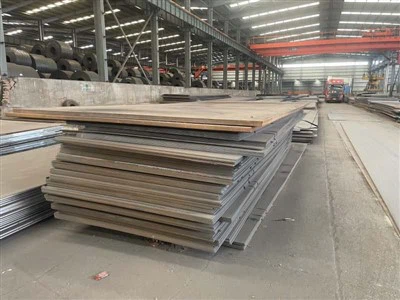
What is the fatigue resistance of seamless tubes?
As a seamless tube supplier, I've witnessed firsthand the importance of understanding the fatigue resistance of seamless tubes in various industries. Fatigue resistance is a critical property that determines how well a seamless tube can withstand repeated loading and unloading cycles without failing. In this blog, I'll delve into what fatigue resistance is, why it matters, and how it impacts the performance of seamless tubes in different applications.
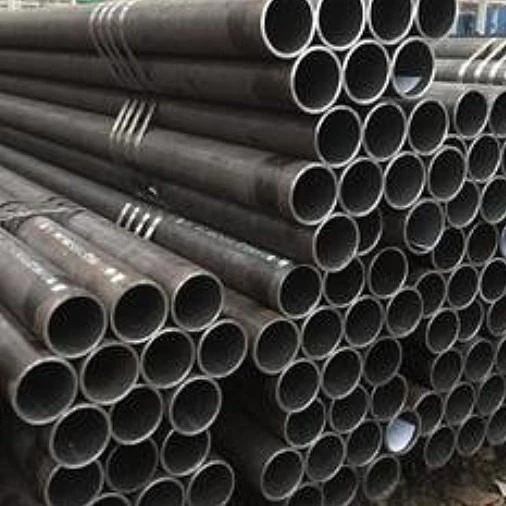
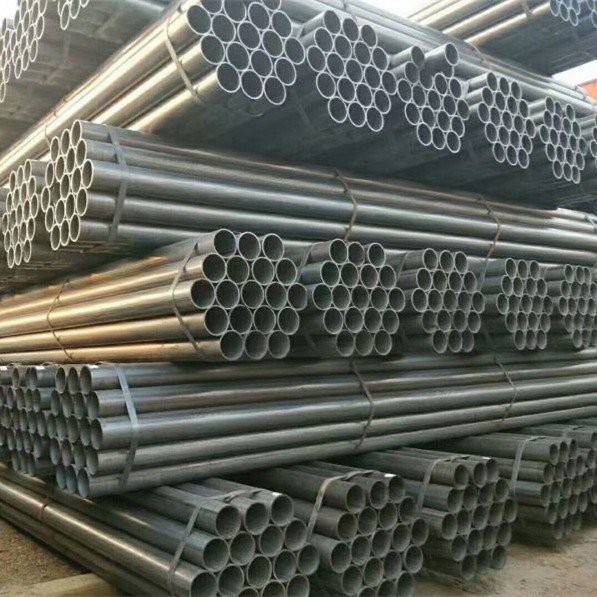
Understanding Fatigue Resistance
Fatigue is a phenomenon that occurs when a material is subjected to cyclic loading, such as repeated stress or strain. Over time, these cyclic loads can cause microscopic cracks to form in the material, which gradually grow and eventually lead to failure. Fatigue resistance, therefore, refers to a material's ability to resist the initiation and propagation of these cracks under cyclic loading.
In the case of seamless tubes, fatigue resistance is influenced by several factors, including the material composition, manufacturing process, and surface finish. For example, tubes made from high-strength materials are generally more resistant to fatigue than those made from lower-strength materials. Similarly, tubes with a smooth surface finish are less likely to develop cracks than those with a rough surface.
Why Fatigue Resistance Matters
The fatigue resistance of seamless tubes is crucial in many applications, especially those that involve cyclic loading. Here are some examples:
- Automotive Industry: Seamless tubes are used in various automotive components, such as suspension systems, steering columns, and exhaust systems. These components are subjected to repeated stress and vibration, making fatigue resistance a critical factor in their performance and durability.
- Aerospace Industry: In the aerospace industry, seamless tubes are used in aircraft structures, engine components, and hydraulic systems. These components must be able to withstand high levels of stress and cyclic loading, making fatigue resistance essential for ensuring the safety and reliability of the aircraft.
- Oil and Gas Industry: Seamless tubes are widely used in the oil and gas industry for drilling, production, and transportation. These tubes are subjected to harsh environments and cyclic loading, making fatigue resistance a key consideration in their design and selection.
Factors Affecting Fatigue Resistance
As mentioned earlier, several factors can affect the fatigue resistance of seamless tubes. Let's take a closer look at some of these factors:
- Material Composition: The material composition of a seamless tube plays a significant role in its fatigue resistance. Tubes made from high-strength materials, such as alloy steels and stainless steels, are generally more resistant to fatigue than those made from lower-strength materials, such as carbon steels.
- Manufacturing Process: The manufacturing process used to produce seamless tubes can also affect their fatigue resistance. Tubes that are manufactured using advanced processes, such as hot rolling and cold drawing, are generally more resistant to fatigue than those that are manufactured using traditional processes.
- Surface Finish: The surface finish of a seamless tube can have a significant impact on its fatigue resistance. Tubes with a smooth surface finish are less likely to develop cracks than those with a rough surface. Therefore, it's important to ensure that the surface finish of the tubes meets the required specifications.
- Heat Treatment: Heat treatment is a process that can be used to improve the mechanical properties of seamless tubes, including their fatigue resistance. By subjecting the tubes to specific heat treatment processes, such as quenching and tempering, their strength and toughness can be increased, which can improve their fatigue resistance.
Measuring Fatigue Resistance
There are several methods for measuring the fatigue resistance of seamless tubes. One common method is the fatigue testing, which involves subjecting the tubes to cyclic loading until they fail. The number of cycles required for the tubes to fail is then recorded, and this information is used to determine their fatigue life.
Another method for measuring fatigue resistance is the ultrasonic testing, which involves using ultrasonic waves to detect the presence of cracks in the tubes. This method is non-destructive, which means that it can be used to test the tubes without damaging them.
Improving Fatigue Resistance
There are several ways to improve the fatigue resistance of seamless tubes. Here are some examples:
- Selecting the Right Material: As mentioned earlier, the material composition of a seamless tube plays a significant role in its fatigue resistance. Therefore, it's important to select the right material for the application. For example, if the tubes will be subjected to high levels of stress and cyclic loading, it's recommended to use high-strength materials, such as alloy steels and stainless steels.
- Optimizing the Manufacturing Process: The manufacturing process used to produce seamless tubes can also affect their fatigue resistance. Therefore, it's important to optimize the manufacturing process to ensure that the tubes have the required mechanical properties. For example, using advanced manufacturing processes, such as hot rolling and cold drawing, can improve the fatigue resistance of the tubes.
- Improving the Surface Finish: The surface finish of a seamless tube can have a significant impact on its fatigue resistance. Therefore, it's important to improve the surface finish of the tubes to reduce the likelihood of crack initiation. For example, using a smooth surface finish can reduce the stress concentration at the surface of the tubes, which can improve their fatigue resistance.
- Applying Protective Coatings: Applying protective coatings to the surface of the tubes can also improve their fatigue resistance. These coatings can provide a barrier between the tubes and the environment, which can prevent the formation of cracks and corrosion.
Conclusion
In conclusion, the fatigue resistance of seamless tubes is a critical property that determines how well they can withstand repeated loading and unloading cycles without failing. Understanding the factors that affect fatigue resistance and how to measure and improve it is essential for ensuring the performance and durability of the tubes in various applications.
As a seamless tube supplier, we offer a wide range of Hot Expanded Steel Pipe, Precision Seamless Tube, and Fertilizer Pipe with excellent fatigue resistance. Our tubes are manufactured using advanced processes and high-quality materials to ensure that they meet the highest standards of quality and performance.
If you're looking for high-quality seamless tubes with excellent fatigue resistance, please don't hesitate to contact us for more information. We'll be happy to help you select the right tubes for your application and provide you with the best possible service.
References
- "Fatigue of Metals" by John F. Knott
- "Mechanical Behavior of Materials" by Donald R. Askeland and Pradeep P. Phule
- "Seamless Steel Tubes: Production, Properties, Applications" by V. V. Popov and V. I. Nikitin