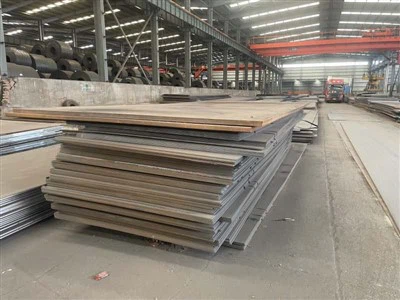
Selecting the appropriate welded steel pipe for your project is a critical decision that can significantly impact its success. As a seasoned welded steel pipe supplier, I understand the complexities and challenges that come with this choice. In this blog post, I'll share some valuable insights and considerations to help you make an informed decision.
Understanding Your Project Requirements
The first step in choosing the right welded steel pipe is to thoroughly understand your project requirements. Consider the following aspects:
Application
The intended application of the steel pipe is a primary factor. Different projects have different demands. For example, if you're working on a water supply system, you'll need a pipe that is corrosion - resistant and can handle the specific water pressure. On the other hand, if it's for structural support in a building, the pipe must have high strength and durability to withstand the load.
Environment
The environment in which the pipe will be installed is crucial. Pipes exposed to harsh weather conditions, such as extreme temperatures, high humidity, or corrosive chemicals, require special coatings or materials. For instance, in a coastal area where the air is salty, a pipe with a high - quality anti - corrosion coating is essential to prevent rusting.
Size and Dimensions
Accurately determining the required size and dimensions of the welded steel pipe is vital. This includes the outer diameter, wall thickness, and length. The size will depend on the flow rate (for fluid - carrying applications), the load - bearing capacity (for structural applications), and the space available for installation.
Types of Welded Steel Pipes
There are several types of welded steel pipes available in the market, each with its own characteristics and suitable applications.
Submerged Steel Pipe
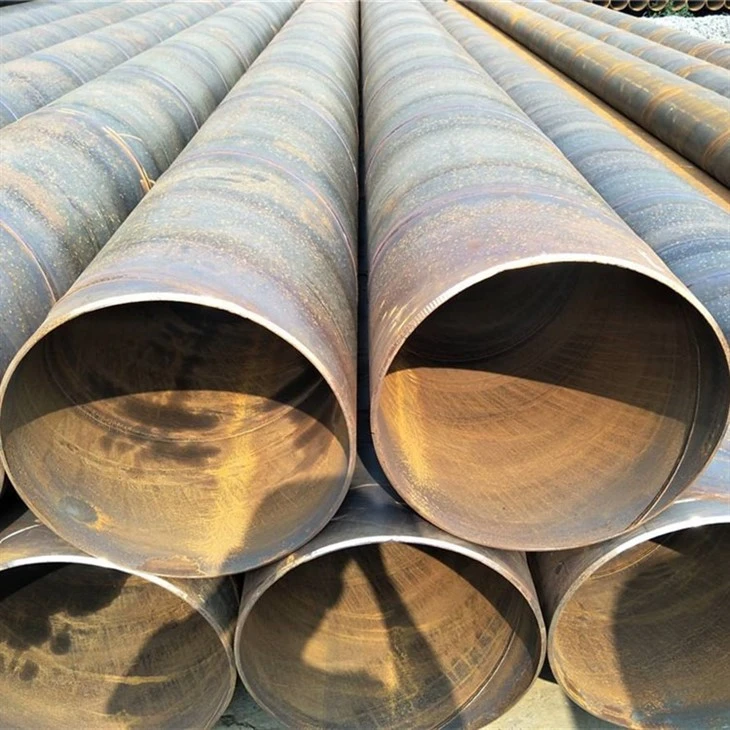
Submerged steel pipes are commonly used in underwater applications, such as offshore oil and gas pipelines, water intake and discharge systems. These pipes are designed to withstand high external pressure and corrosion from water. The Submerged Steel Pipe has excellent welding quality and is often made from high - strength steel to ensure long - term reliability in the harsh underwater environment.

Straight Seam Pipe
Straight seam pipes are produced by welding along a single straight line. They are widely used in various industries due to their relatively simple manufacturing process and cost - effectiveness. The Straight Seam Pipe is suitable for applications where high pressure is not a major concern, such as in general structural support, low - pressure fluid transportation, and some construction projects.
High Frequency Steel Pipe
High frequency steel pipes are welded using high - frequency induction heating. This welding method results in a strong and precise weld. The High Frequency Steel Pipe is often used in applications that require high - precision and high - strength pipes, such as in the automotive industry for exhaust systems and in some mechanical engineering applications.
Material Considerations
The material of the welded steel pipe is another important factor. The most common materials include carbon steel, stainless steel, and alloy steel.
Carbon Steel
Carbon steel is the most widely used material for welded steel pipes. It is known for its high strength, good weldability, and relatively low cost. However, carbon steel is prone to corrosion, especially in humid or corrosive environments. Therefore, it often requires additional coatings or treatments to enhance its corrosion resistance.
Stainless Steel
Stainless steel pipes offer excellent corrosion resistance, making them suitable for applications where hygiene and durability are crucial, such as in the food and beverage industry, pharmaceutical industry, and some marine applications. Although stainless steel is more expensive than carbon steel, its long - term performance and low maintenance requirements can offset the initial cost.
Alloy Steel
Alloy steel pipes are made by adding various alloying elements to carbon steel, such as chromium, nickel, and molybdenum. These alloying elements improve the pipe's strength, toughness, and corrosion resistance. Alloy steel pipes are commonly used in high - temperature and high - pressure applications, such as in power plants and the petrochemical industry.
Quality and Standards
When choosing a welded steel pipe, it's essential to ensure that it meets the relevant quality standards. Reputable suppliers will provide pipes that comply with national and international standards, such as ASTM (American Society for Testing and Materials), API (American Petroleum Institute), and ISO (International Organization for Standardization).
Quality control during the manufacturing process is also crucial. This includes inspections of the raw materials, welding quality, dimensional accuracy, and surface finish. A reliable supplier will have a comprehensive quality control system in place to ensure that each pipe meets the specified requirements.
Supplier Reputation
Selecting a trustworthy supplier is as important as choosing the right type of welded steel pipe. A good supplier should have a proven track record in the industry, offer high - quality products, and provide excellent customer service.
Look for suppliers who have experience in supplying pipes for projects similar to yours. Check their customer reviews and testimonials to get an idea of their reliability and the quality of their products. A reliable supplier will also be able to provide technical support and advice throughout the project.
Cost - Benefit Analysis
Finally, conducting a cost - benefit analysis is necessary. While it's important to consider the initial cost of the welded steel pipe, you should also take into account the long - term costs, such as maintenance, replacement, and operational costs.
A cheaper pipe may seem like a good option initially, but if it requires frequent maintenance or has a short lifespan, it may end up being more expensive in the long run. On the other hand, a high - quality pipe with a higher upfront cost may save you money in the long term due to its durability and low maintenance requirements.
Conclusion
Choosing the right welded steel pipe for your project requires a comprehensive understanding of your project requirements, knowledge of the different types of pipes available, and careful consideration of material, quality, supplier, and cost - benefit factors. As a welded steel pipe supplier, I am committed to providing you with the best products and services to meet your specific needs.
If you're currently working on a project and need assistance in selecting the right welded steel pipe, or if you have any questions about our products, please don't hesitate to contact us. We're here to help you make the best decision for your project.
References
- ASTM International Standards for Steel Pipes
- API Standards for Oil and Gas Industry Pipes
- ISO Standards for Welded Steel Pipes