What are the tariffs for importing alloy steel pipe?
As a seasoned supplier of alloy steel pipes, I've witnessed firsthand the impact of tariffs on the global trade of these essential industrial products. Alloy steel pipes are used in a wide range of applications, from oil and gas transportation to power generation and construction. Understanding the tariffs associated with importing these pipes is crucial for both suppliers and buyers, as it can significantly affect the cost and competitiveness of the products.
Factors Influencing Import Tariffs
Tariffs on alloy steel pipes are determined by a variety of factors, including the country of origin, the type of alloy steel, and the specific application of the pipes. Here are some of the key factors that influence import tariffs:
- Country of Origin: Different countries have different trade agreements and tariff policies. For example, countries that have free trade agreements with each other may have lower or zero tariffs on alloy steel pipes. On the other hand, countries that impose high tariffs on steel imports may do so to protect their domestic steel industry.
- Type of Alloy Steel: The composition of the alloy steel can also affect the tariff rate. Some alloy steels may be subject to higher tariffs due to their specialized properties or limited availability. For instance, pipes made from high-strength or corrosion-resistant alloy steels may attract higher tariffs compared to standard carbon steel pipes.
- Product Classification: The way the alloy steel pipes are classified under the Harmonized System (HS) code can also impact the tariff rate. The HS code is an international standard for classifying traded products, and each code corresponds to a specific tariff rate. It's important to ensure that the pipes are correctly classified to avoid overpaying or underpaying tariffs.
Tariff Rates in Major Markets
Let's take a look at the tariff rates for importing alloy steel pipes in some of the major markets around the world:
- United States: The United States has been actively imposing tariffs on steel imports in recent years to protect its domestic steel industry. As of [current year], the tariff rate for alloy steel pipes imported into the United States can range from [X]% to [Y]%, depending on the specific product and country of origin. These tariffs have had a significant impact on the cost of importing alloy steel pipes into the US market.
- European Union: The European Union also has a complex tariff system for steel imports. The tariff rates for alloy steel pipes can vary depending on the country of origin and the type of product. In general, the EU imposes anti-dumping and countervailing duties on steel imports from certain countries to address unfair trade practices. These duties can significantly increase the cost of importing alloy steel pipes into the EU market.
- China: China is one of the largest producers and exporters of alloy steel pipes in the world. The Chinese government has implemented various policies to regulate the steel industry and promote domestic consumption. The tariff rates for importing alloy steel pipes into China can vary depending on the specific product and the trade agreement between China and the exporting country.
Impact of Tariffs on the Industry
The imposition of tariffs on alloy steel pipes can have a profound impact on the industry, affecting both suppliers and buyers. Here are some of the key impacts:
- Cost Increase: Tariffs directly increase the cost of importing alloy steel pipes, which can make them less competitive in the market. This can lead to higher prices for end-users, such as construction companies and manufacturers, and may reduce the demand for alloy steel pipes.
- Supply Chain Disruptions: Tariffs can also disrupt the global supply chain for alloy steel pipes. Suppliers may need to find alternative sources of supply or adjust their production and distribution strategies to avoid the impact of tariffs. This can lead to delays in delivery and increased costs for both suppliers and buyers.
- Market Uncertainty: The uncertainty surrounding tariff policies can make it difficult for suppliers and buyers to plan and make investment decisions. Fluctuations in tariff rates can create volatility in the market, making it challenging to predict future costs and demand.
Our Role as a Supplier
As a leading supplier of alloy steel pipes, we understand the challenges posed by tariffs and are committed to providing our customers with the best possible solutions. We work closely with our customers to understand their specific needs and help them navigate the complex tariff landscape. Here are some of the ways we can assist our customers:

- Tariff Analysis: We conduct in-depth tariff analysis to help our customers understand the potential impact of tariffs on their imports. Our team of experts can provide detailed information on tariff rates, product classification, and trade agreements to help our customers make informed decisions.
- Supply Chain Optimization: We have a global network of suppliers and partners, which allows us to source alloy steel pipes from different countries to minimize the impact of tariffs. We can also help our customers optimize their supply chain by finding alternative sources of supply or adjusting their inventory management strategies.
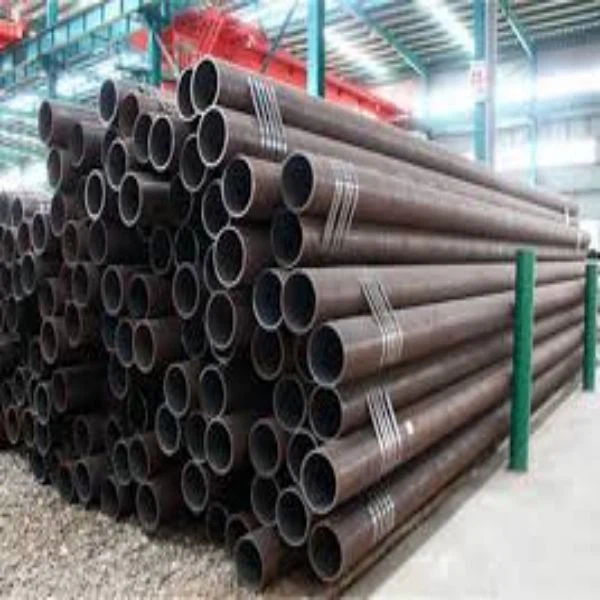
- Product Selection: We offer a wide range of alloy steel pipes, including A199 T11 Alloy Steel Tube, Astm A213 T5 Alloy Steel Pipe, and A199 T22 Alloy Steel Tube. Our team of experts can help our customers select the right product for their specific application, taking into account factors such as cost, performance, and availability.
Contact Us for Procurement
If you're interested in purchasing alloy steel pipes and would like to learn more about the tariffs and our products, please don't hesitate to contact us. Our team of experts is ready to assist you with your procurement needs and provide you with the best possible solutions. Whether you're a construction company, a manufacturer, or an industrial user, we can help you find the right alloy steel pipes at the most competitive prices.
References
- World Trade Organization (WTO) - Tariff Database
- International Trade Centre (ITC) - Trade Map
- US International Trade Commission (USITC) - Tariff Data
- European Commission - Trade Tariff Finder
- Chinese Customs - Tariff Information