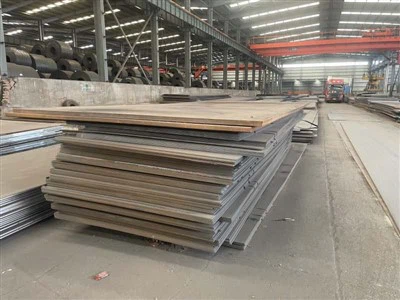
As a supplier of Bridge Steel Plate, I've witnessed firsthand the dynamic shifts in the market and the evolving demand trends. In this blog, I'll delve into the factors influencing the demand for Bridge Steel Plate, explore the current trends, and discuss what the future might hold for this essential construction material.
Factors Influencing the Demand for Bridge Steel Plate
Infrastructure Development
One of the primary drivers of the demand for Bridge Steel Plate is infrastructure development. Governments around the world are investing heavily in building and upgrading bridges to improve transportation networks, enhance connectivity, and support economic growth. For instance, large - scale infrastructure projects such as the Belt and Road Initiative have spurred significant demand for bridge construction materials, including steel plates. New bridges are being constructed in emerging economies to accommodate increasing traffic volumes and to connect remote areas, while in developed countries, aging bridges need to be replaced or strengthened.
Technological Advancements
Advancements in steel - making technology have also played a crucial role in shaping the demand for Bridge Steel Plate. Modern manufacturing processes have enabled the production of high - strength, lightweight, and corrosion - resistant steel plates. These advanced materials offer better performance and durability, making them ideal for bridge construction. For example, Q355D High Strength Low Alloy Steel combines high strength with good weldability, allowing for more efficient and cost - effective bridge construction.
Environmental Considerations
In recent years, environmental concerns have become a significant factor in the demand for Bridge Steel Plate. Steel is a highly recyclable material, and using steel plates in bridge construction aligns with the growing trend towards sustainable building practices. Many bridge projects now prioritize the use of recycled steel and low - carbon steel products to reduce their environmental impact. Additionally, steel bridges have a longer lifespan compared to some other materials, which means less frequent replacement and lower overall environmental costs over the long term.
Economic Conditions
The overall economic conditions of a region or country can greatly influence the demand for Bridge Steel Plate. During periods of economic growth, there is typically more investment in infrastructure projects, leading to increased demand for steel plates. Conversely, during economic downturns, infrastructure spending may be reduced, resulting in a decline in demand. Interest rates also play a role, as lower interest rates can make borrowing for infrastructure projects more affordable, thereby stimulating demand for bridge construction materials.
Current Demand Trends
Growth in Emerging Markets
Emerging markets are experiencing rapid urbanization and industrialization, which has led to a significant increase in the demand for Bridge Steel Plate. Countries in Asia, Africa, and South America are investing heavily in building new bridges to support their growing economies. For example, in India, the government's focus on improving transportation infrastructure has led to numerous bridge construction projects across the country. These projects require large quantities of high - quality steel plates, driving up the demand in the region.


High - Strength Steel Preferences
There is a clear trend towards the use of high - strength steel plates in bridge construction. High - strength steels such as Q420qD High Strength Low Alloy Steel and Q420qC High Strength Low Alloy Steel offer several advantages, including reduced weight, smaller cross - sections, and increased load - carrying capacity. This not only allows for more efficient bridge design but also reduces the amount of material required, resulting in cost savings. As a result, engineers and contractors are increasingly specifying high - strength steel plates for new bridge projects.
Customization and Special - Purpose Steel Plates
The demand for customized and special - purpose steel plates is on the rise. Bridge projects often have unique design requirements, such as specific dimensions, shapes, and performance characteristics. Steel plate suppliers are now offering more customization options to meet these needs. For example, some projects may require steel plates with special coatings for enhanced corrosion resistance in harsh environments, or plates with specific mechanical properties for seismic - resistant bridges.
Modular Bridge Construction
Modular bridge construction is becoming more popular, and this trend is also influencing the demand for Bridge Steel Plate. Modular bridges are pre - fabricated off - site and then assembled on - site, which reduces construction time and disruption. Steel plates are an ideal material for modular bridge components due to their strength and ease of fabrication. The demand for steel plates suitable for modular bridge construction is expected to continue to grow as more projects adopt this construction method.
Future Outlook
Continued Growth in Demand
Looking ahead, the demand for Bridge Steel Plate is expected to continue to grow, especially in emerging markets. As these countries continue to develop their infrastructure, the need for new bridges and bridge upgrades will remain high. Additionally, the ongoing technological advancements in steel production are likely to further increase the demand for high - performance steel plates.
Innovation in Steel Plate Technology
The steel industry is constantly innovating, and we can expect to see further developments in Bridge Steel Plate technology. This may include the development of even stronger, lighter, and more sustainable steel materials. For example, research is underway to create steel plates with self - healing properties, which could significantly extend the lifespan of bridges and reduce maintenance costs.
Integration of Smart Technologies
In the future, we may see the integration of smart technologies into bridge construction using steel plates. Smart sensors can be embedded in steel bridges to monitor their structural health in real - time, allowing for early detection of potential problems and timely maintenance. This trend will require the development of new types of steel plates that can accommodate these smart technologies.
Conclusion
The demand for Bridge Steel Plate is influenced by a variety of factors, including infrastructure development, technological advancements, environmental considerations, and economic conditions. Current trends show a growth in emerging markets, a preference for high - strength steel, an increase in customization, and the rise of modular bridge construction. Looking to the future, we can expect continued growth in demand, along with further innovation in steel plate technology and the integration of smart technologies.
As a supplier of Bridge Steel Plate, we are committed to meeting the evolving needs of our customers. We offer a wide range of high - quality steel plates, including Q355D High Strength Low Alloy Steel, Q420qD High Strength Low Alloy Steel, and Q420qC High Strength Low Alloy Steel. If you are involved in a bridge construction project or are looking for reliable steel plate suppliers, we would be delighted to discuss your requirements and provide you with the best solutions. Contact us today to start a procurement discussion.
References
- American Iron and Steel Institute. (2023). Steel in Bridge Construction.
- World Bank. (2023). Infrastructure Development in Emerging Economies.
- International Journal of Steel Structures. (2023). Advances in High - Strength Steel for Bridge Applications.