Hey there! As a carbon steel plate supplier, I often get asked whether carbon steel plates are suitable for applications with creep requirements. Creep is a time-dependent deformation that occurs under a constant load at elevated temperatures. It's a crucial factor to consider in industries like power generation, petrochemicals, and aerospace, where components are exposed to high temperatures and stress for extended periods.
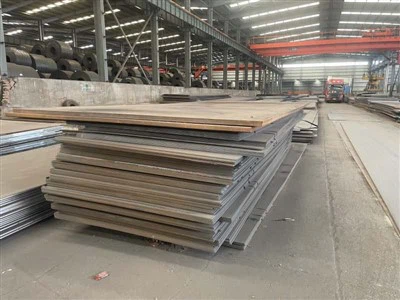
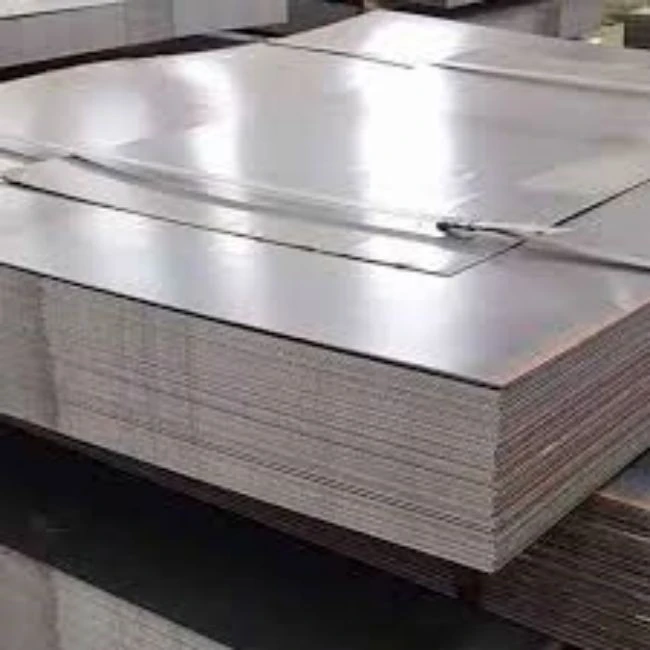
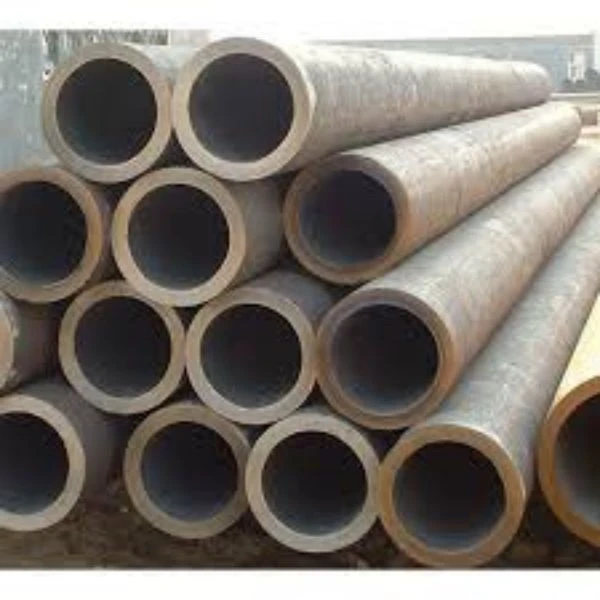
Let's first understand what carbon steel plates are. Carbon steel is an alloy primarily made of iron and carbon, with small amounts of other elements like manganese, silicon, and sulfur. It's known for its strength, durability, and relatively low cost, which makes it a popular choice in various applications. We offer different types of carbon steel plates, such as ASTM A106B Standard Carbon Steel Pipe, Carbon Steel Plate Q345D, and S355 Carbon Steel Plate.
Now, let's talk about creep. When a material is under stress at high temperatures, the atoms start to move around, causing the material to deform slowly over time. This can lead to failure if not properly accounted for. The creep behavior of a material depends on several factors, including the temperature, the applied stress, the time of exposure, and the material's composition and microstructure.
So, is carbon steel plate suitable for applications with creep requirements? Well, it depends. Carbon steel has some limitations when it comes to creep resistance. At high temperatures, the carbon in the steel can react with other elements, forming carbides that can weaken the material and increase its susceptibility to creep. Also, the relatively simple microstructure of carbon steel doesn't provide as much resistance to creep as some other alloy steels.
However, carbon steel can still be used in certain applications with creep requirements. For lower temperature and stress conditions, carbon steel plates can offer sufficient creep resistance. For example, in some industrial heating systems where the temperatures are not extremely high, carbon steel pipes and plates can be used. The key is to carefully select the right grade of carbon steel and ensure that the operating conditions are within its capabilities.
Let's take a closer look at the factors that affect the creep performance of carbon steel plates.
Temperature
Temperature is one of the most critical factors in creep. As the temperature increases, the rate of creep also increases significantly. Carbon steel has a limited temperature range where it can maintain its mechanical properties. Generally, for carbon steel, the creep becomes a significant concern at temperatures above 400°C (752°F). At these temperatures, the carbon in the steel starts to diffuse, and the microstructure begins to change, leading to a decrease in strength and an increase in creep rate.
Stress
The applied stress also plays a crucial role in creep. Higher stress levels will cause the material to deform more quickly. When designing components for applications with creep requirements, it's essential to calculate the stress levels accurately and ensure that they are within the allowable limits for the chosen carbon steel grade.
Time
Creep is a time-dependent phenomenon. The longer the material is exposed to high temperatures and stress, the more it will deform. In some long-term applications, such as power plants that operate continuously for years, even a small amount of creep can accumulate over time and lead to significant deformation or failure.
Composition and Microstructure
The composition and microstructure of carbon steel can affect its creep resistance. Adding small amounts of alloying elements like chromium, molybdenum, and vanadium can improve the creep properties of carbon steel. These elements form stable carbides that help to strengthen the material and reduce the rate of creep. Also, a fine-grained microstructure can provide better creep resistance compared to a coarse-grained one.
In some cases, carbon steel plates may need to be heat-treated to improve their creep performance. Heat treatment can help to refine the microstructure and enhance the material's strength and hardness. For example, normalizing or quenching and tempering can be used to improve the mechanical properties of carbon steel.
So, when should you choose carbon steel plates for applications with creep requirements? If the operating temperature is relatively low (below 400°C), the stress levels are moderate, and the service life is not extremely long, carbon steel can be a cost-effective option. It offers good strength and durability, and with proper design and maintenance, it can meet the requirements of many applications.
However, if the application involves high temperatures (above 400°C), high stress levels, or long service life, you may need to consider other alloy steels with better creep resistance. Alloy steels like chromium-molybdenum steels or stainless steels are designed to perform well under high-temperature and high-stress conditions.
As a carbon steel plate supplier, I can help you select the right grade of carbon steel for your specific application. We have a wide range of carbon steel plates available, and our team of experts can provide you with technical support and advice. Whether you need ASTM A106B Standard Carbon Steel Pipe, Carbon Steel Plate Q345D, or S355 Carbon Steel Plate, we can meet your needs.

If you're interested in purchasing carbon steel plates for your application with creep requirements, feel free to get in touch with us. We can discuss your specific requirements, provide you with a quote, and help you make the right choice. Our goal is to provide you with high-quality carbon steel plates at competitive prices and excellent customer service.
In conclusion, carbon steel plates can be suitable for applications with creep requirements under certain conditions. By understanding the factors that affect creep and carefully selecting the right grade of carbon steel, you can ensure the reliability and performance of your components. So, don't hesitate to reach out to us if you have any questions or need help with your carbon steel plate selection.
References
- ASM Handbook Volume 2: Properties and Selection: Nonferrous Alloys and Special-Purpose Materials
- Perry's Chemical Engineers' Handbook
- The Welding Institute (TWI) - Creep in Metals and Alloys