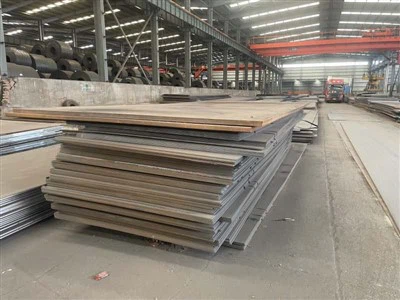
As a rebar steel supplier, I've encountered numerous inquiries regarding the most efficient and reliable methods of transporting rebar steel. This topic is of paramount importance as improper transportation can lead to damage, deformation, and delays in construction projects. In this blog post, I'll share some insights on the best ways to transport rebar steel, taking into account factors such as safety, cost - effectiveness, and preservation of the product's quality.
Understanding the Characteristics of Rebar Steel
Before delving into transportation methods, it's crucial to understand the nature of rebar steel. Rebar, short for reinforcing bar, is a steel bar used to strengthen and hold the concrete in tension. It comes in various grades, such as HRB 500E and HRB 400E, each with specific strength and ductility requirements. These bars are typically long, heavy, and can be prone to corrosion if not properly protected. Their size and weight make them challenging to handle, but with the right approach, transportation can be smooth and efficient.

Transportation by Trucks
One of the most common ways to transport rebar steel is by trucks. Trucks offer several advantages. Firstly, they provide flexibility in terms of delivery routes and schedules. They can reach construction sites directly, even in remote or hard - to - access areas. This direct delivery reduces the need for additional handling and transfers, minimizing the risk of damage to the rebar.
When using trucks for transportation, it's essential to ensure proper loading. The rebar should be stacked in an orderly manner to prevent shifting during transit. Straps or chains should be used to secure the load firmly to the truck bed. This not only ensures the safety of the driver and other road users but also protects the rebar from damage due to movement.
Moreover, trucks can be equipped with tarps or covers to protect the rebar from the elements. Rain, snow, and sunlight can cause corrosion or surface damage to the steel. A well - covered load helps maintain the quality of the rebar until it reaches its destination.

Rail Transportation
Rail transportation is another viable option for moving large quantities of rebar steel over long distances. Trains can carry a significant amount of cargo at once, which is cost - effective for bulk shipments. The stability of trains also reduces the risk of damage during transit compared to some other modes of transportation.
For rail transport, the rebar is usually loaded into specialized railcars. These railcars are designed to accommodate long and heavy items like rebar. Similar to truck transportation, proper securing of the load is crucial. Railroads have strict safety regulations, and failure to comply can lead to accidents and delays.
One of the drawbacks of rail transportation is the lack of direct access to construction sites. Once the rebar reaches the rail terminal, it often needs to be transferred to trucks for the final leg of the journey. This additional handling can increase the risk of damage and add to the overall transportation time.

Shipping by Sea
If you're dealing with international rebar steel shipments, sea transportation is often the preferred choice. Large container ships can carry vast amounts of rebar across oceans at relatively low cost per unit. However, shipping by sea also has its challenges.
The rebar needs to be properly packed and secured in containers to prevent movement and damage during the long journey. Corrosion protection is also a major concern, as the saltwater environment can accelerate rusting. Special coatings or wrapping materials may be used to protect the rebar from the harsh marine conditions.
Port handling is another aspect to consider. At the ports, the rebar may be subject to multiple handling operations, including loading and unloading from the ship and transfer to trucks or trains for inland transportation. Ensuring that these operations are carried out carefully is essential to maintain the integrity of the rebar.

Special Considerations for Transportation
Regardless of the mode of transportation, there are several special considerations to keep in mind.
Corrosion Prevention: As mentioned earlier, rebar is prone to corrosion. During transportation, it's vital to protect the steel from moisture and other corrosive elements. This can be achieved through the use of coatings, wraps, or desiccants. Regular inspections during transit can also help detect early signs of corrosion and allow for timely corrective action.
Weight and Dimensions: Rebar comes in different lengths and weights. It's important to ensure that the transportation vehicle can handle the load. Overloading can not only damage the vehicle but also pose a safety hazard on the road or rails. Additionally, the dimensions of the rebar need to be considered to ensure proper loading and compliance with transportation regulations.
Safety Regulations: Each mode of transportation is subject to specific safety regulations. For trucks, there are rules regarding load limits, securing of the load, and driver hours. Railroads and shipping companies also have their own sets of regulations. As a rebar steel supplier, it's our responsibility to ensure that all transportation operations comply with these regulations to avoid fines and ensure the safety of everyone involved.
Cost - Benefit Analysis
When choosing the best way to transport rebar steel, a cost - benefit analysis is essential. While trucks offer flexibility, they may be more expensive for long - distance or bulk shipments. Rail transportation is cost - effective for large volumes over long distances but may involve additional handling costs. Sea transportation is suitable for international shipments but has its own set of expenses related to containerization, port handling, and insurance.
It's important to balance the cost of transportation with the need to protect the quality of the rebar and meet the delivery schedule. A thorough analysis of the specific requirements of each shipment can help determine the most cost - effective transportation method.
Conclusion
In conclusion, there is no one - size - fits - all answer to the question of the best way to transport rebar steel. The choice depends on various factors such as the quantity of the shipment, the distance to the destination, the accessibility of the construction site, and the budget. As a rebar steel supplier, we need to carefully evaluate these factors for each order and choose the transportation method that offers the best combination of safety, cost - effectiveness, and product protection.
If you're in the market for high - quality rebar steel like HRB 500E or HRB 400E and want to discuss the best transportation options for your project, we're here to help. Contact us for a detailed consultation and let's work together to ensure your construction project runs smoothly.
References
- "Steel Construction Manual", American Institute of Steel Construction
- "Transportation Safety Regulations", Department of Transportation (relevant country)
- Industry reports on rebar steel transportation from leading market research firms.