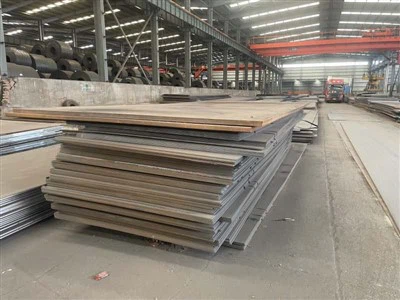
Cold rolled steel is a popular material in various industries due to its smooth finish, precise dimensions, and enhanced mechanical properties. One common question that arises among our customers is whether cold rolled steel is magnetic. In this blog post, I'll delve into the magnetic properties of cold rolled steel, explain the factors that influence its magnetism, and address some frequently asked questions on the topic. As a cold rolled steel supplier, I hope this information will help you make informed decisions for your projects.
Understanding Magnetism in Metals
Before we discuss the magnetic properties of cold rolled steel, it's essential to understand the basics of magnetism in metals. Magnetism is a property of certain materials that can attract or repel other magnetic materials. Metals can be classified into three categories based on their magnetic behavior: ferromagnetic, paramagnetic, and diamagnetic.
- Ferromagnetic materials: These materials are strongly attracted to magnetic fields and can retain their magnetism even after the external magnetic field is removed. Examples of ferromagnetic materials include iron, nickel, cobalt, and some of their alloys.
- Paramagnetic materials: These materials are weakly attracted to magnetic fields and lose their magnetism when the external magnetic field is removed. Examples of paramagnetic materials include aluminum, platinum, and manganese.
- Diamagnetic materials: These materials are weakly repelled by magnetic fields and do not retain any magnetism. Examples of diamagnetic materials include copper, silver, and gold.
Is Cold Rolled Steel Magnetic?
The short answer is yes, cold rolled steel is magnetic. Cold rolled steel is made from hot rolled steel, which is primarily composed of iron. Since iron is a ferromagnetic material, cold rolled steel inherits its magnetic properties. When a magnetic field is applied to cold rolled steel, the iron atoms align themselves with the magnetic field, creating a magnetic force.
However, the degree of magnetism in cold rolled steel can vary depending on several factors, including the composition of the steel, the manufacturing process, and the presence of other elements. Let's take a closer look at these factors.
Factors Affecting the Magnetism of Cold Rolled Steel
Composition of the Steel
The composition of cold rolled steel plays a significant role in its magnetic properties. As mentioned earlier, iron is the primary component of cold rolled steel, and its high iron content makes it ferromagnetic. However, the presence of other elements in the steel can affect its magnetism. For example, adding nickel or chromium to the steel can reduce its magnetism, while adding cobalt can increase it.
Manufacturing Process
The manufacturing process of cold rolled steel can also influence its magnetism. Cold rolling is a process that involves passing hot rolled steel through a series of rollers at room temperature to reduce its thickness and improve its surface finish. During this process, the steel undergoes significant deformation, which can change the orientation of the iron atoms in the steel. This can affect the magnetic properties of the steel, making it more or less magnetic.
Presence of Other Elements
The presence of other elements in the steel can also affect its magnetism. For example, if the steel contains non-magnetic elements such as copper or aluminum, these elements can reduce the overall magnetism of the steel. On the other hand, if the steel contains magnetic elements such as nickel or cobalt, these elements can increase the magnetism of the steel.
Applications of Magnetic Cold Rolled Steel
The magnetic properties of cold rolled steel make it suitable for a wide range of applications. Here are some common applications of magnetic cold rolled steel:
- Electrical Transformers: Cold rolled steel is commonly used in the core of electrical transformers. The magnetic properties of the steel allow it to efficiently transfer electrical energy from one circuit to another by creating a magnetic field.
- Motors and Generators: Cold rolled steel is also used in the construction of motors and generators. The magnetic properties of the steel help to convert electrical energy into mechanical energy (in motors) or mechanical energy into electrical energy (in generators).
- Magnetic Storage Devices: Cold rolled steel is used in the manufacturing of magnetic storage devices such as hard drives and magnetic tapes. The magnetic properties of the steel allow it to store and retrieve data by magnetizing and demagnetizing small regions on the surface of the storage medium.
- Magnetic Separators: Cold rolled steel is used in magnetic separators to separate magnetic materials from non-magnetic materials. The magnetic force of the steel attracts the magnetic materials, allowing them to be separated from the non-magnetic materials.
Frequently Asked Questions
Can cold rolled steel be demagnetized?
Yes, cold rolled steel can be demagnetized. Demagnetization is the process of removing the magnetic properties of a material. There are several methods of demagnetizing cold rolled steel, including heating the steel to a high temperature, applying an alternating magnetic field, or using a demagnetizing coil.
Is all cold rolled steel equally magnetic?
No, not all cold rolled steel is equally magnetic. The magnetism of cold rolled steel can vary depending on its composition, the manufacturing process, and the presence of other elements. Some cold rolled steels may have a higher iron content, which makes them more magnetic, while others may have a lower iron content or contain other elements that reduce their magnetism.
Can the magnetism of cold rolled steel be increased?
Yes, the magnetism of cold rolled steel can be increased by adding magnetic elements such as cobalt or by heat treating the steel. Heat treating the steel can change the crystal structure of the iron atoms, making them more aligned with the magnetic field and increasing the magnetism of the steel.
Conclusion
In conclusion, cold rolled steel is magnetic due to its high iron content. However, the degree of magnetism in cold rolled steel can vary depending on several factors, including the composition of the steel, the manufacturing process, and the presence of other elements. The magnetic properties of cold rolled steel make it suitable for a wide range of applications, including electrical transformers, motors and generators, magnetic storage devices, and magnetic separators.


If you're in the market for cold rolled steel, Steel Plate Cold Rolled is a great option. We offer a wide range of cold rolled steel products that are known for their high quality and magnetic properties. Whether you need cold rolled steel for a small project or a large-scale industrial application, we can provide you with the right solution.
If you have any questions or would like to discuss your cold rolled steel requirements, please don't hesitate to contact us. Our team of experts is always ready to assist you and help you find the best cold rolled steel products for your needs. Let's start a conversation and explore how we can work together to meet your project goals.
References
- ASM Handbook, Volume 1: Properties and Selection: Irons, Steels, and High-Performance Alloys
- Metals Handbook: Properties and Selection: Irons, Steels, and High-Performance Alloys
- Introduction to Physical Metallurgy by Sidney H. Avner