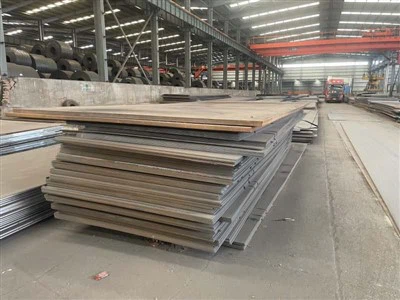
Pressure vessel steel plates are the backbone of numerous industrial applications, from chemical processing plants to power generation facilities. Their durability and reliability under extreme conditions are essential. However, one of the most significant threats to these steel plates is corrosion. Corrosion can weaken the structure, compromise safety, and lead to costly repairs or replacements. As a seasoned pressure vessel steel plates supplier, I understand the critical importance of anti - corrosion coatings in safeguarding these vital components. In this blog, I will explore the various anti - corrosion coating options available for pressure vessel steel plates.


Epoxy Coatings
Epoxy coatings are a popular choice for pressure vessel steel plates due to their excellent adhesion, chemical resistance, and durability. These coatings are made up of two components: a resin and a hardener. When mixed, they undergo a chemical reaction that forms a tough, protective film on the surface of the steel.
One of the key advantages of epoxy coatings is their ability to resist a wide range of chemicals, including acids, alkalis, and solvents. This makes them ideal for use in chemical processing plants and other industrial environments where the steel plates are exposed to harsh chemicals. Epoxy coatings also have good abrasion resistance, which helps to protect the steel from mechanical damage.
However, epoxy coatings do have some limitations. They can be sensitive to temperature and humidity during the application process, which can affect the quality of the coating. Additionally, they may not be suitable for use in high - temperature applications, as they can start to break down at elevated temperatures.
Polyurethane Coatings
Polyurethane coatings are another common option for anti - corrosion protection of pressure vessel steel plates. These coatings offer excellent flexibility, impact resistance, and weatherability. They are often used in outdoor applications where the steel plates are exposed to the elements.
Polyurethane coatings can provide a high - gloss finish, which not only looks aesthetically pleasing but also helps to reflect sunlight, reducing the heat absorption of the steel. This can be beneficial in applications where the temperature of the pressure vessel needs to be controlled.
One drawback of polyurethane coatings is that they may not have the same level of chemical resistance as epoxy coatings. They are also more expensive than some other coating options. However, their long - term durability and performance in outdoor environments often make them a cost - effective choice.
Zinc - Rich Coatings
Zinc - rich coatings are a type of sacrificial coating that provides excellent corrosion protection for steel. These coatings contain a high concentration of zinc powder, which acts as an anode. When the coating is exposed to a corrosive environment, the zinc powder corrodes preferentially to the steel, providing cathodic protection.
Zinc - rich coatings are particularly effective in environments with high humidity or where the steel is exposed to saltwater. They can be applied as a primer, followed by a topcoat of epoxy or polyurethane for additional protection.
The main advantage of zinc - rich coatings is their ability to provide long - term corrosion protection. However, they require careful surface preparation to ensure good adhesion. If the surface is not properly cleaned and roughened, the coating may not adhere well, leading to reduced performance.
Ceramic Coatings
Ceramic coatings are a relatively new option for anti - corrosion protection of pressure vessel steel plates. These coatings offer excellent heat resistance, chemical resistance, and hardness. They can be used in high - temperature applications where other coating options may not be suitable.
Ceramic coatings are typically applied using a high - temperature spray process. Once applied, they form a dense, protective layer on the surface of the steel. This layer can withstand extreme temperatures and harsh chemical environments.
However, ceramic coatings are more expensive than some of the other coating options. They also require specialized equipment and expertise for application, which can add to the overall cost.
Factors to Consider When Choosing a Coating
When choosing an anti - corrosion coating for pressure vessel steel plates, several factors need to be considered:
- Environment: The type of environment the pressure vessel will be exposed to is a crucial factor. For example, if the vessel will be used in a chemical processing plant, a coating with high chemical resistance, such as an epoxy coating, may be required. In a coastal area, a zinc - rich coating may be more suitable due to its ability to resist saltwater corrosion.
- Temperature: The operating temperature of the pressure vessel is another important consideration. If the vessel will operate at high temperatures, a ceramic coating or a high - temperature - resistant epoxy coating may be necessary.
- Cost: The cost of the coating, including the cost of materials and application, needs to be considered. While some coatings, such as ceramic coatings, may offer superior performance, they may also be more expensive. A cost - benefit analysis should be conducted to determine the most suitable option.
- Application Method: The ease of application of the coating is also important. Some coatings require specialized equipment and experienced applicators, while others can be applied using more common methods.
Our Product Range
As a pressure vessel steel plates supplier, we offer a wide range of high - quality steel plates, including JIS G3116 SG295 Gas Cylinder Steel Coil, A516Gr70 Boiler Steel Plate, EN 10028 – P275NH/NL1/NL2 Pressure Vessel Steel Plate, ASTM A516 Gr 70n, and A516 Gr70 Steel Plate For Boiler. We can also provide professional advice on the selection of anti - corrosion coatings for these steel plates based on your specific requirements.
Conclusion
Choosing the right anti - corrosion coating for pressure vessel steel plates is essential for ensuring their long - term performance and reliability. Each coating option has its own advantages and disadvantages, and the choice depends on various factors such as the environment, temperature, cost, and application method. As a pressure vessel steel plates supplier, we are committed to helping our customers make the best choice for their applications. If you are in need of high - quality pressure vessel steel plates and professional advice on anti - corrosion coatings, please feel free to contact us for procurement and further discussions.
References
- Paint and Coating Technology Handbook, edited by Paulelli, et al.
- Corrosion Control in the Chemical Process Industry, by Dillon.