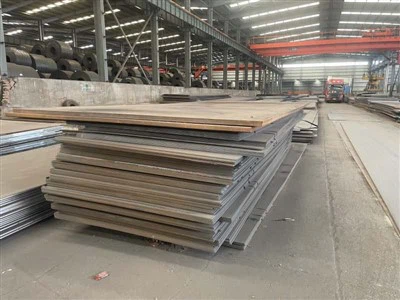
When it comes to the world of steel, two commonly discussed types are cold rolled steel and carbon steel. As a supplier of cold rolled steel, I've had numerous inquiries about the differences between these two materials. In this blog, I'll delve into the characteristics, manufacturing processes, applications, and other aspects that set cold rolled steel and carbon steel apart.
Manufacturing Processes
The manufacturing process is one of the fundamental factors that differentiate cold rolled steel and carbon steel.
Carbon Steel
Carbon steel is produced primarily through a basic steel - making process. It starts with iron ore, which is refined in a blast furnace to produce pig iron. Pig iron contains a relatively high amount of carbon and other impurities. To turn it into carbon steel, the pig iron is further processed in a basic oxygen furnace or an electric arc furnace. In these furnaces, the carbon content is adjusted to the desired level, and other elements may be added to achieve specific properties. The molten steel is then cast into various shapes such as slabs, blooms, or billets, which can be further processed into different steel products.
Cold Rolled Steel
Cold rolled steel is a type of steel that undergoes an additional cold - rolling process after the initial hot - rolling process. First, the steel is hot - rolled into a desired thickness. Then, it is pickled to remove any scale or rust on the surface. After pickling, the steel is cold - rolled at room temperature. Cold rolling involves passing the steel through a series of rollers to reduce its thickness, improve its surface finish, and enhance its dimensional accuracy. The cold - rolling process also increases the strength and hardness of the steel through work hardening. For example, Steel Plate Cold Rolled is a product that benefits greatly from this precise cold - rolling process, resulting in a smooth and uniform surface.
Chemical Composition
The chemical composition of cold rolled steel and carbon steel also shows some differences.
Carbon Steel
Carbon steel is defined mainly by its carbon content. It typically contains carbon in the range of 0.05% to 2.0%. The carbon content has a significant impact on the properties of the steel. Low - carbon steel, with a carbon content of less than 0.3%, is relatively soft and ductile, making it easy to form and weld. Medium - carbon steel, with a carbon content between 0.3% and 0.6%, has a good balance of strength and ductility. High - carbon steel, with a carbon content above 0.6%, is very hard and strong but less ductile, which makes it suitable for applications where high strength and wear resistance are required.
Cold Rolled Steel
Cold rolled steel can be made from various types of steel, including carbon steel. The main difference in chemical composition between cold rolled steel and carbon steel is not the type of elements but rather the purity and consistency. Cold rolled steel often has a more uniform chemical composition due to the additional processing steps. During the cold - rolling process, the steel is more likely to have a consistent distribution of carbon and other alloying elements, which contributes to its improved mechanical properties and surface finish.
Physical Properties
The physical properties of cold rolled steel and carbon steel are quite distinct, which makes them suitable for different applications.
Strength and Hardness
Carbon steel's strength and hardness depend largely on its carbon content. As mentioned earlier, high - carbon steel is stronger and harder than low - carbon steel. Cold rolled steel, on the other hand, generally has higher strength and hardness compared to its hot - rolled counterpart, regardless of the carbon content. The cold - rolling process work - hardens the steel, increasing its yield strength and tensile strength. For example, a cold rolled steel sheet may have a yield strength that is 20 - 30% higher than a hot - rolled sheet of the same carbon steel grade.
Ductility and Formability
Low - carbon carbon steel is known for its good ductility and formability. It can be easily bent, stretched, and formed into various shapes without cracking. However, as the carbon content increases, the ductility of carbon steel decreases. Cold rolled steel also has good formability, especially for applications that require high precision. The smooth surface and uniform thickness of cold rolled steel make it ideal for processes such as deep drawing, where the steel needs to be stretched into complex shapes.
Surface Finish
One of the most noticeable differences between cold rolled steel and carbon steel is the surface finish. Cold rolled steel has a smooth, shiny, and uniform surface finish. This is because the cold - rolling process compresses the steel and removes any surface irregularities. In contrast, carbon steel, especially hot - rolled carbon steel, may have a rough, scaly surface due to the oxidation that occurs during the hot - rolling process. The smooth surface of cold rolled steel makes it more aesthetically pleasing and suitable for applications where appearance is important, such as in the automotive and appliance industries.
Applications
The differences in physical properties and manufacturing processes lead to different applications for cold rolled steel and carbon steel.
Carbon Steel Applications
Carbon steel is widely used in a variety of industries due to its versatility and relatively low cost. Low - carbon steel is commonly used in construction for structural components such as beams, columns, and reinforcing bars. It is also used in the manufacturing of pipes, wires, and automotive parts. Medium - carbon steel is often used for machinery parts, such as gears, shafts, and axles, where a good balance of strength and ductility is required. High - carbon steel is used for cutting tools, springs, and high - strength wires due to its high hardness and wear resistance.
Cold Rolled Steel Applications
Cold rolled steel is preferred in applications where high precision, good surface finish, and enhanced strength are required. In the automotive industry, cold rolled steel is used for body panels, doors, and hoods. The smooth surface finish of cold rolled steel provides a better base for painting and gives the vehicle a more attractive appearance. In the appliance industry, cold rolled steel is used for the manufacturing of refrigerators, washing machines, and other household appliances. The high precision and formability of cold rolled steel allow for the production of complex shapes and tight tolerances. Additionally, Steel Plate Cold Rolled is used in industries such as furniture manufacturing, where a smooth and durable surface is essential.


Cost Considerations
Cost is an important factor when choosing between cold rolled steel and carbon steel.
Carbon Steel
Carbon steel is generally more cost - effective than cold rolled steel. The basic manufacturing process of carbon steel is less complex and requires less energy compared to the additional cold - rolling process. This makes carbon steel a popular choice for large - scale construction projects and applications where cost is a major concern.
Cold Rolled Steel
Cold rolled steel is more expensive than carbon steel due to the additional processing steps involved. The cold - rolling process requires specialized equipment and more precise control, which increases the production cost. However, the improved properties and surface finish of cold rolled steel often justify the higher cost in applications where quality and precision are crucial.
Conclusion
In summary, cold rolled steel and carbon steel have significant differences in terms of manufacturing processes, chemical composition, physical properties, applications, and cost. Carbon steel is a versatile and cost - effective material with a wide range of applications, while cold rolled steel offers superior strength, precision, and surface finish, making it suitable for high - quality and high - precision applications.
As a cold rolled steel supplier, I understand the unique requirements of different industries and applications. Whether you need cold rolled steel for automotive parts, household appliances, or other projects, I can provide you with high - quality products that meet your specific needs. If you're interested in learning more about our cold rolled steel products or have any questions regarding the differences between cold rolled steel and carbon steel, please feel free to contact me for a detailed discussion and procurement negotiation.
References
- ASM Handbook, Volume 1: Properties and Selection: Irons, Steels, and High - Performance Alloys
- "The Manufacturing Technology of Steel" by The AISE Steel Foundation