What are the environmental impacts of Corten Steel production?
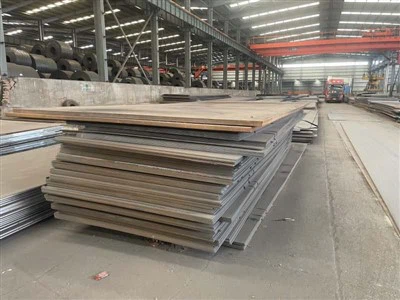
As a supplier of Corten Steel, I've had the privilege of being deeply involved in the industry, witnessing firsthand the various aspects of its production and the impact it has on the environment. Corten Steel, also known as weathering steel, is renowned for its unique ability to develop a protective rust - like patina over time, which not only enhances its aesthetic appeal but also provides excellent corrosion resistance. However, like any industrial production process, the manufacturing of Corten Steel has both positive and negative environmental implications.
Positive Environmental Impacts
One of the significant advantages of Corten Steel is its long - term durability. Unlike many other types of steel or construction materials, Corten Steel can withstand harsh environmental conditions without the need for extensive maintenance or additional protective coatings. This means that structures made from Corten Steel have a longer lifespan, reducing the frequency of replacement. For example, bridges, buildings, and sculptures constructed with Corten Steel can last for decades, minimizing the demand for new materials and the associated environmental costs of production and transportation.


Another positive aspect is its reusability. At the end of its service life, Corten Steel can be recycled. Recycling steel requires significantly less energy compared to producing new steel from raw materials. According to industry data, recycling steel can save up to 75% of the energy needed for primary steel production. This energy savings translates into a substantial reduction in greenhouse gas emissions. When Corten Steel is recycled, it can be remelted and used to create new products, contributing to a more circular economy.
Negative Environmental Impacts
However, the production of Corten Steel also has several negative environmental impacts. The primary raw materials for Corten Steel production are iron ore, coal, and limestone. The extraction of these resources has a significant environmental footprint. Iron ore mining often involves large - scale open - pit mining operations, which can lead to deforestation, soil erosion, and habitat destruction. The removal of large amounts of topsoil and vegetation disrupts ecosystems and can cause long - term damage to the local environment.
Coal is a major energy source in the steel - making process. The burning of coal releases large amounts of carbon dioxide (CO₂), sulfur dioxide (SO₂), and particulate matter into the atmosphere. CO₂ is a greenhouse gas that contributes to global warming, while SO₂ can cause acid rain, which has detrimental effects on forests, lakes, and buildings. Particulate matter can also have serious health impacts on humans, causing respiratory problems and other diseases.
The steel - making process itself is energy - intensive. High - temperature furnaces are used to melt the raw materials and convert them into steel. This energy consumption not only contributes to greenhouse gas emissions but also places a strain on global energy resources. Additionally, the production process generates a significant amount of waste, including slag and dust. Slag, a by - product of steelmaking, can contain heavy metals and other pollutants, which need to be properly managed to prevent environmental contamination.
Mitigating the Environmental Impacts
To address these environmental challenges, the steel industry, including Corten Steel production, is taking several steps. One of the key strategies is the adoption of more efficient production technologies. For example, the use of electric arc furnaces (EAFs) can significantly reduce energy consumption and greenhouse gas emissions compared to traditional blast furnaces. EAFs use electricity to melt scrap steel, which is a more energy - efficient process.
Another approach is the implementation of waste management and recycling programs. By recycling steel scrap and other by - products, the industry can reduce the demand for raw materials and minimize waste generation. Additionally, efforts are being made to develop more sustainable mining practices, such as reforestation and land rehabilitation after mining operations.
In terms of reducing emissions, many steel producers are investing in carbon capture and storage (CCS) technologies. CCS involves capturing CO₂ emissions from industrial processes and storing them underground, preventing them from entering the atmosphere. This technology has the potential to significantly reduce the carbon footprint of Corten Steel production.
Our Role as a Corten Steel Supplier
As a Corten Steel supplier, we are committed to promoting sustainable practices in the industry. We work closely with our partners to ensure that the Corten Steel we supply is produced in an environmentally responsible manner. We source our materials from suppliers who adhere to strict environmental standards and are actively involved in reducing their environmental impact.
We also offer a range of Corten Steel products, such as S355J2WP Corten Steel Plate, Q235NHB Corten Steel Manufacturer's Bulk Stock, and Corrosion Resistant Steel Plate. These products are not only of high quality but also contribute to sustainable construction and infrastructure development.
Conclusion
In conclusion, the production of Corten Steel has both positive and negative environmental impacts. While its durability and recyclability offer significant environmental benefits, the extraction of raw materials and the energy - intensive production process pose challenges. However, through the adoption of more efficient technologies, waste management, and emission reduction strategies, the industry is making progress in minimizing its environmental footprint.
If you are interested in purchasing Corten Steel for your projects, we invite you to contact us for further discussions. We are dedicated to providing you with high - quality Corten Steel products and solutions that meet your needs while also being environmentally friendly.
References
- World Steel Association. (2023). Steel and Sustainability.
- International Energy Agency. (2023). Energy Technology Perspectives.
- Environmental Protection Agency. (2023). Steel Industry Pollution Prevention and Control.