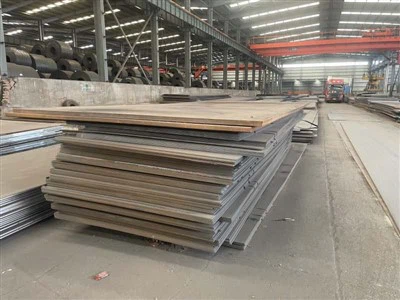
When it comes to the installation of welded steel pipes, there are several key requirements that must be met to ensure a successful and long - lasting installation. As a seasoned welded steel pipe supplier, I've witnessed firsthand the importance of adhering to these requirements. In this blog, I'll delve into the various installation requirements for welded steel pipes, covering aspects from preparation to the final installation steps.
1. Site Preparation
Before the actual installation of welded steel pipes begins, proper site preparation is crucial. The installation area should be cleared of any debris, rocks, or other obstacles that could interfere with the laying of the pipes. The ground needs to be leveled to provide a stable foundation for the pipes. Uneven ground can cause stress on the pipes, leading to potential leaks or structural failures over time.
In addition, it's important to mark the route where the pipes will be installed. This helps in ensuring that the pipes are laid in a straight line and at the correct depth. The depth of the pipe installation depends on various factors such as the type of soil, the expected traffic load above the pipes, and local building codes. For example, in areas with heavy vehicle traffic, the pipes may need to be buried deeper to prevent damage.
2. Pipe Inspection
As a welded steel pipe supplier, I always emphasize the importance of inspecting the pipes before installation. Each pipe should be carefully examined for any visible defects such as cracks, dents, or corrosion. Cracks can weaken the pipe structure and lead to leaks, while dents can restrict the flow of fluids or gases through the pipe. Corrosion, if present, can also compromise the integrity of the pipe over time.
It's also essential to check the dimensions of the pipes. The diameter, wall thickness, and length of the pipes should match the specifications required for the project. Any deviation from the specified dimensions can cause problems during installation, such as improper fitting or reduced flow capacity.
3. Welding Requirements
Welding is a critical process in the installation of welded steel pipes. The welders performing the work should be certified and experienced in welding steel pipes. They should follow the appropriate welding procedures and standards to ensure strong and reliable welds.
The welding process itself requires careful preparation. The ends of the pipes to be welded should be cleaned thoroughly to remove any dirt, rust, or oil. This helps in achieving a good bond between the pipes. The welding parameters, such as the welding current, voltage, and welding speed, should be set correctly according to the type and thickness of the pipes.
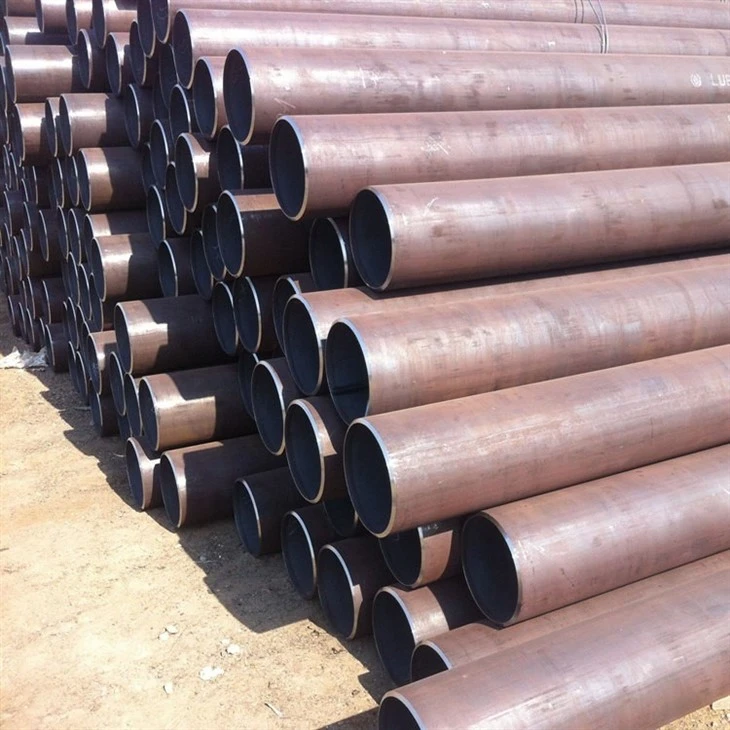
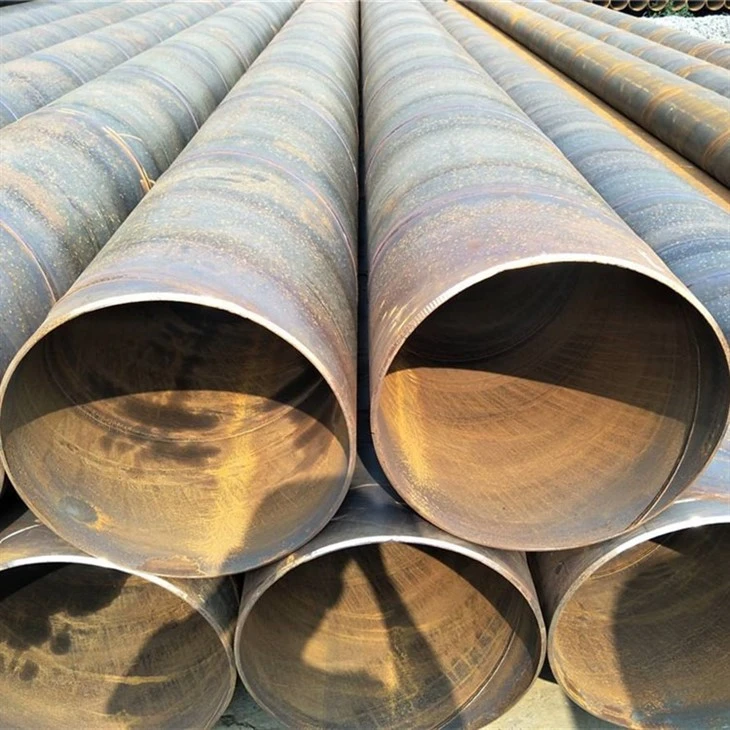
There are different types of welded steel pipes available, such as High Frequency Steel Pipe, Straight Seam Pipe, and Submerged Steel Pipe. Each type may have specific welding requirements. For example, high - frequency welded steel pipes may require a different welding technique compared to straight - seam pipes.
After welding, the welds should be inspected for quality. Non - destructive testing methods, such as ultrasonic testing or radiographic testing, can be used to detect any internal defects in the welds. Any defective welds should be repaired immediately to ensure the integrity of the pipeline.
4. Support and Bracing
Proper support and bracing are necessary to prevent the pipes from sagging or shifting during and after installation. The pipes should be supported at regular intervals along their length. The type of support used depends on the diameter and weight of the pipes, as well as the installation environment.
For above - ground installations, steel brackets or hangers can be used to support the pipes. These brackets should be securely attached to the building structure or other supporting elements. In underground installations, the pipes can be supported by concrete pads or bedding materials. The bedding material should be carefully selected to provide a stable and uniform support for the pipes.
Bracing is also important to prevent the pipes from moving due to external forces such as wind, vibration, or seismic activity. Diagonal braces can be installed at strategic points along the pipeline to enhance its stability.
5. Pressure Testing
Once the pipes are installed and welded, pressure testing is a crucial step to ensure the integrity of the pipeline. The pipeline should be filled with a test medium, usually water or air, and pressurized to a specified level. The pressure should be maintained for a certain period of time to check for any leaks.
The test pressure and duration are determined by the design requirements of the pipeline and relevant industry standards. For example, in a water supply pipeline, the test pressure may be 1.5 times the normal operating pressure, and the test duration may be several hours.
During the pressure test, any leaks or defects in the pipes or welds should be identified and repaired immediately. After the pressure test is successful, the pipeline can be drained and prepared for service.
6. Corrosion Protection
Corrosion is a major concern for welded steel pipes, especially when they are exposed to harsh environments such as moisture, chemicals, or soil with high acidity. To protect the pipes from corrosion, appropriate corrosion protection measures should be taken.
One common method is to apply a protective coating to the pipes. There are different types of coatings available, such as epoxy coatings, polyethylene coatings, or zinc coatings. The coating should be applied evenly and according to the manufacturer's instructions.
In addition, cathodic protection can also be used in some cases. Cathodic protection involves connecting the pipes to a sacrificial anode or an impressed current system. The sacrificial anode corrodes preferentially, protecting the steel pipes from corrosion.
7. Documentation
Throughout the installation process, proper documentation is essential. This includes records of pipe inspections, welding procedures, pressure tests, and any repairs or modifications made to the pipeline. The documentation serves as a reference for future maintenance and can also be required for regulatory compliance.
As a welded steel pipe supplier, I understand that the installation requirements for welded steel pipes are complex and require careful attention to detail. By following these requirements, you can ensure a successful installation that will provide reliable service for many years.
If you are in the market for high - quality welded steel pipes and need professional advice on installation, please feel free to contact us. Our team of experts is ready to assist you with your project and ensure that you get the best products and services.
References
- American Society of Mechanical Engineers (ASME) standards for piping systems.
- American Petroleum Institute (API) standards for oil and gas pipelines.
- International Organization for Standardization (ISO) standards for welded steel pipes.