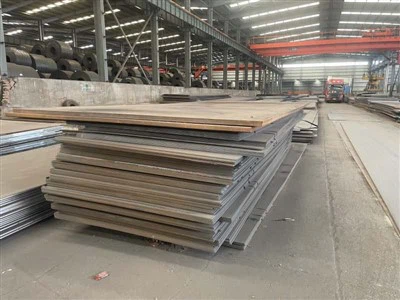
As a supplier of zinc-plated steel, I've had the privilege of witnessing its widespread use across various industries. Zinc-plated steel, known for its corrosion resistance and affordability, has become a staple in construction, automotive manufacturing, and countless other sectors. However, like any material, it comes with its limitations. Understanding these limitations is crucial for making informed decisions about its application.
1. Limited Corrosion Resistance in Harsh Environments
One of the primary reasons for using zinc-plated steel is its ability to resist corrosion. The zinc coating acts as a sacrificial anode, corroding in place of the underlying steel. However, this protection has its limits. In highly corrosive environments, such as those with high humidity, saltwater exposure, or acidic conditions, the zinc coating can wear away relatively quickly.
For instance, in coastal areas where the air is laden with salt particles, the zinc layer on the steel can be rapidly consumed. Once the zinc coating is compromised, the underlying steel becomes vulnerable to rust and corrosion. This can lead to structural weakening and a significant reduction in the lifespan of the steel components. According to a study by the American Galvanizers Association, in marine environments, the corrosion rate of zinc-plated steel can be several times higher than in normal atmospheric conditions.
2. Surface Finish and Aesthetic Limitations
Zinc-plated steel typically has a dull, grayish appearance that may not be suitable for applications where aesthetics are important. The plating process can result in a somewhat rough or uneven surface finish, which may not meet the visual requirements of certain projects. For example, in architectural applications where a smooth, shiny surface is desired, zinc-plated steel may not be the best choice.
Moreover, over time, the zinc coating can develop a white, powdery substance known as zinc patina. While this patina is a natural part of the corrosion process and can actually provide some additional protection, it can also be unsightly. In applications where the appearance of the steel is a key factor, such as in interior design or consumer products, the presence of zinc patina may be unacceptable.
3. Temperature Limitations
Zinc-plated steel has limitations when it comes to high-temperature applications. At elevated temperatures, the zinc coating can start to degrade and lose its protective properties. The melting point of zinc is relatively low compared to steel, at around 419.5°C (787.1°F). When exposed to temperatures close to or above this point, the zinc coating can melt or vaporize, leaving the underlying steel unprotected.
In industrial settings where steel components are exposed to high temperatures, such as in furnaces or exhaust systems, zinc-plated steel may not be suitable. Even at temperatures below the melting point of zinc, prolonged exposure to heat can cause the zinc coating to become brittle and crack. This can lead to a loss of adhesion between the zinc and the steel, further compromising the corrosion resistance of the material.
4. Mechanical Properties and Wear Resistance
While zinc-plated steel provides good corrosion protection, it may not offer the same level of mechanical strength and wear resistance as some other materials. The zinc coating is relatively thin, typically ranging from a few micrometers to a few tens of micrometers in thickness. This thin layer can be easily scratched or damaged during handling, installation, or use.
Once the zinc coating is damaged, the exposed steel is at risk of corrosion. In applications where the steel is subject to high levels of abrasion or impact, such as in machinery or transportation, zinc-plated steel may not be able to withstand the mechanical stresses. For example, in conveyor systems where steel components are constantly rubbing against each other, the zinc coating can wear away quickly, reducing the effectiveness of the corrosion protection.
5. Environmental and Health Concerns
The production of zinc-plated steel involves the use of chemicals and processes that can have environmental and health implications. The plating process typically requires the use of zinc salts and other chemicals, which can generate waste and emissions. Improper disposal of these chemicals can lead to soil and water contamination.
In addition, during the plating process, workers may be exposed to harmful fumes and chemicals. Zinc dust and fumes can be toxic if inhaled in large quantities, and long-term exposure can cause health problems such as metal fume fever. As a responsible supplier, we take measures to minimize the environmental impact of our production processes and ensure the safety of our workers. However, these concerns are still factors to consider when using zinc-plated steel.


6. Limitations in Welding and Joining
Welding zinc-plated steel can be challenging due to the presence of the zinc coating. When the zinc coating is heated during the welding process, it can vaporize and create a gas that can cause porosity and other defects in the weld. This can result in weak welds that are more prone to failure.
In addition, the zinc coating can also affect the quality of the weld joint. The presence of zinc can cause the weld to have a different chemical composition than the base steel, which can lead to differences in mechanical properties. Special welding techniques and procedures may be required to overcome these challenges, which can increase the cost and complexity of the manufacturing process.
7. Cost Considerations in High-Volume Applications
While zinc-plated steel is generally more affordable than some other corrosion-resistant materials, such as stainless steel, the cost can still be a factor in high-volume applications. The plating process adds to the overall cost of the steel, and in large-scale projects, these costs can quickly add up.
Moreover, as mentioned earlier, the limited lifespan of zinc-plated steel in harsh environments may require more frequent replacement and maintenance. This can further increase the long-term cost of using zinc-plated steel. In some cases, it may be more cost-effective to invest in a more durable and corrosion-resistant material, even if the initial cost is higher.
Conclusion
Despite its limitations, zinc-plated steel remains a popular choice for many applications due to its cost-effectiveness and corrosion resistance. However, it's important to be aware of these limitations and to carefully consider whether zinc-plated steel is the right material for your specific project. If you're looking for high-quality zinc-plated steel products, we offer a wide range of options, including Galvanized Steel Plate and DC51D+Z-610 Galvanized Coil. We also provide Storage Container For Plates to ensure proper storage and protection of your steel products.
If you have any questions or would like to discuss your zinc-plated steel requirements, please don't hesitate to contact us. We're here to help you make the best choice for your project.
References
- American Galvanizers Association. (Year). Corrosion Rates of Galvanized Steel in Different Environments.
- Smith, J. (2018). The Effects of Temperature on Zinc-Plated Steel. Journal of Materials Science.
- Johnson, A. (2019). Surface Finish and Aesthetic Considerations for Zinc-Plated Steel. International Journal of Architectural Materials.