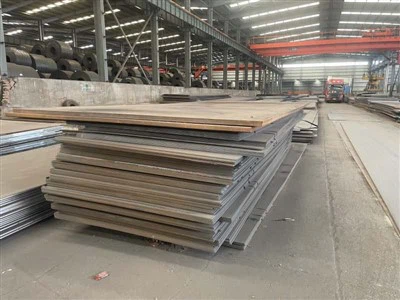
As a supplier of U - Rib Steel Plate, I often encounter questions from customers regarding the corrosion resistance of this product. In this blog, I'll delve deep into what the corrosion resistance of U - Rib Steel Plate is, why it matters, and how we ensure high - quality corrosion - resistant U - Rib Steel Plates.
Understanding Corrosion and Its Impact on U - Rib Steel Plates
Corrosion is a natural process that occurs when metals react with their environment. For U - Rib Steel Plates, which are commonly used in bridge construction [1], corrosion can lead to significant problems. In a bridge structure, U - Rib Steel Plates play a crucial role in providing structural support. When corrosion takes place, it can reduce the thickness of the steel plate, weaken its mechanical properties, and ultimately compromise the safety and durability of the entire bridge.
The corrosion of U - Rib Steel Plates is mainly caused by factors such as moisture, oxygen, and pollutants in the air. In coastal areas, for example, the high salt content in the air accelerates the corrosion process. Additionally, industrial pollution can also release harmful substances such as sulfur dioxide, which can react with water in the air to form acidic solutions that corrode the steel [2].
Factors Affecting the Corrosion Resistance of U - Rib Steel Plates
Material Composition
The composition of the steel used in U - Rib Steel Plates is a key factor in determining its corrosion resistance. Steels with higher amounts of elements like chromium, nickel, and copper tend to have better corrosion resistance. Chromium forms a thin, protective oxide layer on the surface of the steel, which acts as a barrier against further corrosion. Nickel enhances the stability of this oxide layer and also improves the steel's resistance to various types of corrosion, including pitting and crevice corrosion. Copper can also contribute to the formation of a protective patina on the steel surface, which reduces the rate of corrosion [3].
Surface Treatment
Surface treatment is another important aspect. There are several common surface treatment methods for U - Rib Steel Plates. One of the most widely used methods is galvanizing. Galvanizing involves coating the steel plate with a layer of zinc. Zinc is more reactive than steel, so when the zinc - coated steel is exposed to the environment, the zinc corrodes first, sacrificing itself to protect the underlying steel. Another method is painting. High - quality anti - corrosion paints can form a physical barrier between the steel and the environment, preventing moisture and oxygen from reaching the steel surface.
Environmental Conditions
The environment where the U - Rib Steel Plate is used has a significant impact on its corrosion resistance. As mentioned earlier, coastal and industrial areas pose greater corrosion risks. High humidity levels increase the likelihood of corrosion because water is necessary for the electrochemical reactions involved in corrosion. Temperature also plays a role. Higher temperatures can accelerate the corrosion rate, as they increase the rate of chemical reactions. In addition, the presence of pollutants such as acids, alkalis, and salts in the environment can further exacerbate corrosion [4].


Our Approach to Ensuring High - Quality Corrosion - Resistant U - Rib Steel Plates
Strict Material Selection
At our company, we are very strict when it comes to material selection. We source high - quality steel from reliable suppliers. Our steels are carefully analyzed to ensure that they contain the right amounts of corrosion - resistant elements. We work closely with our steel suppliers to continuously improve the material composition, aiming to provide U - Rib Steel Plates with the best possible corrosion resistance.
Advanced Surface Treatment Technologies
We invest in advanced surface treatment technologies. Our galvanizing process is carried out under strict quality control. We ensure that the zinc coating has a uniform thickness and good adhesion to the steel surface. In terms of painting, we use advanced anti - corrosion paints that are tested and proven to provide long - term protection. Our painting process includes surface preparation steps such as cleaning and sandblasting to ensure that the paint adheres well to the steel.
Quality Control and Testing
We have a comprehensive quality control system in place. Every U - Rib Steel Plate undergoes a series of tests before leaving our factory. We use non - destructive testing methods such as ultrasonic testing to detect any internal defects in the steel. For surface treatment, we conduct adhesion tests for paints and thickness measurements for zinc coatings. We also perform corrosion tests in simulated environments to evaluate the long - term corrosion resistance of our products.
Importance of Corrosion Resistance in U - Rib Steel Plate Applications
Bridge Construction
In bridge construction, the corrosion resistance of U - Rib Steel Plates is of utmost importance. Bridges are long - term infrastructure projects that need to withstand the test of time. Corrosion - resistant U - Rib Steel Plates can reduce the need for frequent maintenance and repair, which not only saves costs but also ensures the safety of the bridge. A bridge with well - protected U - Rib Steel Plates can have a longer service life, providing reliable transportation for decades [5].
Other Applications
U - Rib Steel Plates are also used in other applications such as shipbuilding and industrial structures. In shipbuilding, the steel plates are constantly exposed to seawater, which is highly corrosive. Good corrosion resistance is essential to ensure the structural integrity of the ship. In industrial structures, U - Rib Steel Plates may be exposed to various chemicals and pollutants, so corrosion - resistant plates are necessary to prevent premature failure.
Conclusion
The corrosion resistance of U - Rib Steel Plates is a complex but crucial property. It is determined by factors such as material composition, surface treatment, and environmental conditions. As a supplier of U - Rib Steel Plates, we are committed to providing high - quality products with excellent corrosion resistance. We achieve this through strict material selection, advanced surface treatment technologies, and comprehensive quality control.
If you are looking for high - quality U - Rib Steel Plates with outstanding corrosion resistance, we are here to serve you. We offer a wide range of U - Rib Steel Plates suitable for various applications, including bridge construction. To learn more about our Bridge U - Shaped Reinforcing Rib, please feel free to contact us for procurement and further discussions.
References
[1] A. J. Kennedy, "Bridge Engineering: Concepts, Theory and Design", Taylor & Francis, 2018.
[2] P. R. Roberge, "Corrosion Engineering: Principles and Practice", McGraw - Hill Education, 2019.
[3] G. S. Frankel, "Introduction to Corrosion Science", Springer, 2019.
[4] M. G. Fontana, "Corrosion Engineering", McGraw - Hill Education, 2016.
[5] C. A. Brebbia and J. A. Rashed, "Bridge Maintenance, Safety, Management, Life - Cycle Performance and Cost", WIT Press, 2014.