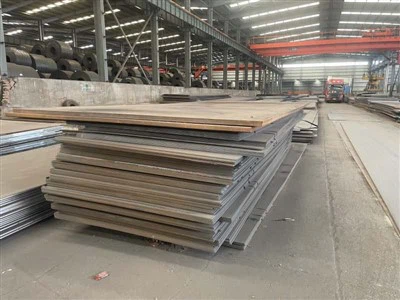
Hey there! As a supplier of angle steel plates, I'm super stoked to walk you through the manufacturing processes of these versatile steel products. Angle steel plates are used in a wide range of industries, from construction to machinery, so understanding how they're made can give you a better idea of their quality and performance.
Raw Material Selection
The first step in making angle steel plates is choosing the right raw materials. We typically use high - quality steel billets or slabs. The chemical composition of the steel is crucial as it determines the final properties of the angle steel plate. For example, if we're making Q335B Angle Steel Plate, it contains certain levels of carbon, manganese, silicon, and other elements to ensure good strength and ductility. Similarly, Q235B Angle Steel Plate has its own specific chemical makeup that suits different applications.
We source our raw materials from reliable steel mills. These mills have strict quality control measures in place to make sure the steel meets the required standards. Before we accept the raw materials, we conduct our own inspections. We check things like the surface quality, dimensions, and chemical composition to ensure they're up to par.
Heating the Raw Material
Once we have the right raw materials, the next step is to heat them up. We use a reheating furnace for this. The steel billets or slabs are loaded into the furnace and heated to a specific temperature, usually around 1200 - 1300 degrees Celsius. This high temperature makes the steel soft and malleable, which is essential for the subsequent forming processes.
The heating process needs to be carefully controlled. If the steel is heated too quickly, it can develop internal stresses, which might lead to cracking during the forming process. On the other hand, if it's not heated to the right temperature, it won't be soft enough to be shaped properly. We use advanced temperature sensors and control systems to make sure the heating is uniform and at the correct temperature.
Rolling Process
After the steel is heated to the right temperature, it's time for the rolling process. This is where the steel is shaped into angle steel plates. We use a series of rolling mills. The first few passes in the rolling mill are called rough rolling. During rough rolling, the steel is gradually reduced in thickness and elongated. This helps to break down the grain structure of the steel and improve its mechanical properties.
Then comes the finish rolling. In finish rolling, the steel is shaped into the final angle shape. The rolling mills are designed with specific grooves that give the steel the characteristic L - shape of angle steel plates. The finish rolling also helps to achieve the required dimensions and surface finish. We constantly monitor the dimensions of the angle steel plates during the rolling process using measuring devices like laser gauges. This ensures that the plates meet the customer's specifications.
Cooling
Once the angle steel plates are rolled into the desired shape, they need to be cooled. There are different cooling methods, and the choice depends on the type of steel and the final properties we want to achieve. One common method is air cooling. In air cooling, the angle steel plates are simply left to cool in the air. This is a relatively slow cooling process, which allows the steel to develop good toughness.
For some applications, we might use accelerated cooling. This involves spraying water on the angle steel plates to cool them down more quickly. Accelerated cooling can improve the strength of the steel, but it needs to be carefully controlled to avoid cracking. We use advanced cooling control systems to ensure that the cooling rate is consistent across the entire length and width of the angle steel plates.
Straightening and Cutting
After cooling, the angle steel plates might have some slight bends or warps. So, the next step is straightening. We use straightening machines to correct any irregularities in the shape of the plates. The straightening process ensures that the angle steel plates are flat and have the correct angle.
Once the plates are straightened, they are cut to the required length. We use cutting machines, such as saws or shears, to make the cuts. The cutting process needs to be precise to ensure that the length of the angle steel plates meets the customer's requirements. We also make sure that the cut edges are smooth and free of burrs.
Surface Treatment
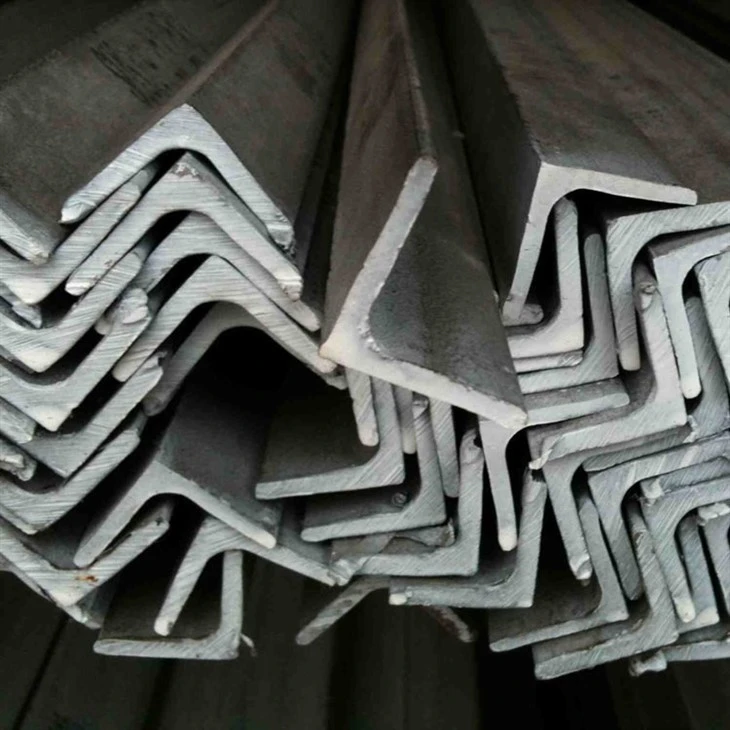
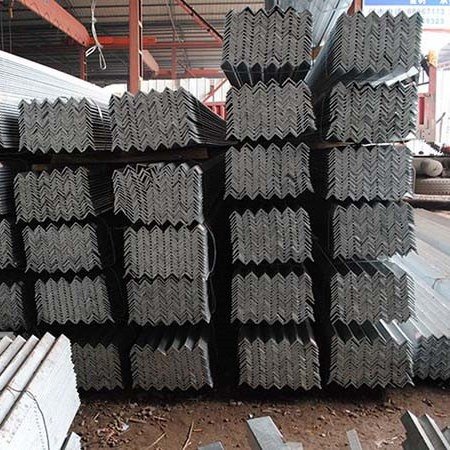
Surface treatment is an important step in the manufacturing of angle steel plates. It helps to protect the steel from corrosion and improve its appearance. One common surface treatment method is galvanizing. In galvanizing, a layer of zinc is applied to the surface of the angle steel plates. The zinc acts as a sacrificial anode, which means it corrodes first, protecting the underlying steel.
Another surface treatment option is painting. We can apply different types of paints to the angle steel plates depending on the application. For example, if the plates are going to be used in a marine environment, we might use a special anti - corrosion paint. Surface treatment not only enhances the durability of the angle steel plates but also makes them more aesthetically pleasing.
Quality Inspection
Before the angle steel plates are shipped to the customers, we conduct a thorough quality inspection. We check the dimensions, surface quality, mechanical properties, and chemical composition of the plates. We use a variety of testing methods, such as ultrasonic testing, magnetic particle testing, and tensile testing.
Ultrasonic testing is used to detect any internal defects in the steel, such as cracks or inclusions. Magnetic particle testing is used to find surface and near - surface defects. Tensile testing is used to determine the strength and ductility of the angle steel plates. Only after the plates pass all the quality inspections are they approved for shipment.
Why Choose Our Angle Steel Plates?
We take pride in our manufacturing processes and the quality of our angle steel plates. Our plates are made using the latest technology and strict quality control measures. Whether you need Q335B Angle Steel Plate for a high - strength application or Q235B Angle Steel Plate for a more general - purpose use, we've got you covered.
If you're in the market for angle steel plates, I encourage you to reach out to us. We can provide you with detailed product information, samples, and competitive pricing. We're here to help you find the right angle steel plates for your project. So, don't hesitate to contact us for procurement and let's start a great business relationship!
References
- "Steel Manufacturing Processes" by The Iron and Steel Institute of Japan
- "Handbook of Steel Production" edited by George E. Totten