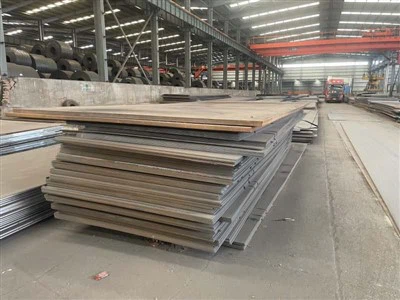
Zinc-plated steel, a widely used material in various industries, has distinct mechanical properties that make it a popular choice. As a supplier of zinc-plated steel, I have witnessed firsthand the importance of understanding these properties for both manufacturers and end-users. In this blog, we will delve into the mechanical properties of zinc-plated steel and explore why it is such a valuable material.
Tensile Strength
Tensile strength is one of the most crucial mechanical properties of any material, and zinc-plated steel is no exception. Tensile strength refers to the maximum amount of stress a material can withstand before it breaks under tension. Zinc-plated steel typically has a high tensile strength, which makes it suitable for applications where strength and durability are required.
The tensile strength of zinc-plated steel can vary depending on several factors, including the thickness of the steel, the type of zinc coating, and the manufacturing process. Generally, the tensile strength of zinc-plated steel ranges from 270 MPa to 550 MPa. For example, a thin-gauge zinc-plated steel sheet may have a lower tensile strength compared to a thick-gauge sheet.
The high tensile strength of zinc-plated steel makes it ideal for applications such as construction, automotive manufacturing, and machinery. In construction, zinc-plated steel is used for structural components, such as beams and columns, where it can withstand heavy loads. In the automotive industry, it is used for body panels and frames, providing both strength and corrosion resistance.
Yield Strength
Yield strength is another important mechanical property of zinc-plated steel. Yield strength is the stress at which a material begins to deform plastically, meaning it will not return to its original shape after the stress is removed. Zinc-plated steel has a relatively high yield strength, which allows it to withstand significant stress without permanent deformation.
The yield strength of zinc-plated steel is typically lower than its tensile strength. It usually ranges from 180 MPa to 400 MPa. The yield strength is an important consideration in applications where the material needs to withstand repeated loading and unloading cycles without failure. For example, in the manufacturing of springs or fasteners, the yield strength of zinc-plated steel ensures that the components can maintain their shape and functionality over time.
Elongation
Elongation is a measure of the ability of a material to stretch or deform before it breaks. It is expressed as a percentage of the original length of the material. Zinc-plated steel has good elongation properties, which means it can be easily formed into different shapes without cracking or breaking.
The elongation of zinc-plated steel can vary depending on the type of steel and the zinc coating. Generally, it ranges from 20% to 40%. This high elongation makes zinc-plated steel suitable for applications such as deep drawing, where the material needs to be stretched and formed into complex shapes. For example, in the manufacturing of automotive parts or household appliances, zinc-plated steel can be easily shaped into various components without compromising its integrity.
Hardness
Hardness is a measure of a material's resistance to indentation or scratching. Zinc-plated steel has a relatively high hardness, which makes it resistant to wear and abrasion. The hardness of zinc-plated steel can be increased by heat treatment or by using a thicker zinc coating.
The hardness of zinc-plated steel is typically measured using the Rockwell or Brinell hardness scales. The hardness can vary depending on the type of steel and the zinc coating. Generally, the hardness of zinc-plated steel ranges from 80 to 120 HRB (Rockwell Hardness B). This high hardness makes zinc-plated steel suitable for applications where resistance to wear and abrasion is required, such as in the manufacturing of tools or machinery parts.
Impact Resistance
Impact resistance is the ability of a material to absorb energy when it is subjected to a sudden impact. Zinc-plated steel has good impact resistance, which makes it suitable for applications where the material may be exposed to sudden shocks or impacts.
The impact resistance of zinc-plated steel can be improved by using a thicker zinc coating or by adding alloying elements to the steel. For example, in the manufacturing of automotive parts or construction materials, zinc-plated steel can withstand the impact of collisions or heavy loads without cracking or breaking.
Corrosion Resistance
One of the most significant advantages of zinc-plated steel is its excellent corrosion resistance. The zinc coating acts as a sacrificial anode, protecting the underlying steel from corrosion. When the zinc coating is exposed to the environment, it corrodes preferentially, preventing the steel from rusting.
The corrosion resistance of zinc-plated steel can be further enhanced by using a thicker zinc coating or by applying additional protective coatings. For example, Prepainted Steel Coil is a type of zinc-plated steel that has a painted surface, providing an additional layer of protection against corrosion.


Applications of Zinc-Plated Steel
The unique mechanical properties of zinc-plated steel make it suitable for a wide range of applications. Some of the common applications of zinc-plated steel include:
- Construction: Zinc-plated steel is used for structural components, roofing, and siding in buildings. Its high strength and corrosion resistance make it an ideal choice for construction projects.
- Automotive: Zinc-plated steel is used for body panels, frames, and other components in the automotive industry. Its high tensile strength and impact resistance ensure the safety and durability of vehicles.
- Manufacturing: Zinc-plated steel is used in the manufacturing of various products, such as appliances, furniture, and machinery. Its good formability and corrosion resistance make it a popular choice for manufacturers.
- Electrical: Zinc-plated steel is used in the electrical industry for wiring, conduits, and other electrical components. Its conductivity and corrosion resistance make it suitable for electrical applications.
Conclusion
In conclusion, zinc-plated steel has a range of mechanical properties that make it a valuable material in various industries. Its high tensile strength, yield strength, elongation, hardness, impact resistance, and corrosion resistance make it suitable for a wide range of applications. As a supplier of zinc-plated steel, we are committed to providing high-quality products that meet the needs of our customers.
If you are interested in purchasing zinc-plated steel or have any questions about its mechanical properties, please feel free to contact us for a detailed discussion. We look forward to working with you to meet your specific requirements.
References
- ASM Handbook, Volume 1: Properties and Selection: Irons, Steels, and High-Performance Alloys. ASM International.
- ASTM Standards for Zinc-Coated (Galvanized) Steel Sheet. ASTM International.
- Metals Handbook Desk Edition, 2nd Edition. ASM International.