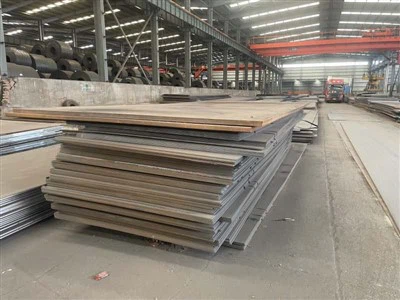
Rebar steel, also known as reinforcing steel bar, plays a pivotal role in the construction industry. It provides essential strength and stability to concrete structures, ensuring their longevity and safety. However, one of the most significant challenges faced in the use of rebar steel is corrosion. Corrosion not only weakens the structural integrity of the rebar but also compromises the overall performance of the concrete structure. As a rebar steel supplier, I understand the importance of preventing rebar corrosion and am committed to providing high - quality products along with effective preventive solutions. In this blog, I will discuss various preventive measures against rebar steel corrosion.


Understanding Rebar Steel Corrosion
Before delving into the preventive measures, it is crucial to understand the process of rebar corrosion. Rebar corrosion is an electrochemical process that occurs when the protective passive film on the surface of the rebar is damaged. This film is usually formed in the highly alkaline environment of concrete, which helps to protect the steel from oxidation. However, factors such as the presence of chloride ions (from de - icing salts or seawater), carbonation of concrete, and low - quality concrete cover can break down this passive film. Once the film is damaged, the iron in the rebar reacts with oxygen and water, forming iron oxides (rust). The expansion of rust can cause cracking and spalling of the concrete, leading to further deterioration of the structure.
1. Use of High - Quality Rebar Steel
The quality of the rebar steel itself is the first line of defense against corrosion. High - quality rebar steels are produced with strict manufacturing standards and are less prone to corrosion. For example, HRB 500E and HRB 400E are types of rebar steels that are known for their high strength and good corrosion resistance. These steels are manufactured with specific chemical compositions and undergo proper heat - treatment processes, which enhance their ability to resist the initiation of corrosion. As a supplier, I ensure that all the rebar steels I provide meet or exceed industry standards, and I source them from reliable manufacturers who adhere to strict quality control measures.
2. Adequate Concrete Cover
The concrete cover is the layer of concrete between the surface of the rebar and the outer surface of the concrete structure. An adequate concrete cover is essential for protecting the rebar from environmental factors that can cause corrosion. A thicker concrete cover provides a greater barrier against the penetration of chloride ions and carbon dioxide. According to design codes, the minimum concrete cover for rebar in different exposure conditions should be carefully determined. For example, in a marine environment where the risk of chloride attack is high, a larger concrete cover is required compared to a normal indoor environment. During construction, it is important to ensure that the rebar is properly placed at the correct depth within the concrete to achieve the desired concrete cover.
3. Quality of Concrete
The quality of the concrete used in conjunction with the rebar also has a significant impact on corrosion prevention. High - quality concrete with a low water - cement ratio is more dense and less permeable, which reduces the ingress of harmful substances such as chloride ions and carbon dioxide. The use of supplementary cementitious materials, such as fly ash, slag, and silica fume, can also improve the durability of concrete. These materials react with calcium hydroxide in the concrete to form additional calcium silicate hydrate, which fills the pores in the concrete and enhances its impermeability. As a rebar supplier, I often collaborate with concrete producers to recommend the appropriate concrete mix designs for different projects, taking into account the exposure conditions and the type of rebar used.
4. Corrosion - Resistant Coatings
Applying corrosion - resistant coatings to the rebar surface is an effective way to prevent corrosion. There are several types of coatings available, including epoxy coatings, zinc - based coatings, and polymer - based coatings.
Epoxy coatings create a physical barrier between the rebar and the surrounding environment. They are highly resistant to chloride ion penetration and can significantly extend the service life of the rebar. However, the application of epoxy coatings requires careful handling to ensure proper adhesion and to avoid damage during transportation and installation.
Zinc - based coatings, such as galvanized coatings, work through a process called sacrificial protection. Zinc is more reactive than iron, so when the coating is exposed to an electrolyte, the zinc corrodes preferentially, protecting the underlying rebar. Galvanized rebar is widely used in applications where the risk of corrosion is moderate to high.
Polymer - based coatings offer good flexibility and adhesion, and they can also provide protection against corrosion. They are often used in combination with other preventive measures to enhance the overall corrosion resistance of the rebar.
5. Cathodic Protection
Cathodic protection is an electrochemical method used to prevent corrosion of rebar in concrete structures. There are two main types of cathodic protection: sacrificial anode cathodic protection and impressed current cathodic protection.
In sacrificial anode cathodic protection, a more active metal (such as zinc or magnesium) is connected to the rebar. The sacrificial anode corrodes instead of the rebar, providing protection. This method is relatively simple and cost - effective for small - scale structures or in areas with low corrosion rates.
Impressed current cathodic protection involves applying an external direct current to the rebar through an anode system. The current flow counteracts the natural corrosion potential of the rebar, preventing corrosion. This method is more suitable for large - scale structures or in areas with high corrosion rates.
6. Proper Storage and Handling
Proper storage and handling of rebar are also important to prevent corrosion before it is installed in the structure. During storage, rebar should be stored in a dry and well - ventilated area, away from sources of moisture and chemicals. It should be elevated off the ground to prevent contact with damp soil. If the rebar is stored for an extended period, it may be necessary to apply a temporary protective coating to prevent surface rusting.
During transportation and installation, care should be taken to avoid damage to the rebar and its protective coatings (if any). Any scratches or damage to the rebar surface can provide sites for corrosion initiation. Workers should be trained on proper handling techniques to minimize the risk of damage.
7. Regular Inspection and Maintenance
Even with all the preventive measures in place, regular inspection and maintenance of the concrete structures are necessary to detect and address any signs of corrosion at an early stage. Visual inspections can be carried out to look for signs of cracking, spalling, or rust staining on the concrete surface. Non - destructive testing methods, such as half - cell potential measurements and ultrasonic testing, can also be used to assess the corrosion status of the rebar. If corrosion is detected, appropriate repair and rehabilitation measures should be taken promptly to prevent further deterioration of the structure.
Conclusion
Rebar steel corrosion is a serious issue that can have significant consequences for the safety and durability of concrete structures. As a rebar steel supplier, I am dedicated to providing high - quality rebar steels and promoting the use of effective preventive measures against corrosion. By using high - quality rebar, ensuring adequate concrete cover, using good - quality concrete, applying corrosion - resistant coatings, implementing cathodic protection, and following proper storage, handling, inspection, and maintenance procedures, the risk of rebar corrosion can be significantly reduced.
If you are in the market for high - quality rebar steel and need advice on corrosion prevention, I invite you to contact me for procurement and further discussions. I am committed to working with you to ensure the success of your construction projects.
References
- ACI 222R - 14, “Corrosion of Metals in Concrete: Prevention, Diagnosis, Repair,” American Concrete Institute.
- NACE International, “Standards for Corrosion Control in Concrete Structures.”
- Neville, A. M. “Properties of Concrete,” Pearson Education.