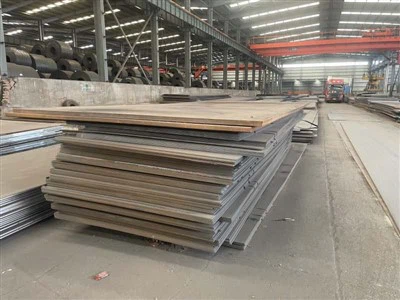
As a supplier of U - Rib Steel Plate, I understand the critical importance of safety regulations when it comes to handling this specialized material. U - Rib Steel Plates are widely used in various construction projects, especially in bridge building, due to their excellent structural properties. In this blog, I will delve into the safety regulations that should be strictly followed during the handling of U - Rib Steel Plates.
1. Pre - handling Preparations
Before any handling operations, a comprehensive risk assessment must be carried out. This involves identifying potential hazards such as sharp edges on the steel plates, heavy weight which can cause back injuries during lifting, and the risk of the plates slipping or falling.
- Inspection of Equipment: All handling equipment, including cranes, forklifts, and slings, should be thoroughly inspected. For example, check the crane's lifting capacity to ensure it can safely lift the U - Rib Steel Plate. The slings should be free from any signs of wear, tear, or damage. Any faulty equipment should be immediately taken out of service and repaired or replaced.
- Training of Personnel: Workers involved in handling U - Rib Steel Plates must receive proper training. They should be familiar with the equipment's operation, safety procedures, and emergency response plans. Training should cover topics such as how to properly attach slings to the steel plates, how to operate the lifting equipment safely, and what to do in case of an accident.
2. Lifting and Moving
Lifting and moving U - Rib Steel Plates are high - risk operations that require strict adherence to safety regulations.
- Proper Lifting Techniques: When using a crane or forklift to lift the U - Rib Steel Plate, the lifting points should be carefully selected. The center of gravity of the plate must be accurately determined to prevent it from tilting or swinging during lifting. For instance, if the plate is not lifted from its proper center of gravity, it may cause the lifting equipment to become unstable, leading to a potential accident.
- Clearance and Path Planning: Before moving the steel plate, ensure that there is sufficient clearance in the path. Remove any obstacles that may interfere with the movement of the plate. Mark the path clearly to avoid collisions with other objects or workers. This is especially important in a busy construction site where there may be multiple activities taking place simultaneously.
- Communication: Effective communication is crucial during the lifting and moving process. The operator of the lifting equipment should be in constant communication with the ground personnel. They should use standardized hand signals or communication devices to ensure that everyone is aware of the movements and intentions. For example, if the ground personnel notice any potential danger, they can immediately signal the operator to stop the operation.
3. Storage
Proper storage of U - Rib Steel Plates is essential to maintain their quality and ensure safety.
- Stable Storage Platform: The steel plates should be stored on a stable and level platform. This can prevent the plates from toppling over. The platform should be able to support the weight of the plates without sinking or collapsing. For example, if the storage platform is not level, the plates may shift and cause a pile - up, which can be extremely dangerous.
- Separation and Stacking: When stacking U - Rib Steel Plates, they should be separated by spacers to prevent them from scratching or damaging each other. The height of the stack should be limited to ensure stability. Over - stacking can increase the risk of the stack collapsing, especially if there is any external force such as wind or vibration.
- Protection from the Elements: U - Rib Steel Plates are susceptible to corrosion. Therefore, they should be protected from rain, snow, and humidity. If possible, store the plates in a covered area. If outdoor storage is unavoidable, use waterproof covers to protect them.
4. Cutting and Welding
Cutting and welding operations on U - Rib Steel Plates also have their own set of safety regulations.
- Ventilation: Cutting and welding generate fumes and gases that can be harmful to human health. Adequate ventilation must be provided in the work area. This can be achieved through natural ventilation or the use of mechanical ventilation systems. For example, exhaust fans can be installed to remove the fumes from the work area.
- Personal Protective Equipment (PPE): Workers involved in cutting and welding should wear appropriate PPE. This includes welding helmets to protect the face and eyes from sparks and ultraviolet radiation, protective gloves to prevent burns, and flame - resistant clothing.
- Fire Prevention: Cutting and welding are high - risk fire activities. Fire prevention measures should be in place, such as having fire extinguishers readily available in the work area. The work area should be cleared of any flammable materials before starting the operation.
5. Emergency Response
Despite all the preventive measures, emergencies can still occur. Therefore, an emergency response plan should be in place.


- First - Aid Facilities: First - aid kits should be available in the work area, and some workers should be trained in first - aid procedures. In case of an injury, immediate first - aid can be provided to the injured worker, which can significantly improve their chances of recovery.
- Evacuation Plan: An evacuation plan should be established in case of a major accident such as a fire or a collapse. Workers should be familiar with the evacuation routes and assembly points. Regular evacuation drills should be conducted to ensure that everyone knows what to do in an emergency.
In conclusion, handling U - Rib Steel Plates safely requires a combination of proper planning, training, and the use of appropriate equipment. By following these safety regulations, we can minimize the risk of accidents and ensure the well - being of our workers. If you are interested in purchasing high - quality U - Rib Steel Plates, please feel free to contact us for further discussion. Our products, like the Bridge U - Shaped Reinforcing Rib, are known for their excellent quality and compliance with industry standards.
References
- Construction Safety Manual for Steel Structures, published by the National Construction Safety Association.
- Guidelines for Handling and Storage of Steel Plates, issued by the Steel Manufacturers' Association.