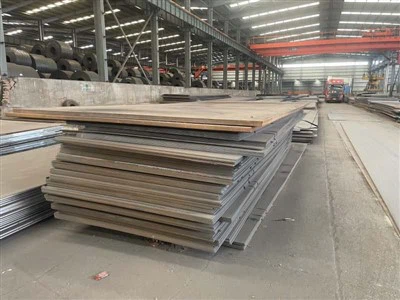
Alloy steel plates are widely used in various industries due to their excellent properties like high strength, good corrosion resistance, and superior heat resistance. As a supplier of alloy steel plates, I know firsthand how crucial proper storage is to maintain the quality of these products. In this blog, I'll share some important storage requirements for alloy steel plates.
Location and Environment
First off, the location where you store alloy steel plates matters a great deal. You want to pick a place that's dry and well - ventilated. Moisture is the enemy of alloy steel plates as it can lead to rusting. Rust not only makes the plates look bad but also weakens their structural integrity.
A warehouse is usually a good option. It provides protection from the elements. Make sure the warehouse floor is level and strong enough to support the weight of the steel plates. Uneven floors can cause the plates to warp over time. Also, try to keep the storage area away from chemicals or substances that could react with the steel. For example, acids or alkalis can corrode the surface of the alloy steel plates.
If you're storing the plates outdoors, you need to take extra precautions. Use waterproof covers to shield them from rain and snow. But even with covers, outdoor storage should be a last resort because the steel is still exposed to humidity and other environmental factors.
Stacking and Support
How you stack the alloy steel plates is also key. You should stack them in an orderly manner. Place the plates flat on top of each other, and make sure they're aligned properly. This helps distribute the weight evenly and prevents the plates from bending or getting damaged.
When stacking, use spacers between the plates. These spacers can be made of wood or plastic. They create a gap between the plates, allowing air to circulate and reducing the risk of moisture buildup. The thickness of the spacers depends on the size and weight of the plates, but generally, a few centimeters is a good start.
You also need to provide adequate support for the stacks. Use sturdy pallets or racks to hold the plates. The pallets should be in good condition, without any broken or weak spots. If you're using racks, make sure they're designed to handle the weight of the alloy steel plates. Overloading the racks can lead to collapse, which is extremely dangerous and can cause significant damage to the plates.
Protection from Physical Damage
Alloy steel plates can be easily damaged by physical impacts. So, you need to take steps to protect them. Avoid dropping or hitting the plates during handling. When moving the plates, use proper lifting equipment like cranes or forklifts. Make sure the equipment is in good working condition and that the operators are well - trained.
Mark the storage area clearly to prevent accidental collisions. Place barriers or warning signs around the stacks to keep unauthorized personnel away. Also, be careful when loading and unloading the plates from trucks or other transportation vehicles. Any rough handling can cause scratches, dents, or cracks on the surface of the plates, which can affect their performance.
Temperature Control
Although alloy steel plates are generally more resistant to temperature changes compared to some other materials, extreme temperatures can still have an impact. High temperatures can cause the steel to expand, and rapid cooling can lead to internal stresses and cracking.
In a warehouse, try to maintain a relatively stable temperature. Avoid storing the plates near heat sources like furnaces or heaters. If the storage area gets too hot, you might need to install ventilation systems or air - conditioning to keep the temperature in check.


On the other hand, extremely cold temperatures can make the steel more brittle. In cold climates, you may need to insulate the storage area or use heating systems to prevent the plates from becoming too cold.
Inspection and Monitoring
Regular inspection and monitoring of the stored alloy steel plates are essential. Check the plates for signs of rust, corrosion, or physical damage on a regular basis. Look for any changes in the surface finish, such as discoloration or pitting.
Keep records of the inspections. Note down any issues you find and take appropriate action immediately. For example, if you notice a small area of rust, you can clean it and apply a protective coating to prevent further corrosion.
You should also monitor the environmental conditions in the storage area. Use hygrometers to measure the humidity and thermometers to measure the temperature. Keep these readings on file so you can track any changes over time.
Specific Considerations for Different Alloys
Different types of alloy steel plates may have specific storage requirements. For example, some alloys are more prone to corrosion than others. If you're dealing with a highly corrosion - susceptible alloy, you may need to take extra steps like applying a special anti - corrosion coating before storage.
4J36 - Invar Alloy Large Inventory is a type of alloy that has unique properties. It has a very low coefficient of thermal expansion, which makes it ideal for applications where dimensional stability is crucial. When storing this alloy, you need to pay extra attention to temperature control to maintain its performance.
H - Beam Steel is another common type of alloy steel product. Due to its shape, it may require special stacking methods to ensure stability. Make sure the H - beams are stacked in a way that their flanges are properly supported to prevent distortion.
HARDOX Wear - resistant 500 is known for its high wear resistance. However, it can still be damaged by improper storage. Protect it from abrasive materials and ensure that it's stored in a clean environment to maintain its wear - resistant properties.
Conclusion
Proper storage of alloy steel plates is vital to maintain their quality and performance. By following the storage requirements I've outlined above, you can ensure that your alloy steel plates remain in good condition until they're ready to be used.
If you're in the market for high - quality alloy steel plates, I'd love to have a chat with you. Whether you have questions about storage, or you're ready to place an order, don't hesitate to reach out for a procurement discussion.
References
- "Steel Storage Guidelines", Steel Manufacturers Association
- "Alloy Steel Handbook", American Iron and Steel Institute