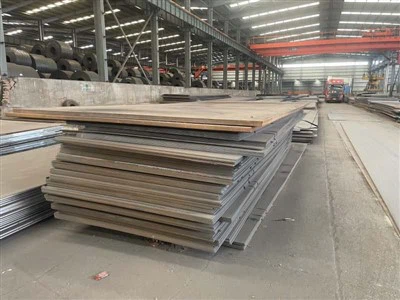
Hey there! As a stainless steel supplier, I often get asked about the tensile strength of stainless steel. It's a crucial property that can make or break a project, so I'm here to break it down for you in plain English.
What is Tensile Strength?
First things first, let's talk about what tensile strength actually means. Tensile strength is the maximum amount of stress a material can withstand while being pulled or stretched before it breaks. In simpler terms, it's how much force you can apply to a piece of stainless steel before it snaps.
Think of it like a tug - of - war. If you and your friends are pulling on a rope, the rope's tensile strength determines how hard you can pull before it gives way. For stainless steel, this property is super important in applications where the material is under tension, like bridges, cables, and even some machinery parts.
Factors Affecting the Tensile Strength of Stainless Steel
There are several factors that can affect the tensile strength of stainless steel.
Alloy Composition
The type and amount of elements added to the base iron - chromium alloy play a huge role. For example, adding nickel can increase the toughness and ductility of stainless steel, which in turn can affect its tensile strength. Different grades of stainless steel have different alloy compositions, and this is why their tensile strengths can vary widely. Take the ASTM A276 AISI 321H Stainless Steel Round Bar. The specific alloying elements in this grade give it unique mechanical properties, including a certain level of tensile strength that makes it suitable for high - temperature applications.
Heat Treatment
Heat treatment is another key factor. Processes like annealing, quenching, and tempering can alter the microstructure of stainless steel, which directly impacts its tensile strength. Annealing, for instance, is a heat treatment that softens the material, reducing its strength but increasing its ductility. On the other hand, quenching can make the stainless steel harder and stronger by rapidly cooling it.
Cold Working
Cold working involves deforming the stainless steel at room temperature, like rolling or bending. This process can increase the tensile strength of the material. When you cold - work stainless steel, you're essentially rearranging its crystal structure, which makes it more resistant to deformation and increases its strength. However, too much cold working can also make the material brittle.
Tensile Strength of Common Stainless Steel Grades
Let's take a look at the tensile strength of some common stainless steel grades that we often supply.

Austenitic Stainless Steels
Austenitic stainless steels, like the popular 304 and 316 grades, are known for their good corrosion resistance and relatively high tensile strength. They typically have a tensile strength in the range of 500 - 700 MPa (megapascals). The ALLOY 200 STAINLESS STEEL falls into this category. It has excellent formability and weldability, along with a decent tensile strength that makes it suitable for a wide range of applications, from kitchenware to chemical processing equipment.
Ferritic Stainless Steels
Ferritic stainless steels usually have a lower tensile strength compared to austenitic grades. They generally range from 400 - 600 MPa. These steels are often used in applications where cost - effectiveness and good corrosion resistance are important, like automotive exhaust systems.
Martensitic Stainless Steels
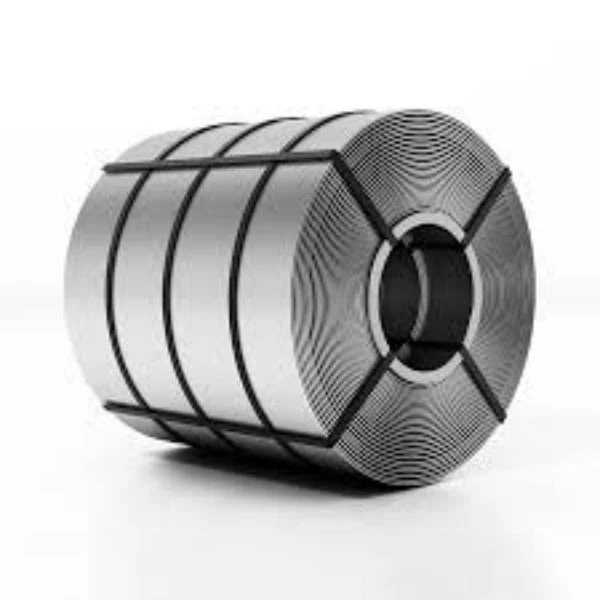
Martensitic stainless steels can have very high tensile strengths, sometimes exceeding 1000 MPa. This is because of their hard and strong microstructure, which is achieved through heat treatment. However, they are less corrosion - resistant compared to austenitic and ferritic grades. The 410S Stainless Steel Coil is a martensitic grade. It's often used in applications where strength and moderate corrosion resistance are required, such as cutlery and some machinery parts.
Why Tensile Strength Matters in Your Projects
Understanding the tensile strength of stainless steel is crucial for choosing the right material for your project.
If you're building a structure that will be under a lot of stress, like a suspension bridge, you'll need a stainless steel grade with a high tensile strength to ensure its safety and durability. On the other hand, if you're making a decorative item that doesn't need to withstand much force, you can choose a grade with a lower tensile strength, which might also be more cost - effective.
How We Can Help You with Tensile Strength Requirements
As a stainless steel supplier, we have a wide range of stainless steel products to meet your specific tensile strength needs. Our team of experts can help you select the right grade of stainless steel based on your project requirements. Whether you need a high - strength martensitic grade for a heavy - duty application or a more ductile austenitic grade for a precision - machining project, we've got you covered.
We also ensure that all our products meet the highest quality standards. We source our stainless steel from reliable manufacturers and conduct thorough quality checks to guarantee that the tensile strength and other mechanical properties are as specified.
Let's Talk
If you're in the market for stainless steel and have questions about tensile strength or any other properties, don't hesitate to reach out. We're here to help you make the best choice for your project. Whether you're a small - scale DIY enthusiast or a large - scale industrial client, we can provide you with the right stainless steel products and expert advice.
References
- ASM Handbook, Volume 1: Properties and Selection: Irons, Steels, and High - Performance Alloys
- Stainless Steel World Magazine articles on mechanical properties of stainless steel