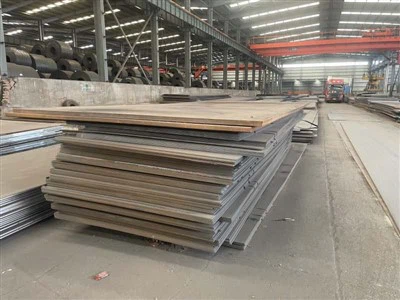
Galvanized steel, a type of steel that has been coated with a layer of zinc to prevent corrosion, has become an indispensable material in the electrical industry. As a leading supplier of galvanized steel, we have witnessed firsthand the diverse and critical applications of this material in various electrical systems and components. In this blog post, we will explore the multiple uses of galvanized steel in the electrical industry and highlight why it is the preferred choice for many electrical applications.
Protection Against Corrosion
One of the primary reasons galvanized steel is widely used in the electrical industry is its excellent corrosion resistance. Electrical equipment and infrastructure are often exposed to harsh environmental conditions, including moisture, humidity, and chemicals. Over time, these elements can cause corrosion, which can lead to equipment failure, safety hazards, and costly repairs. Galvanized steel provides a protective barrier that prevents the underlying steel from coming into contact with corrosive agents, significantly extending the lifespan of electrical components.
For example, in outdoor electrical substations, galvanized steel is used for the construction of support structures, such as poles and towers. These structures are constantly exposed to the elements, and the zinc coating on the galvanized steel helps to prevent rust and corrosion, ensuring the structural integrity of the substation. Similarly, in underground electrical cable trays, galvanized steel is used to protect the cables from moisture and soil corrosion, reducing the risk of electrical failures.
Electrical Conductivity
While galvanized steel is primarily known for its corrosion resistance, it also has good electrical conductivity. This property makes it suitable for use in electrical grounding systems. Grounding is an essential safety measure in electrical systems, as it provides a path for electrical current to flow safely into the ground in the event of a fault. Galvanized steel grounding rods and conductors are commonly used in residential, commercial, and industrial electrical installations to ensure the proper functioning of the grounding system.
In addition to grounding, galvanized steel is also used in electrical enclosures and cabinets. These enclosures house electrical components and protect them from environmental factors and physical damage. The electrical conductivity of galvanized steel allows for the proper dissipation of static electricity, reducing the risk of electrostatic discharge (ESD) that can damage sensitive electronic components.


Structural Support
Galvanized steel is a strong and durable material that provides excellent structural support for electrical equipment and infrastructure. In the electrical industry, it is used to construct a variety of structures, including switchgear cabinets, control panels, and cable management systems. These structures need to be able to withstand the weight of the electrical components they house and provide a stable platform for their operation.
For instance, switchgear cabinets are used to control, protect, and isolate electrical circuits in power distribution systems. Galvanized steel is used to construct the frames and enclosures of these cabinets, providing the necessary strength and rigidity to support the internal components. Similarly, cable management systems, such as cable trays and conduits, are made from galvanized steel to ensure the proper organization and protection of electrical cables.
Aesthetic Appeal
In addition to its functional properties, galvanized steel also offers aesthetic appeal. The smooth, shiny surface of galvanized steel gives it a modern and professional look, making it suitable for use in applications where appearance is important. In the electrical industry, galvanized steel is often used in visible electrical components, such as lighting fixtures and electrical panels, to enhance the overall appearance of the installation.
Specific Applications in the Electrical Industry
- Transformers: Galvanized steel is used in the construction of transformer enclosures to protect the internal components from environmental factors and provide structural support. The corrosion resistance of galvanized steel ensures the long-term reliability of the transformer.
- Power Generation: In power plants, galvanized steel is used for various applications, including the construction of cooling towers, flue gas desulfurization systems, and electrical control panels. The durability and corrosion resistance of galvanized steel make it an ideal material for these harsh environments.
- Renewable Energy: Galvanized steel is also used in the renewable energy sector, such as in the construction of wind turbines and solar panel mounting structures. The ability of galvanized steel to withstand harsh weather conditions and resist corrosion makes it a popular choice for these applications.
Our Galvanized Steel Products
As a trusted supplier of galvanized steel, we offer a wide range of products to meet the diverse needs of the electrical industry. Our Galvanized Steel Coils are available in various thicknesses and widths, providing flexibility for different applications. We also offer Ppgi Steel Coils, which are pre-painted galvanized steel coils that offer additional protection and aesthetic appeal. In addition, our A36 BIS Galvanized Steel Coils Sheet is a high-quality product that meets international standards and is suitable for a variety of electrical applications.
Contact Us for Your Galvanized Steel Needs
If you are in the electrical industry and are looking for high-quality galvanized steel products, we invite you to contact us. Our team of experts is ready to assist you in selecting the right products for your specific requirements. Whether you need galvanized steel for a small electrical project or a large-scale industrial installation, we have the products and expertise to meet your needs.
References
- "Galvanized Steel: Properties, Applications, and Advantages." Steel Construction Institute.
- "Electrical Grounding Systems: Design and Installation." National Electrical Code.
- "Corrosion Protection in the Electrical Industry." Corrosion Engineering Handbook.