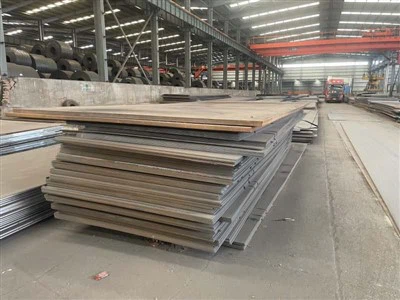
What is the Charpy impact energy of Bridge Steel Plate?
As a supplier of bridge steel plates, I often encounter inquiries about various technical parameters of our products. One of the most frequently asked questions is about the Charpy impact energy of bridge steel plates. In this blog post, I will delve into what Charpy impact energy is, its significance for bridge steel plates, and how it affects the performance of bridges.
Understanding Charpy Impact Energy
The Charpy impact test is a standardized method to measure the amount of energy absorbed by a material during fracture. It involves striking a notched specimen with a pendulum hammer and measuring the energy required to break the specimen. The energy absorbed during the fracture is known as the Charpy impact energy, which is expressed in joules (J).
The test is carried out at different temperatures to evaluate the material's toughness under various environmental conditions. For bridge steel plates, the Charpy impact energy is typically measured at low temperatures, such as -20°C or -40°C, because bridges are often exposed to harsh weather conditions, including cold temperatures.
Significance of Charpy Impact Energy for Bridge Steel Plates
The Charpy impact energy is a crucial property for bridge steel plates for several reasons. Firstly, it reflects the material's ability to resist brittle fracture. Bridges are subjected to dynamic loads, such as traffic vibrations and wind forces. If the steel plate has low Charpy impact energy, it may be prone to brittle fracture under these dynamic loads, especially at low temperatures. This can lead to catastrophic failures of the bridge, endangering the safety of the public.
Secondly, the Charpy impact energy is an indicator of the material's ductility. Ductility is the ability of a material to deform plastically before fracture. A steel plate with high Charpy impact energy is more ductile, which means it can absorb more energy before breaking. This is important for bridges because it allows the structure to withstand unexpected loads and deformations without sudden failure.
Factors Affecting Charpy Impact Energy
Several factors can affect the Charpy impact energy of bridge steel plates. One of the most important factors is the chemical composition of the steel. Alloying elements, such as manganese, nickel, and chromium, can improve the toughness of the steel and increase its Charpy impact energy. For example, Q420qD High Strength Low Alloy Steel and Q345qD High Strength Low Alloy Steel are commonly used in bridge construction because they contain alloying elements that enhance their toughness.
The manufacturing process also plays a significant role in determining the Charpy impact energy. Heat treatment, such as quenching and tempering, can refine the grain structure of the steel and improve its toughness. Additionally, the rolling process can affect the texture and microstructure of the steel, which in turn influences its Charpy impact energy.
The thickness of the steel plate is another factor that can affect the Charpy impact energy. Generally, thicker steel plates have lower Charpy impact energy than thinner plates. This is because thicker plates are more likely to have internal defects and inhomogeneities, which can reduce the material's toughness.
Testing and Standards
To ensure the quality and performance of bridge steel plates, the Charpy impact energy is tested according to international standards, such as ASTM E23 and ISO 148. These standards specify the test method, specimen dimensions, and acceptance criteria for the Charpy impact test.
For bridge steel plates, the minimum Charpy impact energy requirements are typically specified in the design codes and standards. For example, in China, the GB/T 714-2015 standard specifies the minimum Charpy impact energy for different grades of bridge steel plates at different test temperatures.
Our Products and Charpy Impact Energy
As a bridge steel plate supplier, we are committed to providing high-quality products that meet or exceed the industry standards. Our Q420qD High Strength Low Alloy Steel and Q345qD High Strength Low Alloy Steel have excellent Charpy impact energy at low temperatures, ensuring their reliability and safety in bridge construction.
We use advanced manufacturing processes and strict quality control measures to ensure the consistency and stability of the Charpy impact energy of our products. Our steel plates are tested in our in-house laboratory to ensure that they meet the specified requirements.
Conclusion
In conclusion, the Charpy impact energy is a critical property for bridge steel plates. It reflects the material's ability to resist brittle fracture and its ductility, which are essential for the safety and performance of bridges. As a bridge steel plate supplier, we understand the importance of Charpy impact energy and are committed to providing high-quality products that meet the industry standards.
If you are interested in purchasing bridge steel plates or have any questions about the Charpy impact energy or other technical parameters, please feel free to contact us. We look forward to discussing your requirements and providing you with the best solutions for your bridge construction projects.

References
- ASTM E23 - Standard Test Methods for Notched Bar Impact Testing of Metallic Materials
- ISO 148 - Metallic materials - Charpy pendulum impact test
- GB/T 714-2015 - Structural steel for bridges