Yo, what's up! I'm a supplier of stainless steel, and today I wanna chat about the cold resistance of stainless steel. It's a topic that's super important, especially for folks who use stainless steel in cold environments.
First off, let's get into what cold resistance really means for stainless steel. When we talk about cold resistance, we're mainly looking at how well stainless steel can maintain its mechanical properties and resist damage like cracking or brittleness in low - temperature conditions.
Stainless steel is an alloy, which means it's made up of different elements like iron, chromium, nickel, and sometimes others. These elements play a huge role in determining its cold - resistance capabilities. For example, chromium is what gives stainless steel its corrosion - resistant properties. In cold environments, corrosion can be even more of a problem because moisture can freeze and expand, causing damage to the metal. The chromium in stainless steel forms a thin oxide layer on the surface, which acts as a protective barrier against corrosion, even in the cold.
Nickel is another key element. It helps to improve the toughness of stainless steel at low temperatures. When the temperature drops, some metals can become brittle and break easily. But nickel in stainless steel helps to keep it ductile, so it can bend and stretch a bit without cracking.


Now, let's take a look at some specific types of stainless steel and their cold - resistance.
Stainless Steel 310S Pattern Plate
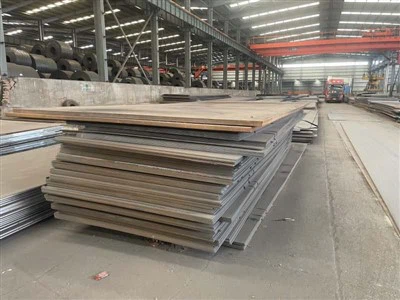
One of the stainless steels we offer is the Stainless Steel 310S Pattern Plate. This type of stainless steel has a high chromium and nickel content. The high chromium content makes it extremely resistant to oxidation, even at high and low temperatures. The nickel gives it good ductility and toughness, so it can handle cold environments pretty well. It's often used in applications where there's a need for both corrosion resistance and the ability to withstand cold, like in some industrial freezers or cold storage facilities.
309s Stainless Steel Coil
The 309s Stainless Steel Coil is also a great option for cold - resistant applications. It has a similar composition to 310S but with slightly different proportions of elements. It has a good balance of chromium and nickel, which gives it excellent resistance to oxidation and corrosion in cold conditions. This coil is often used in welding applications in cold areas. Welded joints can be a weak point in a structure, but the 309s stainless steel coil helps to ensure that the joints remain strong and corrosion - free even when it's cold outside.
302 Stainless Steel Coil
The 302 Stainless Steel Coil is a bit different. It has a lower nickel content compared to 310S and 309s. While it still has good corrosion resistance, its cold - resistance is not as high as the other two. But it's still a decent choice for less extreme cold environments. It's commonly used in general - purpose applications where the temperature doesn't drop too drastically, like in some indoor equipment that might be exposed to slightly cooler air.
When choosing a stainless steel for a cold - environment application, there are a few things you need to consider.
The first is the minimum temperature the stainless steel will be exposed to. If you're dealing with extremely cold temperatures, like in a cryogenic application, you'll need a stainless steel with a high nickel content to ensure it remains tough and doesn't become brittle.
The second thing is the presence of any corrosive substances. In cold environments, moisture can condense on the surface of the stainless steel. If there are also chemicals or salts present, corrosion can be a big problem. So, you'll want a stainless steel with a high chromium content to protect against corrosion.
Another factor is the mechanical stress the stainless steel will experience. If it's going to be bent, stretched, or have a lot of weight put on it in the cold, you need a stainless steel that can maintain its strength and ductility.
We've had some customers who were building a cold storage facility. They initially thought they could use a lower - grade stainless steel to save some money. But after consulting with us, we explained the importance of cold resistance. They ended up choosing the Stainless Steel 310S Pattern Plate. A few years later, they came back to thank us because the stainless steel had held up great in the cold environment, with no signs of corrosion or cracking.
In conclusion, the cold resistance of stainless steel depends on its composition, especially the amounts of chromium and nickel. Different types of stainless steel have different levels of cold resistance, and it's crucial to choose the right one for your specific application.
If you're in the market for stainless steel for a cold - environment project, don't hesitate to reach out. We've got a wide range of stainless steel products, and our team can help you pick the best one for your needs. Whether it's for a small - scale DIY project or a large industrial application, we're here to assist. Just drop us a message, and let's start the conversation about getting the right stainless steel for your cold - environment requirements.
References
- ASM Handbook Volume 13A: Corrosion: Fundamentals, Testing, and Protection
- Stainless Steel World magazine articles on low - temperature applications of stainless steel